
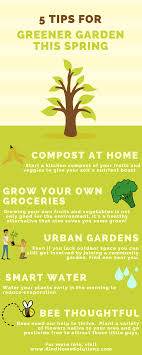
As you embark on your home garden journey, it’s essential to remember that there are no hard and fast rules. Your intuition, curiosity, and willingness to experiment will play a significant role in the success of your indoor garden. That being said, here are some practical tips and ideas to help you navigate the world of indoor gardening.
Choosing the Right Location
When selecting a location for your home garden, it’s crucial to avoid placing any plants near a heat source. This includes both heating systems like radiators or air conditioners in the summer months. If you’re planning to use dehumidifiers, be prepared to balance out the dryness with increased watering.
Consider the following factors when choosing a location for your indoor garden:
- Avoid direct sunlight: While plants need light to grow, direct sunlight can cause burning and scorching of leaves.
- Keep it away from drafts: Moving air can cause temperature fluctuations, which can stress your plants.
- Optimize humidity levels: Indoor gardens thrive in humid environments, but over-humidification can lead to root rot.
Ideal Placement
Placing your indoor garden near a window is an excellent idea. The combination of light and water are essential for plant growth. However, if there’s a radiator nearby, it’s always best to keep your plants away from direct sunlight.
Consider the following tips when placing your indoor garden:
- East- or west-facing windows receive gentle, indirect light that’s ideal for most plants.
- South-facing windows can be too intense, so consider using sheer curtains to filter the light.
- North-facing windows are best suited for low-light plants like Chinese Evergreen or Pothos.
Using a Cart or Trolley
A cart or trolley is an excellent investment for any indoor gardener. These versatile pieces of equipment can be moved around the house with ease, allowing you to easily transfer your plants from one location to another.
Consider the following benefits when using a cart or trolley:
- Convenience: Move your plants from one room to another without having to lift or carry them.
- Organization: Use storage bins and baskets on the cart to keep your gardening supplies organized.
- Space-saving: Make the most of small spaces by using vertical shelves and hanging planters.
Winter Considerations
During the winter months, it’s essential to take extra precautions when placing your plants near windows. The sudden change in temperature can cause shock, leading to dropped leaves, yellowing, and browning of foliage.
Consider the following tips for protecting your indoor garden during winter:
- Use thermal curtains or shades: Block cold drafts and keep warm air from escaping.
- Monitor temperature fluctuations: Keep an eye on temperatures between 60°F and 70°F (15°C and 21°C) to prevent shocking your plants.
- Provide supplemental light: Use grow lights to supplement natural light, which can be limited during the winter months.
Spring into Action
As spring approaches, consider utilizing the space on your balcony or patio. With a little creativity, you can turn this area into a thriving indoor garden.
Consider the following tips for creating an indoor garden in your balcony or patio:
- Choose compact plants: Select varieties that are specifically designed for container gardens.
- Use vertical planters: Make the most of small spaces by using trellises and obelisks to train vines and climbers.
- Incorporate decorative elements: Add a fountain, statue, or other decorative element to create a visually appealing space.
Growing Vegetables and Fruits on Your Balcony
To grow vegetables and fruits on your balcony, you’ll need to choose varieties that are specifically designed for container gardens. Some popular options include:
- Strawberries
- Basil
- Carrots
- Parsley
- Lettuce
- Onions
- Radishes
- Sage
- Peppers
- Pimientos
- Tomatoes
For more information on growing vegetables and fruits in containers, check out our comprehensive guide.
Getting Started with Your Home Garden
Starting your home garden is easier than you think! Here are the basic steps to follow:
- Choose a location for your indoor garden that receives plenty of natural light.
- Select a variety of plants that thrive in indoor conditions and suit your climate.
- Use a cart or trolley to transport your plants around the house.
- Recruit at your local nursery and purchase potted plants to get started.
Tips for Choosing the Right Plants
When selecting plants for your home garden, consider factors such as:
- Climate: Choose plants that are suitable for indoor conditions in your area.
- Lighting: Select plants that can tolerate low light levels or require plenty of direct sunlight.
- Watering: Pick plants that have similar watering needs to ensure they receive the right amount of moisture.
Consider the following plant families when selecting for your home garden:
- Herbs (basil, mint, rosemary)
- Leafy greens (lettuce, kale, spinach)
- Flowers (orchids, geraniums, begonias)
- Fruits and vegetables (strawberries, tomatoes, peppers)
Conclusion
Starting an indoor garden can seem daunting, but with the right guidance and a little creativity, you’ll be growing your own delicious fruits and vegetables in no time! Remember to choose the right location, use a cart or trolley, and select plants that thrive in indoor conditions. Happy gardening!
Frequently Asked Questions
Q: What is the best way to care for my indoor garden?
A: The key to caring for your indoor garden is to provide the right amount of light, water, and nutrients.
Q: Can I grow vegetables and fruits on my balcony year-round?
A: While it’s possible to grow some vegetables and fruits on your balcony year-round, others may require protection from extreme temperatures or frost.
Q: How often should I water my indoor plants?
A: The frequency of watering depends on the specific plant species, climate, and humidity levels in your home. As a general rule, check the soil moisture by sticking your finger into the soil up to the first knuckle.
Q: Can I grow tomatoes indoors?
A: Yes, you can grow tomatoes indoors using specialized containers or hydroponic systems. However, be prepared for reduced yields compared to outdoor-grown tomatoes.
Q: What is the best way to fertilize my indoor plants?
A: A balanced fertilizer that contains nitrogen, phosphorus, and potassium is an excellent choice for indoor plants. You can also consider using organic fertilizers like compost or fish emulsion.
Q: Can I propagate new plants from cuttings or divisions?
A: Yes, many plant species can be propagated through cuttings or divisions. Research the specific propagation methods for your plant species to ensure success.
Q: How do I prevent pests and diseases in my indoor garden?
A: Regularly inspect your plants for signs of pests or disease, and take prompt action if you notice any issues. Use organic pest control methods whenever possible to maintain a healthy ecosystem.
Q: Can I grow succulents indoors?
A: Yes, many succulent species can thrive indoors with proper care and attention. Succulents are ideal for indoor gardens due to their low-maintenance requirements and ability to tolerate neglect.


