
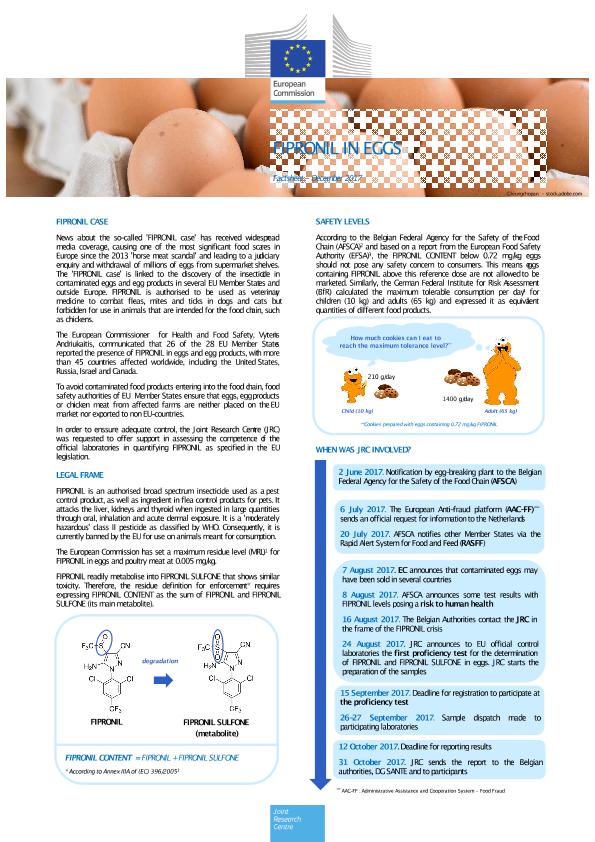
The fipronil scandal has been making headlines, with reports of the pesticide contaminating eggs in several European countries, including Italy. But what exactly is fipronil, and how did it end up in our eggs?
What is Fipronil and How Did it Get into Eggs?
Fipronil is a type of insecticide and antiparasitic used in animal feed to control flea and tick infestations in livestock. It’s been banned in some countries due to concerns over its impact on human health.
Fipronil: A Pesticide Used in Animal Feed
Fipronil is a synthetic chemical that belongs to the phenylpyrazole class of pesticides. It was first introduced in the 1980s and has since become widely used in animal feed to control external parasites such as ticks, fleas, and lice. Fipronil works by interfering with the insect’s nervous system, ultimately leading to death.
The Scandal Unfolds
In 2015, fipronil was detected in eggs produced in the Netherlands and Belgium. Initially thought to be a problem only in those countries, further testing revealed that the issue had spread to other European nations.
How Did Fipronil Get into Eggs?
Fipronil is often used as an additive in animal feed to control pests. However, when these animals are slaughtered and their carcasses are not properly cleaned and processed, residues of the pesticide can remain on the hide or in the meat.
For example, fipronil can be present on the skin of chickens, which can then transfer it to the eggs during processing. Additionally, if the chicken feed contains fipronil, it’s possible for the pesticide to accumulate in the animal’s body and end up in the eggs.
What Does Fipronil Do to Human Health?
Research has shown that fipronil can have negative effects on human health, including damage to the liver, kidneys, and thyroid gland. While acute exposure is unlikely to cause significant harm, long-term consumption of contaminated eggs could lead to more serious issues.
Studies have also suggested that fipronil may be linked to an increased risk of certain cancers, such as leukemia and lymphoma. However, more research is needed to fully understand the potential health risks associated with fipronil exposure.
The Impact on Italian Eggs
In Italy, the fipronil scandal has led to a decline in egg production, with some producers reporting losses of up to 10% due to the contamination issue. The Italian government has taken steps to address the problem, including introducing stricter regulations on animal feed and implementing more rigorous testing protocols for eggs.
What Can You Do to Protect Yourself?
While it’s impossible to completely eliminate the risk of fipronil contamination, there are steps you can take to reduce your exposure:
- Buy eggs from trusted sources: Opt for eggs from reputable producers that use safe and approved feed.
- Cook eggs thoroughly: Cooking eggs until the yolks are hard will help kill any bacteria or pesticides that may be present.
- Consider alternative egg options: If you’re concerned about fipronil contamination, consider buying eggs from farms that use organic or free-range methods.
Frequently Asked Questions
- Q: What is the recommended limit for fipronil in food?
A: The European Food Safety Authority (EFSA) has set a maximum limit of 0.72 mg/kg for fipronil in animal feed. - Q: How much fipronil is safe to consume per day?
A: While there’s no established safe daily intake level, eating large quantities of contaminated eggs could potentially lead to health issues. - Q: Can I still buy organic or free-range eggs if they may contain fipronil?
A: Yes, these types of eggs are less likely to be contaminated with fipronil due to their production methods.
By taking steps to reduce your exposure and being mindful of the risks associated with fipronil, you can enjoy safe and healthy eggs.


