
In today’s environmentally conscious world, efficient energy management is crucial for reducing carbon emissions and minimizing environmental impact. One solution that has emerged as a game-changer in this context is the Energy Management System (EMS). This article aims to provide an overview of what EMS means, how it works, its benefits, and its applications.
What Does EMS Mean?
The term “Energy Management System” refers to a sophisticated suite of tools, policies, and procedures designed to optimize energy consumption in various contexts, including industries, commercial sectors, and residential areas. This system enables organizations to monitor, control, and optimize their energy usage, leading to improved efficiency, reduced costs, and enhanced sustainability.
History of EMS
The concept of Energy Management Systems has been around for decades. The first EMS was developed in the 1960s by the U.S. Department of Energy, with the primary goal of reducing energy consumption in commercial buildings. Over the years, EMS technology has evolved significantly, incorporating advanced monitoring tools, data analytics, and machine learning algorithms.
How Does an EMS Work?
An EMS operates as a watchful eye on an organization’s energy consumption, providing a detailed overview of its energy usage patterns in real-time. Through advanced monitoring tools, the system identifies areas of inefficiency and waste, enabling organizations to take targeted actions to improve their environmental and economic performance.
Here are the key components of an EMS:
- Monitoring: The first stage involves collecting data on energy consumption through sensors installed at critical points within the organization’s infrastructure.
- Data Analysis: Once collected, the data is analyzed using specialized software to identify patterns, trends, and potential areas for improvement.
- Visualization: The insights gained are presented in a clear and accessible format through dashboards or reports, allowing decision-makers to take informed action on energy management.
- Optimization: Based on the analysis and visualization provided, the EMS proposes strategies and measures to optimize energy consumption, reducing waste while improving overall efficiency.
Benefits of an Energy Management System
The benefits of implementing an EMS are numerous and far-reaching. Some of these advantages include:
- Improved Efficiency: By monitoring and optimizing energy consumption, organizations can significantly reduce their energy waste and improve overall efficiency.
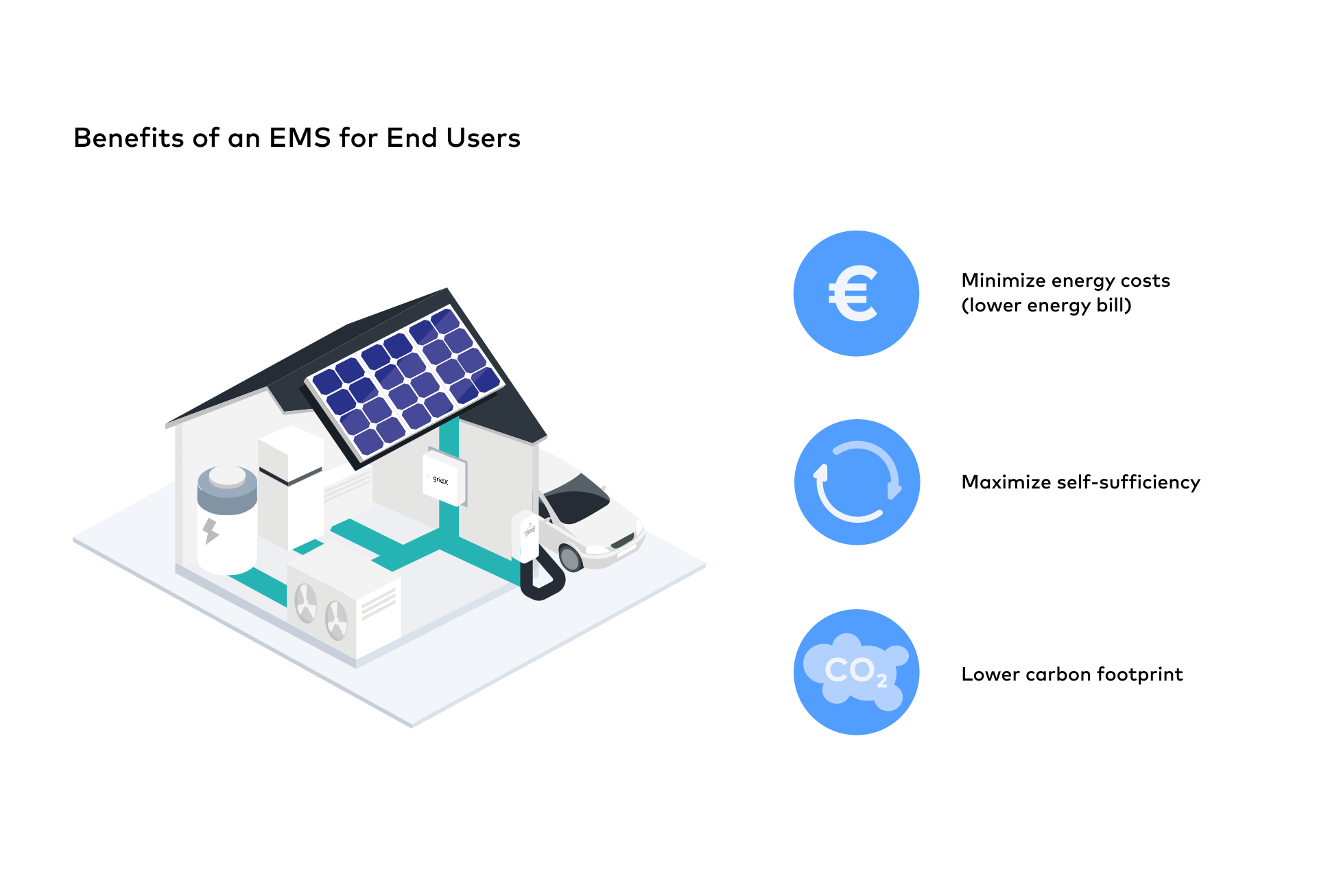
- Reduced Costs: EMS helps organizations minimize energy bills by reducing wasteful energy usage and increasing the use of renewable energy sources.
- Enhanced Sustainability: By promoting sustainable practices and reducing carbon emissions, EMS supports environmental sustainability and contributes to a cleaner planet.
Applications of an Energy Management System
EMS has far-reaching applications across various sectors. Some of these include:
- Industrial Settings: EMS is particularly useful in industrial settings where energy consumption is high and can be optimized through efficient processes and equipment.
- Commercial Sectors: Commercial organizations can benefit from EMS by reducing their energy bills and enhancing their sustainability record.
- Residential Areas: EMS can also be applied in residential areas, helping homeowners reduce their energy consumption and lower their utility bills.
EMS Components
An EMS typically consists of several key components, including:
- Energy Meters: These devices measure the amount of energy consumed by an organization or building.
- Data Acquisition Systems: These systems collect data from various sources, such as energy meters, lighting controls, and HVAC systems.
- Data Analysis Software: This software analyzes the collected data to identify patterns and trends.
- Visualization Tools: These tools present the insights gained in a clear and accessible format through dashboards or reports.
- Control Systems: These systems allow organizations to take targeted actions to optimize energy consumption.
Implementation Process
Implementing an EMS involves several stages, including:
- Assessment: This stage involves assessing the organization’s current energy usage patterns and identifying areas for improvement.
- Design: The design stage involves creating a tailored EMS solution that meets the organization’s specific needs.
- Installation: In this stage, the EMS system is installed and connected to various sources of data.
- Testing: Once installed, the EMS system is tested to ensure it is functioning correctly.
Challenges Associated with EMS Implementation
Implementing an EMS can be challenging due to several reasons, including:
- Data Accuracy: Ensuring that energy usage data is accurate and reliable is crucial for effective EMS implementation.
- Technical Limitations: Technical limitations, such as connectivity issues or equipment malfunctions, can hinder EMS operation.
- User Engagement: User engagement is critical for successful EMS implementation, as decision-makers must be motivated to take action on energy management recommendations.
Conclusion
In conclusion, Energy Management Systems are an effective solution for organizations seeking to reduce their environmental impact while improving efficiency and reducing costs. By understanding how EMS works, its benefits, and applications, individuals can make informed decisions about implementing this technology in their own organization or community.
By providing a comprehensive guide to EMS, this article aims to equip readers with the knowledge needed to harness the potential of energy management systems in their respective contexts. Whether it’s reducing energy waste in industrial settings, enhancing sustainability in commercial sectors, or promoting sustainable practices in residential areas, EMS can play a vital role in achieving environmental and economic goals.
Frequently Asked Questions
Here are some frequently asked questions related to Energy Management Systems:
-
What is the primary function of an EMS?
EMS is designed to monitor, control, and optimize energy consumption within organizations.
2. How does EMS work in practice?The system works by collecting data on energy usage through sensors, analyzing this data using specialized software, and presenting insights through visualization tools.
3. What are the benefits of implementing an EMS?EMS offers numerous benefits, including improved efficiency, reduced costs, and enhanced sustainability.
4. Can EMS be applied in residential areas?Yes, EMS can be applied in residential areas to help homeowners reduce their energy consumption and lower their utility bills.
5. How does EMS impact environmental sustainability?By promoting sustainable practices and reducing carbon emissions, EMS supports environmental sustainability and contributes to a cleaner planet.
-
What are the challenges associated with implementing an EMS?
Some of the common challenges include ensuring data accuracy, addressing technical limitations, and maintaining user engagement.
7. Can EMS help organizations comply with energy-related regulations?Yes, EMS can aid organizations in complying with energy-related regulations by providing real-time monitoring and analysis.
8. How does EMS impact organizational operations?By optimizing energy consumption, EMS can lead to improved operational efficiency, reduced downtime, and enhanced productivity.
Glossary
- Energy Management System (EMS): A sophisticated suite of tools, policies, and procedures designed to optimize energy consumption in various contexts.
- Data Acquisition Systems: Devices that collect data from various sources, such as energy meters, lighting controls, and HVAC systems.
- Visualization Tools: Software or platforms that present insights gained from data analysis in a clear and accessible format through dashboards or reports.
- Control Systems: Software or hardware components that allow organizations to take targeted actions to optimize energy consumption.


