
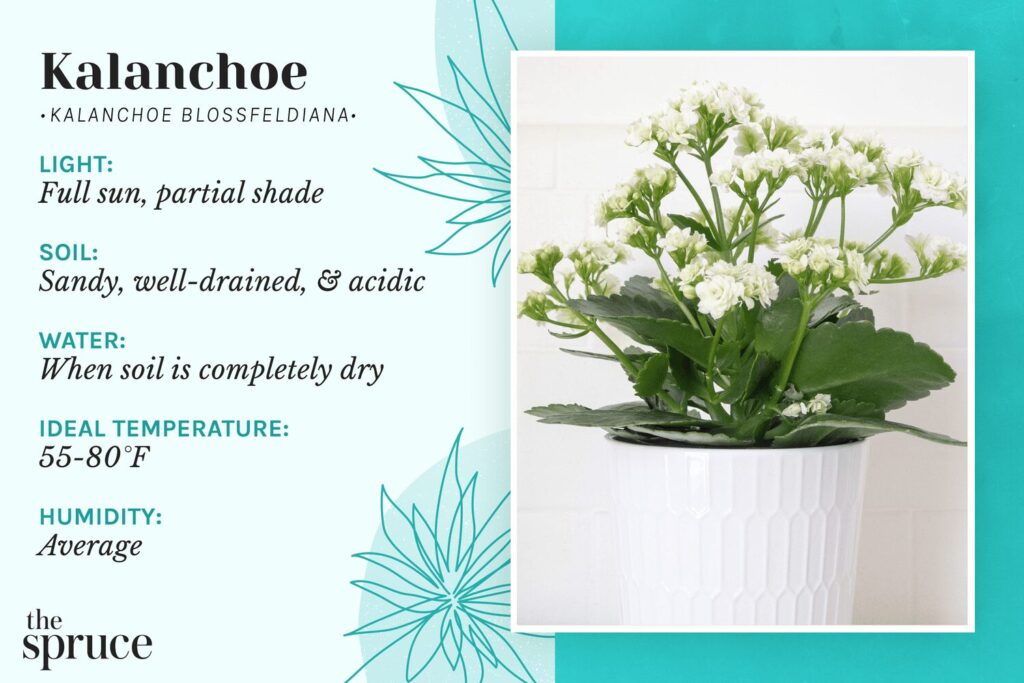
Kalanchoe, a succulent that has been captivating gardeners and flower enthusiasts for over a century, is more than just a visually stunning plant. With its vibrant flowers, succulent leaves, and numerous health benefits, it’s no wonder this plant has become a popular choice for indoor and outdoor spaces. In this article, we’ll delve into the world of Kalanchoe, exploring its history, types, care requirements, and benefits, as well as discussing common issues and solutions.
A Brief History of Kalanchoe
Kalanchoe’s journey began in the early 20th century, when it was first introduced to the market. Since then, this succulent has become a staple in many gardens, with over 120 species discovered worldwide. Despite its widespread popularity, Kalanchoe remains an underappreciated plant, often overlooked in favor of more exotic species.
The name “Kalanchoe” is derived from the Greek word “kalos,” meaning beauty, and “anthos,” meaning flower. This aptly describes the plant’s stunning appearance, with vibrant flowers and succulent leaves that add visual interest to any space.
Types of Kalanchoe
Not all Kalanchoes are created equal. Two popular varieties include:
- Kalanchoe daigremontiana: Known for its ant-inflammatory properties and distinctive, brown-spotted leaves.
- Kalanchoe blossfeldiana: A compact variety with dentated leaves and vibrant, tubular flowers in shades of yellow, white, orange, and red.
Other types, such as Kalanchoe rosa, are less common but no less beautiful. With over 120 species to choose from, there’s a Kalanchoe out there for every gardener.
Caring for Your Kalanchoe
To keep your Kalanchoe thriving, follow these simple care tips:
- Place it in a sunny spot, with direct sunlight being the best option.
- Avoid temperatures below 10°C (50°F), as this can cause damage to the plant.
- Water sparingly, but thoroughly, allowing the soil to dry slightly between waterings.
- Fertilize regularly during the growing season to promote healthy growth.
Soil and Potting
Kalanchoe prefers well-draining soil that is rich in organic matter. A mix of compost, perlite, and vermiculite will provide your plant with the necessary nutrients and structure. When potting your Kalanchoe, choose a container that is slightly larger than the plant’s root system to prevent waterlogging.
Common Issues and Solutions
While Kalanchoe is generally a hardy plant, it’s not immune to common issues. Here are some solutions to get you back on track:
- Overwatering: Allow the soil to dry slightly between waterings to prevent root rot.
- Underwatering: Water thoroughly when the soil feels dry to the touch.
- Pests: Inspect your plant regularly for signs of infestation, and treat promptly if necessary.
Propagation
Kalanchoe can be propagated using a variety of methods. Here are some popular techniques:
- Division: Divide the plant into smaller sections, making sure each section has at least one growing point.
- Leaf Cuttings: Take leaf cuttings from your Kalanchoe and place them in a pot filled with moistened soil. Keep the soil warm and humid until roots develop.
Health Benefits
Kalanchoe is more than just a beautiful plant – it also offers numerous health benefits. Here are some of its most notable properties:
- Ant-inflammatory: Kalanchoe contains ant-inflammatory compounds that can help reduce swelling and pain.
- Antimicrobial: The plant’s antimicrobial properties make it effective against a range of bacteria, viruses, and fungi.
Conclusion
Kalanchoe is a stunning succulent that offers numerous benefits for both indoor and outdoor spaces. By understanding its history, types, care requirements, and common issues, you’ll be well on your way to becoming a Kalanchoe expert. So go ahead, give this beautiful plant the love and attention it deserves.
Frequently Asked Questions
- What is the best time to plant a Kalanchoe?
- The ideal time to plant a Kalanchoe is during the spring or summer months, when the weather is warm and sunny.
- How often should I water my Kalanchoe?
- Water your Kalanchoe sparingly, but thoroughly, allowing the soil to dry slightly between waterings.
- Can I grow Kalanchoe indoors?
- Yes, Kalanchoe can thrive in indoor conditions, provided it receives sufficient sunlight and is kept at a comfortable temperature.
- How do I propagate a Kalanchoe?
- You can propagate a Kalanchoe by dividing the plant or using leaf cuttings to create new plants.
- Are Kalanchoes toxic to pets?
- While Kalanchoes are generally non-toxic, it’s still possible for pets to experience gastrointestinal upset if they ingest large quantities of the plant.
Additional Tips and Tricks
- Prune your Kalanchoe regularly to maintain its shape and promote healthy growth.
- Repot your plant every few years to refresh the soil and provide a larger pot if necessary.
- Protect your Kalanchoe from extreme temperatures, such as frost or heatwaves.
By following these tips and tricks, you’ll be able to keep your Kalanchoe thriving for years to come.


