
Introduction to Sustainable Waste Management
As the world grapples with the challenges of climate change, sustainable waste management has become a pressing concern. One key aspect of this is adopting separate containers for different types of waste. In this article, we will explore the benefits of using separate containers and introduce some innovative solutions that make managing waste easier and more efficient.
Why Separate Containers are Essential
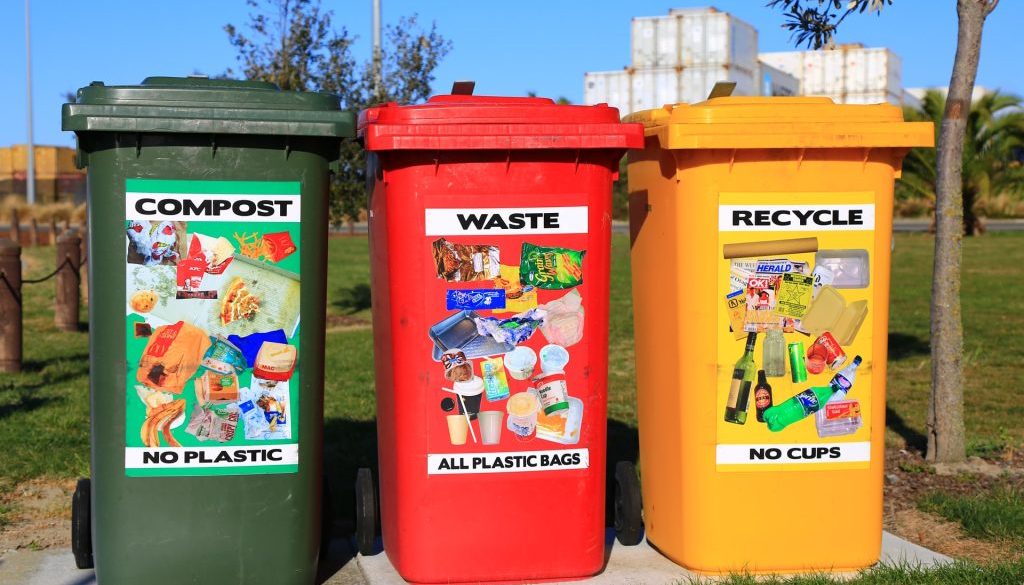
Separate containers are not just a nice-to-have, but a necessity for effective sustainable waste management. By segregating waste into different categories, such as organic, plastic, and non-recyclable materials, we can significantly reduce contamination rates and increase the amount of material that can be recycled.
The Challenges of Managing Waste
Managing waste is often a daunting task, especially for those with limited space or living in urban areas. This is where separate containers come into play, providing a solution to this common problem.
Innovative Container Designs
In recent years, we have seen the rise of innovative container designs that make sustainable waste management easier and more accessible. One such example is the “Ovetto” designed by Italian designer Gianluca Soldi. This unique container has multiple compartments for different types of waste, making it easy to separate materials.
Key Features of the Ovetto Container
The Ovetto container stands out due to its innovative design and eco-friendly features:
- Multi-compartmentalization: The container has three closed and separated sections for different types of waste: organic, plastic, and non-recyclable.
- High-quality materials: Made from 70% recycled plastic.
- Space-saving design: Compact and versatile, perfect for small spaces.
Other Creative Container Solutions
While the Ovetto container is an exemplary model, there are many other creative solutions available on the market. Some examples include:
- Vertical storage containers: Perfect for those with limited space, these containers can be mounted on walls or placed in corners.
- Set of semi-rigid containers: Ideal for organizing waste in a functional and space-efficient manner.
Benefits of Separate Containers
Separate containers offer numerous benefits, including:
- Increased recycling rates: By accurately separating waste, we can significantly increase the rate at which materials are recycled.
- Reduced contamination rates: Contamination is a major issue in waste management, but separate containers help minimize this problem.
- Improved hygiene: Separate containers keep different types of waste separate, reducing odors and pests.
Sustainable Waste Management Strategies
In addition to using separate containers, there are several other sustainable waste management strategies that can be employed. Some examples include:
- Composting: Composting organic waste reduces the amount of material sent to landfills.
- Recycling programs: Implementing recycling programs and increasing public awareness about what materials can be recycled can significantly reduce waste.
- Zero-waste initiatives: Zero-waste initiatives aim to eliminate waste altogether, instead encouraging reuse and recycling.
Challenges in Implementing Separate Containers
While separate containers offer numerous benefits, there are also several challenges to implementing this strategy. Some of the main challenges include:
- Cost: Separating waste into different categories can increase costs for individuals and businesses.
- Space constraints: For those living in small spaces or urban areas, finding space for separate containers can be a challenge.
- Lack of awareness: Many people are not aware of the importance of separating waste or do not know how to properly sort materials.
Best Practices for Implementing Separate Containers
To overcome these challenges and implement separate containers successfully, there are several best practices that can be followed. Some examples include:
- Education and awareness: Educating individuals about the benefits of separate containers and how to properly sort materials is essential.
- Space planning: Planning space carefully to accommodate separate containers is crucial for ensuring their effective use.
- Maintenance: Regular maintenance of separate containers, including cleaning and emptying, is necessary for preventing odors and pests.
Conclusion
In conclusion, separate containers are a vital component of sustainable waste management. By adopting innovative solutions like the Ovetto container, we can make managing waste easier, more efficient, and environmentally friendly. While there are challenges to implementing separate containers, by following best practices and staying informed about the latest strategies, individuals and businesses can significantly reduce their environmental impact.
Frequently Asked Questions (FAQs)
What is the most effective way to manage waste in small spaces?
- Consider using compact vertical storage containers or semi-rigid containers that take up minimal space.
- Look into innovative designs like the Ovetto container for maximum functionality.
How can I reduce contamination rates when separating waste?
- Follow local guidelines: Understand which materials are accepted by your local recycling program.
- Label and organize: Clearly label each compartment and maintain a clean and organized system to minimize confusion.
What are some common mistakes people make when managing waste?
- Not segregating waste correctly: Failing to separate materials into the correct compartments can lead to contamination and reduced recyclable material.
- Overfilling containers: Avoid overloading containers, as this can cause spills and create a mess.
How often should I clean my waste container?
- Regularly maintain cleanliness: Regular cleaning helps prevent odors, pests, and keeps your containers in good condition.
- Follow manufacturer guidelines: Check the manufacturer’s instructions for recommended cleaning procedures.
What is the environmental impact of using separate containers?
- Reduced contamination rates: Separate containers help minimize contamination rates, increasing the amount of material that can be recycled.
- Increased recycling rates: By accurately separating waste, we can significantly increase the rate at which materials are recycled.


