
Introduction
If you’re looking for a lively and affectionate breed that’s perfect for active families, the Welsh Terrier is an excellent choice. This small but mighty dog has been a popular companion animal in the UK and beyond for centuries. In this article, we’ll delve into the history, characteristics, care, and pricing of the Welsh Terrier to help you decide if this breed is right for you.
Origin
The origins of the Welsh Terrier are shrouded in mystery, but it’s believed to have emerged in the north of Wales over 800 years ago. The breed was developed by crossing the Fox Terrier with other local breeds, including the ancient Black-Focus Terrier. The first written records of the Welsh Terrier date back to 1880, when they were exhibited at the Royal Agricultural Show in England.
The name “Welsh Terrier” is believed to have originated from the breed’s association with Wales and its terrier heritage. Over time, the breed was refined and developed into the compact, energetic dog we know today.
Characteristics
Despite their small size (typically weighing between 9-10 kg and standing at around 40 cm tall), Welsh Terriers have a bold and confident personality that sets them apart from other breeds. They are naturally curious and energetic, requiring regular exercise and mental stimulation to prevent boredom and destructive behavior.
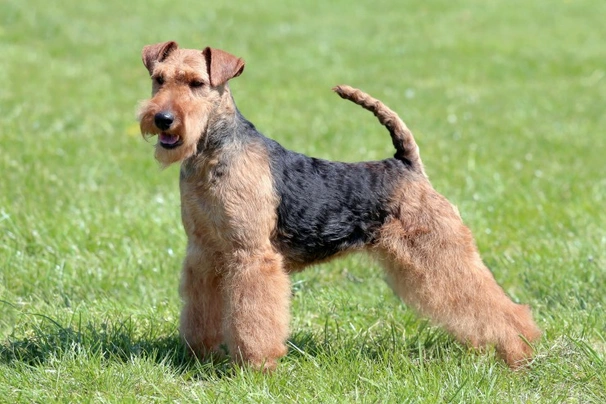
Welsh Terriers have a distinctive appearance, with a compact, muscular body, long legs, and a bushy tail. Their coat is coarse and wiry, coming in two main colors: black-focussed or grey, with the option for more pronounced markings. Their eyes are dark and expressive, and their ears are erect and triangular.
Grooming
One of the most distinctive features of the Welsh Terrier is its rugged coat, which requires regular grooming to prevent matting and tangling. While this can be a challenge, it’s an essential part of caring for your Welsh Terrier. Regular brushing (at least 2-3 times a week) will help keep their coat healthy and looking its best.
In addition to regular brushing, Welsh Terriers also require occasional baths, nail trimming, and ear cleaning to maintain good hygiene and prevent infections. It’s also important to check for matting and tangling regularly, especially in areas such as the armpits, behind the ears, and around the tail.
Health
Welsh Terriers are generally a healthy breed, with an average lifespan of 12-14 years. However, like all breeds, they can be prone to certain health issues, including patellar luxation (kneecap dislocation), hip dysplasia, and eye problems.
Patellar luxation is a common condition in dogs, where the kneecap slips out of place, causing pain and discomfort. Hip dysplasia is another potential issue, where the hip joint doesn’t form properly, leading to arthritis and mobility problems.
Eye problems are also common in Welsh Terriers, including cataracts, progressive retinal atrophy, and glaucoma. Regular veterinary check-ups can help identify these issues early on, ensuring prompt treatment and minimizing the risk of complications.
Exercise and Training
Welsh Terriers are natural athletes, requiring regular exercise to stay happy and healthy. Daily walks (at least 30 minutes), playtime, and mental stimulation are essential to prevent boredom and destructive behavior.
In addition to physical exercise, Welsh Terriers also require mental stimulation to prevent boredom and stress. Engaging in activities such as obedience training, agility training, or scent work can help keep your dog happy and engaged.
Early socialization and training (starting from puppyhood) are also crucial to develop good behavior and a strong bond with your family. Positive reinforcement techniques, such as clicker training, can be effective in teaching your Welsh Terrier basic commands and behaviors.
Allevamento
Welsh Terriers are relatively easy to care for, especially compared to larger breeds. They require regular grooming, moderate exercise, and plenty of attention and interaction. However, they do need consistent training and socialization from an early age to prevent behavioral problems.
Here are some tips for caring for your Welsh Terrier:
- Provide a balanced diet that meets their nutritional needs
- Ensure adequate exercise and mental stimulation
- Regularly groom their coat to prevent matting and tangling
- Practice positive reinforcement training to develop good behavior
- Socialize your Welsh Terrier extensively to ensure they are comfortable around people, other animals, and new environments
Pricing
Welsh Terrier puppies can cost anywhere from £400-£600, depending on factors like breeder reputation, bloodline, and pedigree. However, prices may vary significantly online or through breeders.
Here are some general guidelines:
- Purebred Welsh Terriers: £400-£600
- Registered Welsh Terriers (with breeder documentation): £500-£800
- Show-quality Welsh Terriers (with champion bloodlines): £800-£1,200
Conclusion
The Welsh Terrier is a lively and affectionate breed that’s perfect for active families. With their bold personality, distinctive appearance, and moderate exercise needs, they make an excellent companion animal. By understanding their characteristics, care requirements, and pricing, you can decide if this breed is right for you.
If you’re considering bringing a Welsh Terrier into your family, here are some final tips to keep in mind:
- Research reputable breeders and ensure they provide proper documentation and guarantees
- Prepare for regular grooming sessions (at least 2-3 times a week)
- Provide plenty of exercise and mental stimulation
- Invest in quality toys and interactive games
- Early socialization and training are crucial to develop good behavior
By following these tips and considering the needs and characteristics of the Welsh Terrier, you can create a happy and healthy home for this lively and affectionate breed.
Frequently Asked Questions (FAQs)
- What is the average lifespan of a Welsh Terrier?
The average lifespan of a Welsh Terrier is 12-14 years. - Are Welsh Terriers difficult to train?
Welsh Terriers are relatively easy to train, but early socialization and consistency are crucial to develop good behavior. - Do Welsh Terriers require regular grooming?
Yes, Welsh Terriers require regular grooming (at least 2-3 times a week) to prevent matting and tangling of their coarse coat. - Can I get a Welsh Terrier puppy online?
While it’s possible to find Welsh Terrier puppies online, be cautious of unscrupulous breeders or scams. Always research reputable breeders and ensure they provide proper documentation and guarantees. - How much exercise does a Welsh Terrier need?
Welsh Terriers require daily walks (at least 30 minutes), playtime, and mental stimulation to prevent boredom and destructive behavior. - Are Welsh Terriers suitable for apartment living?
While Welsh Terriers can thrive in apartments, they do require regular exercise and attention to prevent boredom and destructive behavior. - Can I adopt a Welsh Terrier from a rescue organization?
Yes, many rescue organizations have Welsh Terriers available for adoption. Contact local breed-specific rescue groups or reputable shelters to inquire about availability. - Are Welsh Terriers prone to any specific health issues?
Welsh Terriers can be prone to patellar luxation (kneecap dislocation), hip dysplasia, and eye problems. Regular veterinary check-ups and genetic testing can help identify potential issues early on.
By understanding these questions and their answers, you’ll be better equipped to decide if the Welsh Terrier is right for your family.


