
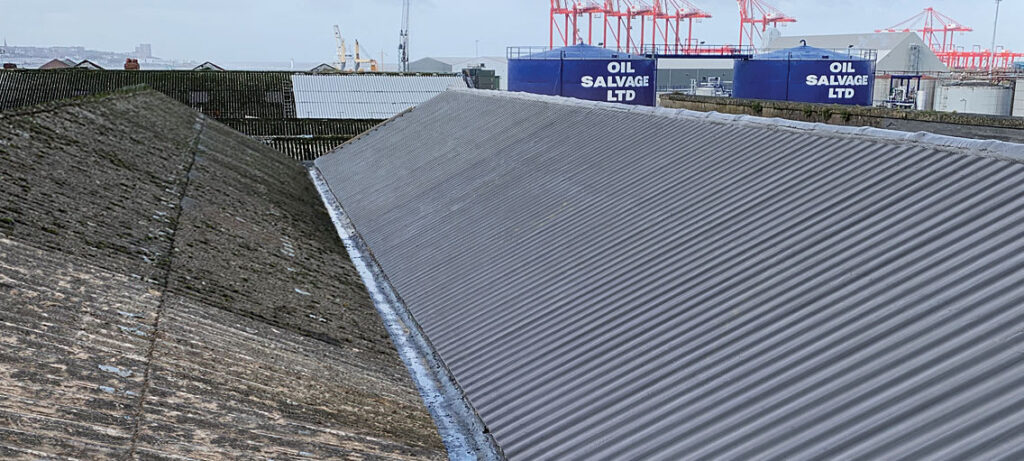
Asbestos, a group of minerals once widely used in construction due to its fire-resistant properties, poses significant health risks if released into the environment. When asbestos is present in cement-based structures, such as roofs or walls, it can lead to serious health problems for occupants and the surrounding community. This article will explore the concept of encapsulating asbestos-laden cement structures, also known as Eternit in Italy, and discuss its benefits, risks, and the importance of seeking professional help when dealing with this issue.
What is Encapsulation?
Encapsulation involves encasing a hazardous material, such as asbestos, within a protective layer to prevent its release into the environment. In the context of cement-based structures, encapsulation can be achieved through various methods, including applying a special coating or wrapping the affected area with a durable material.
Why is Encapsulation Necessary?
Encapsulation is necessary to mitigate the risks associated with asbestos exposure. Asbestos fibers can cause respiratory problems, cancer, and other health issues if inhaled. By encasing the asbestos-laden cement structure, encapsulation prevents the release of these harmful fibers into the air, protecting both occupants and the surrounding environment.
Types of Encapsulation Methods
There are several methods for encapsulating asbestos-laden cement structures, including:
- Applying a special coating: A non-toxic, waterproof coating can be applied to the affected area to prevent the release of asbestos fibers.
- Wrapping with a durable material: A durable material, such as fiberglass or plastic sheeting, can be wrapped around the affected area to contain the asbestos fibers.
Benefits of Encapsulation
Encapsulation offers several benefits, including:
- Reduced health risks: By preventing the release of asbestos fibers into the air, encapsulation reduces the risk of respiratory problems and other health issues associated with asbestos exposure.
- Cost savings: Encapsulation can be a cost-effective alternative to removing and replacing entire structures or materials containing asbestos.
Risks Associated with Asbestos Exposure
Asbestos exposure can cause serious health problems, including:
- Respiratory issues: Inhaling asbestos fibers can lead to respiratory problems, such as bronchitis and lung cancer.
- Cancer risk: Prolonged exposure to asbestos has been linked to an increased risk of cancer, particularly mesothelioma.
Encapsulation vs. Removal: What’s the Best Option?
While encapsulation offers a cost-effective alternative to removal, there are situations where removal may be necessary. Factors to consider when deciding between encapsulation and removal include:
- Severity of contamination: If the asbestos contamination is severe or widespread, removal may be the best option.
- Type of material: Certain materials, such as insulation or flooring, may require removal due to their high risk of containing asbestos.
Conclusion
Encapsulation is a safe and effective way to mitigate the risks associated with asbestos exposure in cement-based structures. By understanding the benefits and risks of encapsulation, individuals can make informed decisions about how to address asbestos contamination in their buildings. If you suspect that your building contains asbestos, it’s essential to consult with a qualified professional who can assess the situation and provide guidance on the best course of action.
Frequently Asked Questions
- What is Eternit?
- Eternit is a type of cement-based material used in construction.
- Is encapsulation a safe way to deal with asbestos exposure?
- Yes, encapsulation can be an effective way to mitigate the risks associated with asbestos exposure.
- What are the benefits of encapsulation compared to removal?
- Encapsulation offers several benefits, including reduced health risks and cost savings, compared to removal.
- When should I consider removal instead of encapsulation?
- Removal may be necessary if the asbestos contamination is severe or widespread, or if certain materials are at high risk of containing asbestos.
- What are some common signs of asbestos exposure?
- Common signs of asbestos exposure include respiratory problems, such as bronchitis and lung cancer, and skin irritation.
- How can I prevent asbestos exposure in my building?
- Regular maintenance and inspections can help identify potential sources of asbestos exposure, allowing for prompt action to mitigate risks.
By understanding the benefits and risks associated with encapsulation and seeking professional guidance when dealing with asbestos contamination, individuals can protect their health and well-being.


