
As we continue to navigate the complexities of our fast-paced, technology-driven world, it’s becoming increasingly clear that our daily choices have a significant impact on the environment. From reducing energy consumption to adopting eco-friendly transportation methods, every small step counts towards creating a more sustainable future.
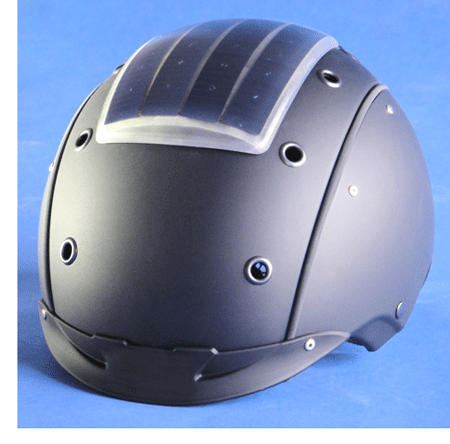
In this article, we’ll delve into the world of innovative, environmentally conscious fashion trends – specifically, solar-powered helmets. This revolutionary design combines style with sustainability, making it an exciting development in the quest for a greener tomorrow.
The Power of Solar Energy
Solar energy has long been touted as a game-changer for our planet. By harnessing the power of the sun, we can reduce our reliance on fossil fuels and lower greenhouse gas emissions. The concept of solar-powered helmets takes this idea to the next level, integrating renewable energy into an essential piece of personal protective equipment.
A New Era in Safety
Safety has always been a top priority for cyclists and motorcyclists. Traditional helmets have long served as a crucial barrier between head and road. However, with the advent of solar-powered helmets, we’re seeing a seismic shift in the way safety is approached. No longer must riders rely on cumbersome, battery-powered accessories or worry about running out of juice during critical moments.
How It Works
So, how do these remarkable helmets generate power? The answer lies in cutting-edge technology developed by Fraunhofer, a leading German research institution. By applying special cells made from monocristalline silicon to the helmet’s surface, the device can harness solar energy and convert it into electricity.
This innovative approach allows the helmet to charge small devices like smartphones, portable speakers, or GPS units, ensuring riders remain connected and safe on the road. The result is a thrilling fusion of sustainability and functionality that redefines the way we think about safety gear.
A Broader Appeal
While cyclists and motorcyclists will undoubtedly benefit from these revolutionary helmets, their potential applications extend far beyond the motorcycle world. Industrial workers, skiers, and anyone who regularly wears a helmet may also find value in this innovative technology.
The possibilities are endless, and as we continue to explore new ways of harnessing solar energy, we can expect to see even more exciting developments in the world of sustainable fashion.
Market Potential
With an estimated production cost of €100 for installation-compatible helmets, these innovative devices are poised to disrupt the market. As concerns about climate change and environmental sustainability grow, consumers will increasingly seek out eco-friendly products that align with their values.
The Fraunhofer-developed solar helmet project is set to enter mass production by 2012, making it an exciting addition to the growing green gadget market. With a projected retail price of €300, these helmets are expected to appeal to environmentally conscious consumers willing to invest in sustainable fashion.
Conclusion
As we look to the future, it’s clear that innovation and sustainability will continue to play a vital role in shaping our world. The solar-powered helmet is an inspiring example of how technology can merge with style to create something truly remarkable.
By embracing eco-friendly design choices like these, we can work towards a brighter, more sustainable tomorrow – one where fashion meets function in ways that benefit both people and the planet.
Frequently Asked Questions
- Q: How do solar-powered helmets generate power?
A: By applying special cells made from monocristalline silicon to the helmet’s surface, these devices harness solar energy and convert it into electricity. - Q: What types of devices can be charged using a solar-powered helmet?
A: Small devices like smartphones, portable speakers, or GPS units can benefit from this innovative technology. - Q: What is the estimated production cost of solar-powered helmets?
A: Installation-compatible helmets are expected to retail for around €100, while conventional helmets will cost approximately €300. - Q: Will solar-powered helmets be available in mass production by 2012?
A: Yes, Fraunhofer’s innovative project is set to enter mass production by the end of 2012. - Q: What market potential do you see for solar-powered helmets?
A: With growing concerns about climate change and environmental sustainability, consumers will increasingly seek out eco-friendly products like these. - Q: Can solar-powered helmets be used beyond cycling and motorcycling applications?
A: Yes, their versatility extends to industrial workers, skiers, and anyone who regularly wears a helmet.
Future Developments
As we move forward into the next decade, it’s likely that we’ll see even more innovative applications for solar-powered technology. From wearable devices to building-integrated systems, the possibilities are endless.
The rise of sustainable fashion is an exciting development in our quest for a greener tomorrow. By embracing eco-friendly design choices like solar-powered helmets, we can work towards a brighter future – one where technology meets sustainability in ways that benefit both people and the planet.
Challenges Ahead
While the potential of solar-powered helmets is undeniable, there are still several challenges that need to be addressed before this technology becomes mainstream. These include:
- Cost: While the production cost of €100 for installation-compatible helmets may seem reasonable, conventional helmets will likely remain a significant expense.
- Durability: The durability and longevity of solar-powered helmets must be carefully considered to ensure they can withstand the rigors of daily use.
- Energy Storage: The ability to store excess energy generated by the helmet for later use remains an area of ongoing research and development.
Despite these challenges, we’re optimistic about the future of sustainable fashion. By working together to address these issues, we can create a world where technology meets sustainability in ways that benefit both people and the planet.
Conclusion
The rise of solar-powered helmets is just one example of how innovative design choices are shaping our world towards a greener tomorrow. As we continue to explore new ways of harnessing renewable energy, we can expect to see even more exciting developments in the world of sustainable fashion.
By embracing eco-friendly design choices like these, we can work towards a brighter future – one where technology meets sustainability in ways that benefit both people and the planet.


