
Are you tired of feeling bloated and uncomfortable after eating beans? Do you struggle with digestive issues due to the high fiber content in beans? In this article, we’ll explore the best practices for soaking and cooking beans to make them easier to digest.
Why Soaking and Cooking Beans is Important
Soaking and cooking beans can help break down some of the anti-nutrients that can cause discomfort. Anti-nutrients are compounds found in certain foods that can inhibit nutrient absorption. Beans are a rich source of these compounds, which can lead to digestive issues like bloating, gas, and discomfort.
The Benefits of Soaking
Soaking beans is an important step in making them easier to digest. Here are some benefits of soaking:
- Reduces phytic acid: Phytic acid is a compound found in beans that can inhibit nutrient absorption. Soaking beans helps break down phytic acid, making it easier for the body to absorb nutrients.
- Breaks down anti-nutrients: Anti-nutrients are compounds found in beans that can cause discomfort. Soaking beans helps break down these compounds, making them easier to digest.
- Improves nutrient availability: Soaking beans helps improve the availability of nutrients in the beans, making it easier for the body to absorb them.
The Benefits of Cooking
Cooking beans is also an important step in making them easier to digest. Here are some benefits of cooking:
- Breaks down phytic acid: Phytic acid is a compound found in beans that can inhibit nutrient absorption. Cooking beans helps break down phytic acid, making it easier for the body to absorb nutrients.
- Denatures proteins: Cooking beans denatures proteins, making them easier to digest.
- Breaks down anti-nutrients: Cooking beans helps break down anti-nutrients, making them easier to digest.
Choosing the Right Soaking Technique
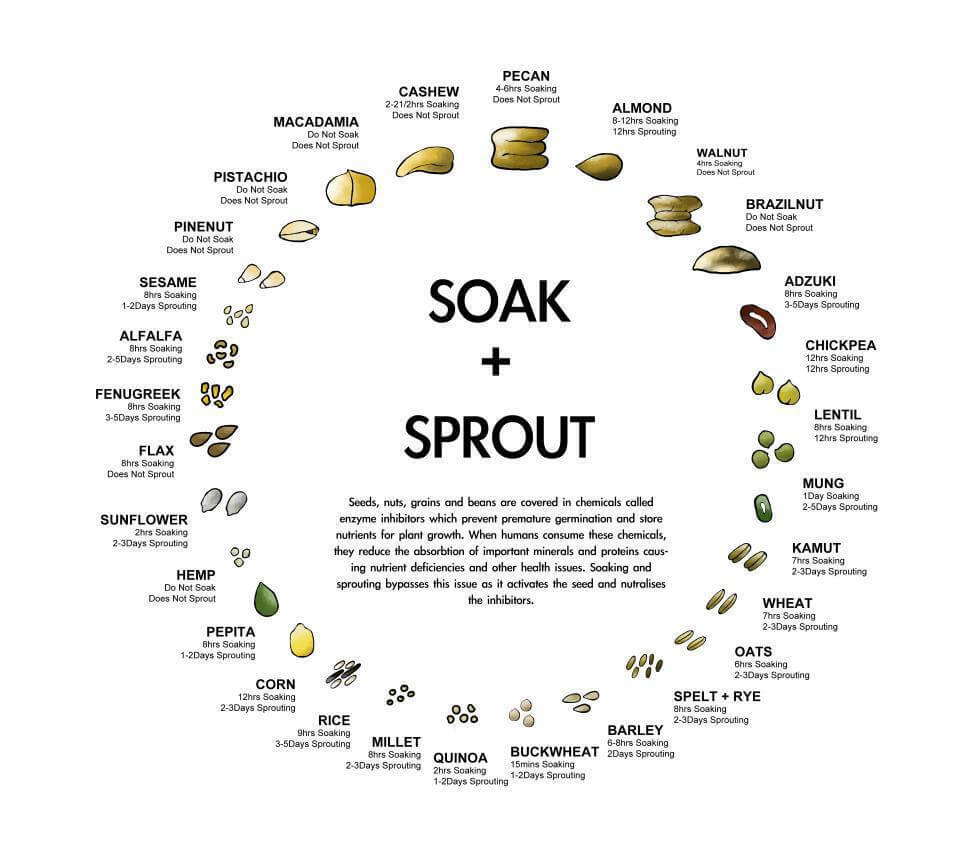
There are two main techniques for soaking beans: slow overnight soaking and quick soaking. Slow soaking involves soaking beans in water for 6-12 hours or even up to 24 hours. Quick soaking involves soaking beans in hot water for a shorter period of time.
Slow Overnight Soaking
Slow soaking is the most effective method for breaking down anti-nutrients in beans. To soak beans using this method:
- Rinse the beans thoroughly
- Place them in a large bowl or pot
- Cover them with water, making sure they are fully submerged
- Let them soak overnight (8-12 hours)
- Drain and rinse the beans before cooking
Quick Soaking
Quick soaking is a faster method that can still help break down some of the anti-nutrients in beans. To soak beans using this method:
- Rinse the beans thoroughly
- Place them in a large pot or bowl
- Add hot water to cover them
- Let them soak for 2-3 hours
- Drain and rinse the beans before cooking
The Importance of Draining and Rinsing
After soaking, it’s essential to drain and rinse the beans thoroughly. This helps remove any remaining anti-nutrients and excess water that can cause discomfort.
Drain and Rinse Beans
To drain and rinse beans:
- Drain the soaking liquid
- Rinse the beans with fresh water
- Soak them in a new pot of water to rehydrate
Cooking Beans: Tips and Tricks
Cooking beans requires attention to detail to ensure they are cooked evenly and thoroughly. Here are some tips to help you cook the perfect bean dish:
Choosing the Right Cooking Liquid
The type of liquid used for cooking beans can affect their digestibility. Water is the best choice, as it helps break down anti-nutrients more effectively.
Using the Right Cooking Method
Stovetop cooking is a popular method for cooking beans. However, it’s essential to use gentle heat and monitor the cooking time closely to prevent overcooking.
Adding Flavor Enhancers
Herbs and spices can add flavor to your bean dishes while also providing additional health benefits. Choose herbs like thyme, rosemary, or parsley, which are rich in antioxidants and anti-inflammatory compounds.
Tips for Cooking Beans
Here are some tips for cooking beans:
- Use a pressure cooker: Pressure cookers can reduce the cooking time of beans by up to 70%.
- Soak beans overnight: Soaking beans overnight can help break down anti-nutrients.
- Cook beans in small batches: Cooking beans in small batches can help prevent overcooking.
- Monitor cooking time closely: Monitoring cooking time closely can help prevent overcooking.
Conclusion: Soaking and Cooking Beans for Easy Digestion
Soaking and cooking beans is an art that requires attention to detail. By choosing the right soaking technique, draining and rinsing thoroughly, and using gentle heat, you can make beans easier to digest. With these tips and tricks, you’ll be on your way to enjoying delicious and nutritious bean dishes without any discomfort.
Frequently Asked Questions: Soaking and Cooking Beans
- What is the best method for soaking beans?
- The best method for soaking beans is slow overnight soaking.
- How long should I soak beans?
- Beans should be soaked for 6-12 hours or up to 24 hours.
- Why do beans need to be drained and rinsed after soaking?
- Draining and rinsing helps remove excess water and anti-nutrients.
- What is the best cooking liquid for beans?
- Water is the best choice, as it breaks down anti-nutrients more effectively.
- How do I cook beans to prevent overcooking?
- Use gentle heat and monitor the cooking time closely.
- Can I use other liquids besides water when cooking beans?
- While you can use other liquids, water is still the best choice for optimal digestibility.
- What are some popular herbs and spices that can be added to bean dishes?
- Herbs like thyme, rosemary, or parsley can add flavor while providing additional health benefits.
By following these tips and techniques, you’ll be able to enjoy delicious and nutritious bean dishes without any discomfort. Happy cooking!


