
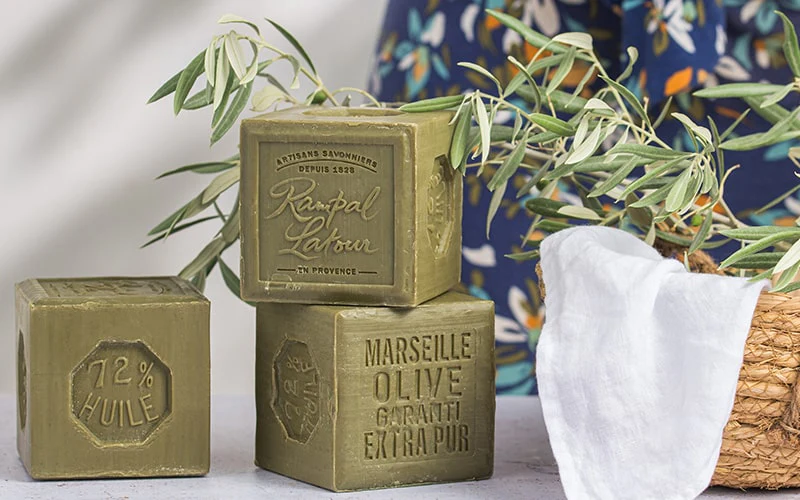
Marseille soap is a versatile product with numerous applications in the home. This natural, eco-friendly soap made from ingredients like soda and olive oil is both effective and practical. In this article, we’ll delve into the various ways to utilize Marseille soap, exploring its benefits, uses, and how to make your own Marseille soap liquid at home.
The History of Marseille Soap
Marseille soap has been produced in France since the 19th century. The name “Marseille” refers to the city of Marseille, where this type of soap was originally manufactured using traditional methods. The unique blend of ingredients and the production process have made Marseille soap a popular choice among consumers seeking eco-friendly and effective cleaning products.
Using Marseille Soap on Floors
To keep your floors clean and free of dirt, try using a mixture of Marseille soap and water. Fill a bucket with 4 liters of hot water, add 1/2 cup of white vinegar, 1/2 cup of alcohol, and 1 tablespoon of Marseille soap flakes. Stir the ingredients well and use this solution to prevent the soap from losing its cleaning power. Dip a cloth or mop into the mixture, wring it out thoroughly, and clean your floor.
Benefits of Using Marseille Soap on Floors
- Effective cleaning: Marseille soap is gentle enough not to scratch floors but tough enough to remove dirt, dust, and grime.
- Natural ingredients: The soap is made from natural ingredients like soda and olive oil, making it a healthier alternative to chemical-based products.
- Eco-friendly: Marseille soap is biodegradable and non-toxic, reducing your environmental footprint.
Removing Stains on Walls
If you have stubborn stains on your walls caused by old radiators, stoves, or fireplaces, Marseille soap is here to help. Mix 50 grams of Marseille soap flakes with 1 liter of warm water. Stir the mixture until it’s smooth and free of soap residue. Use a damp cloth to clean the wall without applying too much pressure.
Tips for Removing Stains
- After cleaning the stain, use a clean, damp cloth to wipe away any remaining soap residue.
- Open windows and doors to ventilate the area and allow the walls to dry properly.
- To avoid leaving streaks on your walls, use light-colored sponges when cleaning.
Using Marseille Soap in Other Household Applications
Marseille soap can be used for various other household tasks, such as:
- Cleaning countertops and sinks
- Removing stubborn stains from carpets and upholstery
- Deodorizing refrigerators and freezers
- Washing dishes and utensils
Making Your Own Marseille Soap Liquid at Home
To create a Marseille soap liquid, start by grating a pan of Marseille soap using a wide-grater. Then, place it in a saucepan with 1 liter of water and bring to a boil. Remove the saucepan from the heat and let the soap dissolve completely. If some pieces remain after a few hours, reheat the mixture and continue to simmer until all the soap is dissolved.
Covering the Saucepan and Letting it Sit
Let the saucepan sit covered for 24 hours. The next day, you’ll find that the mixture has turned into a gelatinous, compact mass that’s still soft to the touch. Use a blender to mix this gel in 200ml of water.
Adding Oil and Filling the Bottle
Add 1 tablespoon of almond oil to the mixture and blend well. Pour the Marseille soap liquid into a clean bottle and seal it tightly.
Benefits of Making Your Own Marseille Soap Liquid at Home
- Cost-effective: By making your own Marseille soap liquid, you can save money compared to buying commercial products.
- Customizable: You can adjust the amount of oil and other ingredients to create a custom blend that suits your needs.
- Environmentally friendly: Using natural ingredients and reducing packaging waste makes this process eco-friendly.
Conclusion: The Versatility of Marseille Soap
Marseille soap is an incredibly versatile product that can be used in various ways around your home. Whether you’re looking for an eco-friendly cleaning solution or a natural alternative to chemical-based products, Marseille soap is here to help. By following the simple steps outlined above, you can enjoy the many benefits of this amazing soap and make your own Marseille soap liquid at home.
Frequently Asked Questions
- Is Marseille soap suitable for all surfaces?
Marseille soap is generally safe to use on most surfaces, but it’s always a good idea to test a small area first. - Can I make my own Marseille soap liquid at home?
Yes, you can make your own Marseille soap liquid by following the steps outlined above. - Is Marseille soap eco-friendly?
Yes, Marseille soap is made from natural ingredients and is an eco-friendly alternative to chemical-based cleaning products. - How often should I use Marseille soap on my floors?
Use Marseille soap on your floors as needed, ideally once a week or when the floor becomes dirty. - Can I mix Marseille soap with other cleaning products?
It’s not recommended to mix Marseille soap with other cleaning products, as this can create an unstable mixture that may not be effective. - Is Marseille soap suitable for people with sensitive skin?
Marseille soap is generally gentle on the skin, but it’s always a good idea to do a patch test before using it extensively. - Can I use Marseille soap on countertops and sinks?
Yes, you can use Marseille soap on countertops and sinks, but make sure to rinse thoroughly and dry the area completely. - Is Marseille soap effective against stains and odors?
Yes, Marseille soap is highly effective against stains and odors due to its natural ingredients and gentle cleaning power.
Additional Tips for Using Marseille Soap
- Always read the instructions on the packaging or consult with a professional before using Marseille soap for any specific task.
- Wear gloves when handling Marseille soap flakes to prevent skin irritation.
- Avoid inhaling the fumes from Marseille soap, as it can cause respiratory issues.
- Store Marseille soap in a well-ventilated area to prevent moisture buildup.
By following these tips and using Marseille soap in various ways around your home, you can enjoy a cleaner, healthier living space while reducing your environmental impact.


