
What is Frugal Living?
As we navigate through the aisles of a supermarket or shopping mall, it’s easy to get caught up in the excitement of finding deals and discounts. However, frugal living is not just about being cheap; it’s about making conscious choices that align with our values and goals. It’s about being intentional with our spending habits and developing strategies to save money without sacrificing quality.
Frugal living is a mindset that encourages us to think critically about our consumption habits and make choices that benefit both our wallets and the environment. By adopting a frugal lifestyle, we can reduce our financial stress, live more sustainably, and enjoy greater peace of mind.
Know Thyself
Before we dive into the nitty-gritty of frugal living, let’s take a step back and understand ourselves. What drives our shopping behavior? Are we stressed or relaxed while shopping? Do we seek satisfaction or fear not getting enough? Our mindset plays a significant role in determining whether we’ll stick to our budget or blow it on impulse buys.
Understanding our motivations is crucial to developing effective frugal living strategies. For example, if we’re prone to buying things impulsively due to stress or boredom, we may need to find alternative ways to manage these emotions, such as exercise, meditation, or hobbies.
The Power of a Shopping List
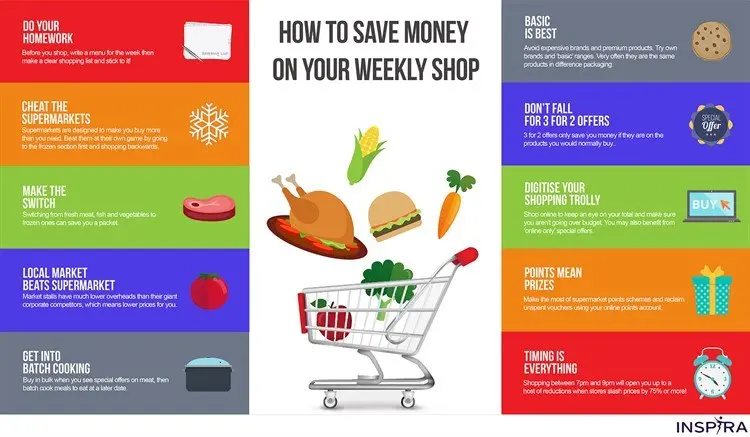
A shopping list is one of the simplest yet most effective tools for frugal living. By categorizing items and sticking to our list, we can avoid the temptation of buying unnecessary items. It’s like having a map that guides us through the supermarket, helping us stay focused on what we need rather than what catches our eye.
When creating a shopping list, it’s essential to be specific and realistic about our needs. Avoid making lists based solely on sales or promotions, as these can lead to impulse buys and unnecessary purchases.
Reading Labels: A Key to Smart Shopping
Labels are not just for aesthetics; they hold valuable information that can help us make informed purchasing decisions. By reading labels carefully, we can identify high-quality products at affordable prices. It’s like having a superpower that allows us to decode the secrets of packaging and make smart choices.
When it comes to label reading, there are several key things to look for:
- Ingredient list: Avoid products with long lists of artificial ingredients or preservatives.
- Nutritional information: Opt for products with fewer calories, less sugar, and more fiber.
- Price per serving: Compare prices between different brands or sizes to ensure we’re getting the best value.
- Certifications: Look for certifications like USDA Organic, Fair Trade, or Non-GMO to ensure we’re supporting sustainable practices.
Reusable Bags: A Small but Significant Savings
Reusable bags may seem like a small thing, but they can add up to significant savings over time. By bringing our own bags, we can avoid the extra cost of single-use bags and reduce waste.
The Environmental Protection Agency (EPA) estimates that Americans throw away over 100 billion plastic bags each year, contributing to the staggering amount of waste in landfills and oceans. By switching to reusable bags, we can make a significant impact on reducing our environmental footprint.
Grocery Stores: A World of Options
Not all grocery stores are created equal. By shopping at different stores, we can find better deals on fresh produce and other essentials. It’s like being a detective searching for clues to uncover the best prices in town.
When choosing a grocery store, consider factors such as:
- Location: Consider the distance between your home and work, as well as public transportation options.
- Prices: Compare prices between different stores and online retailers.
- Quality: Look for stores that prioritize fresh, locally sourced produce and organic options.
- Sales and promotions: Take advantage of sales and promotions to stock up on non-perishable items.
The Art of Comparison Shopping
When it comes to comparing prices, it’s easy to get caught up in the excitement of finding a great deal. However, not all discounts are created equal. By taking the time to compare prices and read labels carefully, we can make informed purchasing decisions that align with our values and budget.
To become an effective comparison shopper, consider the following strategies:
- Research: Take the time to research different brands, sizes, and options.
- Price tracking: Use apps or websites to track price changes over time.
- Sales circulars: Check sales circulars and weekly ads for the best deals.
- Coupons and discounts: Look for coupons, discounts, and promotions online and in-store.
Smartphone Apps: Your Personal Shopping Assistant
There are many smartphone apps available that can help us save money on everyday items. From finding deals on groceries to discovering coupons and discounts, these apps can be a valuable resource for frugal living. It’s like having a personal shopping assistant at our fingertips, guiding us towards smart choices.
Some popular shopping apps include:
- Ibotta: Offers cashback rewards on groceries and household items.
- Fetch Rewards: Provides points redeemable for gift cards and other rewards.
- RetailMeNot: Features coupons, discounts, and promo codes for online shopping.
- ShopSavvy: Allows users to scan barcodes and compare prices in-store.
Conclusion
Frugal living is not just about saving money; it’s about living intentionally and making conscious choices that align with our values and goals. By using the strategies outlined in this article – from creating a shopping list to comparing prices – we can develop the skills necessary to become savvy shoppers who can save money without sacrificing quality.
Remember, frugal living is a journey, not a destination. It takes time, effort, and practice to develop new habits and strategies that work for us. By being intentional with our spending habits and making conscious choices, we can live more sustainably, reduce our financial stress, and enjoy greater peace of mind.
Frequently Asked Questions
Q: What is frugal living, and how can I get started?
A: Frugal living is about making conscious choices that align with your values and goals. Start by identifying areas where you can cut back on spending and develop strategies to save money without sacrificing quality.
Q: How can I create a shopping list that works for me?
A: To create an effective shopping list, categorize items and stick to what you need rather than what catches your eye. You can also use apps like Out of Milk or Grocery IQ to help you stay organized.
Q: Why is reading labels important for frugal living?
A: Reading labels allows you to identify high-quality products at affordable prices. It’s like having a superpower that helps you decode the secrets of packaging and make smart choices.
Q: Can I really save money by using reusable bags?
A: Yes, reusable bags can add up to significant savings over time. By bringing your own bags, you can avoid the extra cost of single-use bags and reduce waste.
Q: How do I compare prices effectively?
A: To compare prices effectively, read labels carefully and take the time to research different options. You can also use apps like Flipp or RetailMeNot to help you find deals and discounts.
Q: What are some common mistakes people make when trying to save money on groceries?
A: Some common mistakes include not planning meals in advance, buying too much food that may go to waste, and failing to compare prices. By avoiding these pitfalls, you can develop the skills necessary to become a savvy shopper who saves money without sacrificing quality.
Q: Can I really make a difference by using smartphone apps for shopping?
A: Yes, many smartphone apps are designed specifically to help people save money on everyday items. From finding deals on groceries to discovering coupons and discounts, these apps can be a valuable resource for frugal living.


