
As a parent, it’s natural to want the best for your child. When it comes to introducing them to cycling, one of the most crucial decisions you’ll make is choosing a balance bike that suits their age and skill level. In this article, we’ll delve into the world of balance bikes, exploring what they are, their benefits, and how to select the perfect one for your little one.
Is There an Ideal Age for Starting a Balance Bike?
While there’s no specific age range for introducing children to cycling, most pediatricians agree that kids can start learning to ride a balance bike as early as 18 months. At this stage, they begin to develop their sense of balance and coordination. As your child grows, they’ll naturally progress from using the handlebars to pedaling.
What is a Balance Bike?
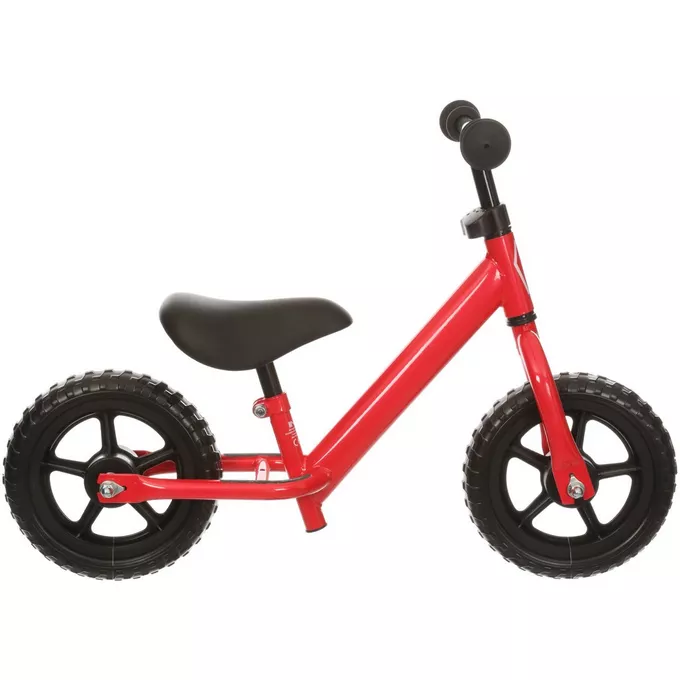
A balance bike, also known as a push bike or pre-bike, is an innovative type of bicycle designed specifically for young children. Unlike traditional bicycles with pedals, these bikes don’t have any and instead use a saddle and handlebars for balance and steering. The primary purpose of a balance bike is to teach your child how to ride without the need for pedaling.
Characteristics of Balance Bikes
Balance bikes come in various shapes, sizes, and materials, making it essential to choose one that suits your child’s needs. Some key characteristics to look out for include:
- Seat height: Adjustable seat heights allow you to customize the bike to fit your child comfortably.
- Handlebars: Sturdy handlebars provide a secure grip for young hands.
- Weight: A lighter bike makes it easier for your child to maneuver and balance.
- Fenders and pedals: Some bikes come with fenders and pedals, which can add extra features but also increase weight.
Benefits of Balance Bikes
Balance bikes offer numerous benefits for children, including:
- Improved balance and coordination: By learning to ride a bike without pedaling, your child develops essential skills that translate to other physical activities.
- Increased confidence: As your child becomes more confident on the bike, they’ll be encouraged to explore new environments and try new things.
- Better steering and control: Balance bikes teach your child how to steer and control the bike using their body weight and balance.
How to Teach Your Child to Pedal
When your child is ready to move on from a balance bike to a pedal bike, it’s essential to introduce pedaling gradually. Here are some steps to follow:
- Introduce pedaling: Start by having your child push the pedals with their feet while holding onto the handlebars.
- Add weight: Gradually add weight to the bike by removing some of the stabilizers or seats.
- Practice pedaling: Encourage your child to pedal regularly, starting with short distances and gradually increasing the length.
Choosing the Right Balance Bike for Your Child
With so many balance bikes available on the market, it’s essential to select one that meets your child’s specific needs. Here are some factors to consider:
- Weight capacity: Choose a bike with a weight capacity that suits your child’s age and size.
- Adjustable seat height: An adjustable seat ensures a comfortable fit for your child as they grow.
- Durable materials: Opt for bikes made from high-quality, durable materials that can withstand regular use.
Popular Brands of Balance Bikes
Several brands offer excellent balance bikes designed specifically for young children. Some popular options include:
- Strider
- Puky
- Kiddimoto
- Chicco
When choosing a balance bike, consider factors like weight capacity, adjustable seat height, and durable materials.
Tips for Parents and Caregivers
As a parent or caregiver, there are several things you can do to support your child’s learning process:
- Be patient: Learning to ride a bike takes time and patience. Encourage your child to keep trying and celebrate small victories along the way.
- Provide positive reinforcement: Offer constructive feedback that focuses on progress rather than failure.
- Make it fun: Balance bikes are designed for fun, so make sure to incorporate games and challenges into your child’s learning process.
Conclusion
Choosing the right balance bike for your child is a crucial decision that can help them develop essential skills and confidence. By considering factors like weight capacity, adjustable seat height, and durable materials, you can find a bike that suits your child’s needs. As a parent or caregiver, it’s also important to provide positive reinforcement, make learning fun, and be patient as your child progresses through this exciting stage of their cycling journey.
Frequently Asked Questions
- What is the ideal age for introducing children to balance bikes?
Children can start learning to ride a balance bike as early as 18 months. - How do I choose the right balance bike for my child?
Consider factors like weight capacity, adjustable seat height, and durable materials when selecting a balance bike. - What are the benefits of balance bikes?
Balance bikes improve balance and coordination, increase confidence, and teach better steering and control. - How do I teach my child to pedal?
Introduce pedaling gradually by having your child push the pedals with their feet while holding onto the handlebars, then add weight and practice pedaling regularly. - What are some popular brands of balance bikes?
Some popular options include Strider, Puky, Kiddimoto, and Chicco.
By understanding the benefits and features of balance bikes, you can provide your child with an excellent foundation for their cycling journey.


