
Introduction
The Jack Russell is a small, energetic dog that has captured the hearts of many with its big personality and charming appearance. Originally bred to hunt foxes, this terrier has become a popular companion dog, excelling in both apartments and homes with families. But what makes the Jack Russell tick? Let’s delve into the world of this fascinating breed.
Origins
The Jack Russell was born in England in 1795, specifically in Dartmouth (Devon), where its creator, Reverend John “Jack” Russell, lived. As a parson and avid hunter, Russell sought to develop a dog that could excel at hunting foxes with ease and agility. He experimented with various terrier breeds, ultimately creating two distinct types: the Parson Jack Russell and the Jack Russell.
Physical Characteristics
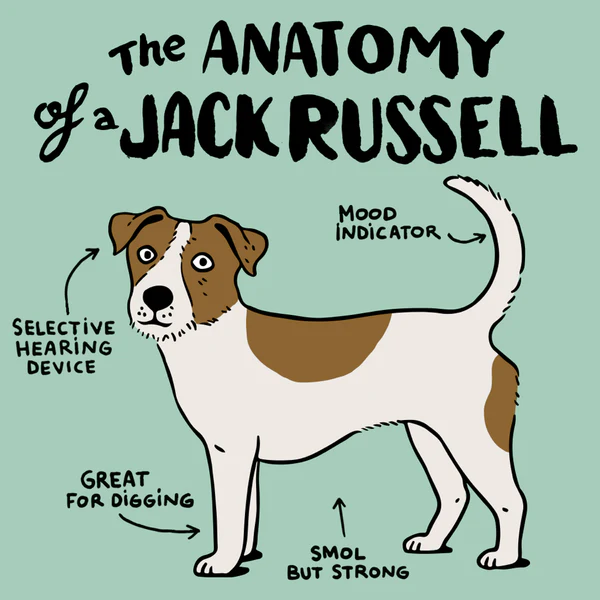
The Jack Russell is a compact dog with a predominantly white coat, featuring mottled brown and black markings on its head, back, and legs. Its height ranges from 10-15 inches (25-38 cm), and it typically weighs between 6-10 pounds (2.7-4.5 kg). The Jack Russell’s short, high-set tail and pointed ears add to its distinctive appearance.
Personality
The Jack Russell is a whirlwind of energy, intelligence, and charm. This small dog is not afraid to show off its personality, making it an excellent companion for families with children or singles looking for a lively companion. With proper training, the Jack Russell can be well-behaved and adaptable, excelling in agility sports.
Characteristics
The Jack Russell’s playful nature and high intelligence make it an ideal breed for active families or individuals seeking a loyal companion. Its adaptability to apartment living is also notable, as long as regular exercise and mental stimulation are provided.
Dietary Needs
As with all dogs, the Jack Russell requires a balanced diet that meets its nutritional needs based on age, activity level, and size. A high-quality dog food containing meat as the primary ingredient is recommended, along with regular water intake. The ideal food should be rich in protein, moderate in fat, and low in carbohydrates.
Health Considerations
The Jack Russell is generally a healthy breed, but it can be prone to certain health issues, such as:
- Patellar luxation: a condition where the kneecap slips out of place
- Hip dysplasia: a genetic disorder that affects the hip joint
- Eye problems: including cataracts and progressive retinal atrophy
Regular veterinary check-ups and monitoring for these potential issues can help prevent or manage them.
Alleviations and Costs
When selecting a Jack Russell from an allevement, it’s essential to maintain the same diet as before to ensure a smooth transition. The majority of Italian breeders provide puppies with short coats, but some larger establishments offer long-haired or “medium-length” varieties. The cost of a purebred Jack Russell can range from 500 to 800 euros.
Conclusion
The Jack Russell’s charm and adaptability have captured the hearts of many dog enthusiasts. With proper care, training, and attention, this small but mighty companion can thrive as a beloved member of your family or household.
Frequently Asked Questions (FAQs)
-
Q: How often should I exercise my Jack Russell?
A: Regular daily walks and playtime are essential for maintaining the Jack Russell’s physical and mental health. Aim for at least 30 minutes of exercise per day, including a mix of physical activity and mental stimulation. -
Q: Can I train a Jack Russell without professional help?
A: Yes, but it’s recommended to seek guidance from experienced trainers or veterinarians to ensure proper behavior and socialization. Training should be positive and consistent to avoid negative reinforcement. -
Q: How often should I feed my Jack Russell?
A: A high-quality dog food with a balanced nutritional profile is essential for maintaining your Jack Russell’s overall health and well-being. Feed 2-3 times a day, depending on the age, size, and activity level of your dog. -
Q: Can Jack Russells get along with other pets?
A: With proper introduction and training, Jack Russells can coexist peacefully with other pets in the household. However, it’s essential to introduce them gradually to prevent conflicts and ensure a smooth transition. -
Q: How often should I groom my Jack Russell?
A: Regular brushing is necessary to maintain your Jack Russell’s coat, as well as clean their ears and provide regular nail trimming. Brush your dog at least once a week, and trim their nails every few weeks. -
Q: Can Jack Russells be used for hunting or guarding?
A: While Jack Russells were originally bred for hunting, they are not suitable for guarding due to their small size and friendly nature. -
Q: How long do Jack Russells typically live?
A: The average lifespan of a Jack Russell is 13-15 years with proper care and attention. -
Q: Can I leave my Jack Russell alone for extended periods?
A: While Jack Russells are adaptable, they require regular attention and socialization to prevent boredom and destructive behavior. Consider hiring a dog walker or asking a trusted friend to visit your dog regularly if you have a busy schedule.
Tips for Owning a Jack Russell
- Provide plenty of toys and chews to keep your Jack Russell occupied and stimulated.
- Train your Jack Russell using positive reinforcement techniques, such as clicker training.
- Take advantage of agility training or other physical activities that challenge your dog’s mind and body.
- Make time for regular grooming sessions to maintain your Jack Russell’s coat and overall health.
Jack Russell History
The Jack Russell was bred in the late 18th century by Reverend John “Jack” Russell, a parson and avid hunter. He sought to develop a dog that could excel at hunting foxes with ease and agility. Russell experimented with various terrier breeds, ultimately creating two distinct types: the Parson Jack Russell and the Jack Russell.
Interesting Facts
- The Jack Russell’s short stature allows them to fit into small spaces and navigate dense underbrush.
- Their high energy levels make them excellent companions for active families or individuals.
- Despite their small size, Jack Russells are fiercely loyal and protective of their owners and territories.
Conclusion
The Jack Russell is a unique and captivating breed that has won the hearts of many dog enthusiasts. With its adaptability, intelligence, and charming appearance, it’s no wonder why this small but mighty companion has become a popular choice for families and singles alike. By understanding the needs and characteristics of the Jack Russell, you can provide a happy and fulfilling life for this incredible breed.
Final Thoughts
In conclusion, the Jack Russell is an exceptional breed that requires attention, care, and patience to thrive. With proper training, exercise, and socialization, they can become loyal companions and beloved family members. Whether you’re a seasoned dog owner or considering bringing a Jack Russell into your life, it’s essential to understand their unique needs and characteristics.
Sources
- The Kennel Club: A comprehensive guide to the Jack Russell Terrier breed.
- American Kennel Club: Information on the Jack Russell Terrier breed standard.
- PetMD: Expert advice on caring for your Jack Russell Terrier.
By considering these sources and tips, you’ll be well-equipped to provide a happy and fulfilling life for your new furry friend.


