
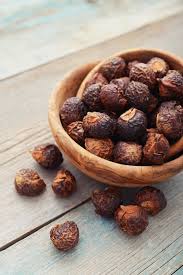
As we navigate the world of natural cleaning products, it’s essential to explore the benefits and uses of soap nuts, also known as soap berries or Sapindus Mukorossi. These tiny, fragrant fruits have been used for centuries in traditional medicine and household cleaning, but their popularity has only recently gained momentum worldwide. In this article, we’ll delve into the world of soap nuts, exploring their history, benefits, and uses, as well as answering some common questions about these natural wonders.
What are Soap Nuts?
Soap nuts are the fruit of the Sapindus Mukorossi tree, native to Asia. When the fruit comes into contact with water, it releases natural saponins, which create a cleansing and foaming action similar to traditional soap. These saponins have antibacterial, antifungal, and anti-inflammatory properties, making them an excellent alternative to chemical-based cleaning products.
A Brief History of Soap Nuts
Soap nuts have been used for centuries in traditional medicine and household cleaning in India and Nepal. In recent years, they’ve gained popularity worldwide as a natural and eco-friendly cleaning solution. However, it’s essential to note that soap nuts are not widely available in most supermarkets, making them more challenging to find.
Benefits of Soap Nuts
- Natural and Biodegradable: Soap nuts are free from harsh chemicals, making them an excellent choice for those with sensitive skin or allergies.
- Eco-Friendly: Soap nuts are biodegradable and non-toxic, reducing the environmental impact of traditional cleaning products.
- Cost-Effective: Soap nuts can be used multiple times, making them a cost-effective alternative to commercial cleaning products.
Uses for Soap Nuts
Soap nuts have a wide range of applications, from household cleaning to personal care:
Household Cleaning
- Laundry: Add soap nuts to your washing machine or use them as a natural detergent substitute.
- Bathroom Cleaners: Mix soap nuts with baking soda and water to create a paste for scrubbing toilets and sinks.
- Mop Head Cleaner: Combine soap nuts with white vinegar and water to clean mop heads.
Personal Care
- Shampoo: Boil soap nuts in water, then strain the liquid to create a natural shampoo.
- Conditioner: Mix soap nuts with coconut oil and shea butter for a nourishing hair conditioner.
How to Use Soap Nuts
To get the most out of your soap nuts, follow these simple steps:
- Boil 2-3 cups of water and add 10-15 soap nuts.
- Reduce heat and let it simmer for 5-10 minutes.
- Strain the liquid and use it as a natural detergent or shampoo.
Tips and Precautions
- Use within a few uses: Soap nuts can lose their effectiveness after multiple uses, so be sure to replenish them regularly.
- Avoid using with aluminum: The acidity of soap nuts can react with aluminum, causing discoloration or damage to surfaces.
- Be gentle when washing delicate items: Soap nuts can be harsh on certain fabrics, so be cautious when washing delicate items.
Contraindications and Side Effects
While soap nuts are generally considered safe for use, there are some contraindications and side effects to be aware of:
- Pregnancy and Breastfeeding: There is limited research on the safety of soap nuts during pregnancy and breastfeeding. Consult with a healthcare professional before using them.
- Skin Irritation: Some individuals may experience skin irritation or allergic reactions to soap nuts. Start with small amounts and gradually increase usage as needed.
Conclusion
Soap nuts are a natural and eco-friendly alternative to traditional cleaning products. With their numerous benefits and versatile applications, it’s no wonder they’re gaining popularity worldwide. By understanding the uses and benefits of soap nuts, you can make an informed decision about incorporating them into your daily routine.
Frequently Asked Questions (FAQs)
Q: What are soap nuts made of?
A: Soap nuts are the fruit of the Sapindus Mukorossi tree, which releases natural saponins when in contact with water.
Q: Are soap nuts safe for skin and hair?
A: Yes, soap nuts are free from harsh chemicals and have antibacterial, antifungal, and anti-inflammatory properties, making them an excellent choice for sensitive skin and hair.
Q: How do I use soap nuts for laundry?
A: Add 1/4 cup of soap nuts to your washing machine or use them as a natural detergent substitute.
Q: Can I use soap nuts with aluminum?
A: No, the acidity of soap nuts can react with aluminum, causing discoloration or damage to surfaces.
Q: Are soap nuts suitable for everyone?
A: Soap nuts are generally considered safe, but there may be contraindications and side effects for certain individuals. Consult with a healthcare professional before using them if you have any concerns.
Innovative Uses for Soap Nuts
Soap nuts can be used in a variety of innovative ways, from creating natural dyes to making soap nuts-based cosmetics:
- Natural Dye: Boil soap nuts in water and mix the resulting liquid with fabric dye to create a sustainable and eco-friendly dye.
- Cosmetics: Mix soap nuts with coconut oil, shea butter, and essential oils to create nourishing skincare products.
Conclusion
Soap nuts are an incredibly versatile and natural alternative to traditional cleaning products. With their numerous benefits and innovative uses, it’s no wonder they’re gaining popularity worldwide. By understanding the uses and benefits of soap nuts, you can make an informed decision about incorporating them into your daily routine.
How to Store Soap Nuts
To ensure the longevity and effectiveness of your soap nuts, follow these storage tips:
- Dry completely: After boiling or using soap nuts, allow them to air dry completely before storing.
- Store in a cool place: Keep soap nuts away from direct sunlight and heat sources.
- Use within a few months: Soap nuts can lose their effectiveness after multiple uses, so be sure to replenish them regularly.
Conclusion
Soap nuts are a natural and eco-friendly alternative to traditional cleaning products. With their numerous benefits and versatile applications, it’s no wonder they’re gaining popularity worldwide. By understanding the uses and benefits of soap nuts, you can make an informed decision about incorporating them into your daily routine.
Frequently Asked Questions (FAQs)
Q: What are soap nuts made of?
A: Soap nuts are the fruit of the Sapindus Mukorossi tree, which releases natural saponins when in contact with water.
Q: Are soap nuts safe for skin and hair?
A: Yes, soap nuts are free from harsh chemicals and have antibacterial, antifungal, and anti-inflammatory properties, making them an excellent choice for sensitive skin and hair.
Q: How do I use soap nuts for laundry?
A: Add 1/4 cup of soap nuts to your washing machine or use them as a natural detergent substitute.
Q: Can I use soap nuts with aluminum?
A: No, the acidity of soap nuts can react with aluminum, causing discoloration or damage to surfaces.


