
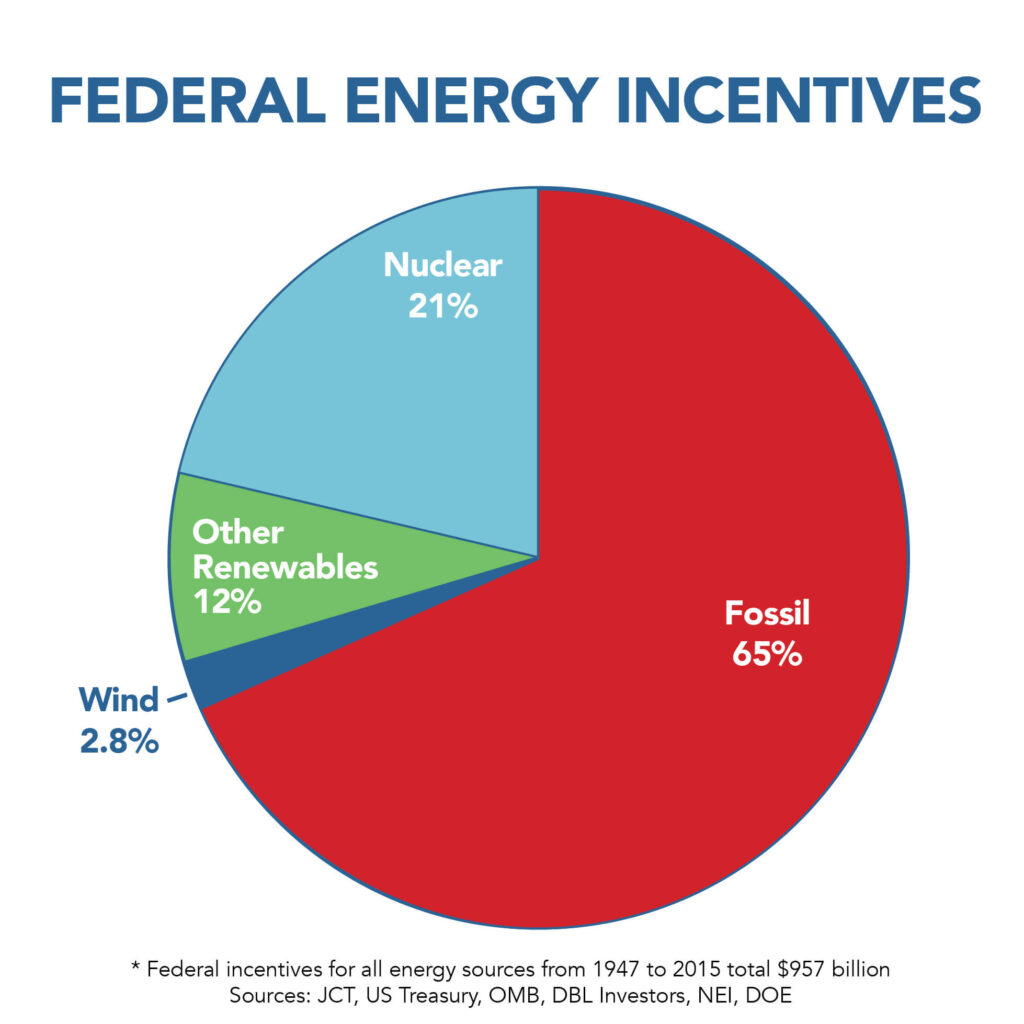
In recent years, wind power has emerged as a significant player in the renewable energy sector, offering numerous benefits for individuals, businesses, and the environment. As concerns about climate change continue to grow, governments around the world are implementing incentives to encourage the adoption of clean energy sources like wind power.
One such incentive is the state subsidy program for non-exceeding 200 kW wind turbines, introduced by the Italian government in 2008. This program aimed to promote the development of renewable energy sources and encourage individuals to invest in clean energy solutions. In this article, we will explore the benefits of mini-wind turbines, the role of the state incentive, how the incentive program works, and the opportunities it presents.
Understanding the Benefits of Mini-Wind Turbines
Mini-wind turbines are an attractive alternative for individuals seeking to generate electricity while reducing their reliance on fossil fuels. Not only do wind turbines produce no greenhouse gas emissions, but they also require minimal maintenance and have a negligible impact on the environment. Some of the key benefits of mini-wind turbines include:
- Renewable Energy Source: Wind power is a renewable energy source that can be replenished naturally, unlike fossil fuels which are finite resources.
- Low Operating Costs: Mini-wind turbines require minimal maintenance and have no moving parts, reducing operating costs over time.
- Carbon Emissions Reduction: By generating electricity from wind power, individuals can reduce their carbon footprint and contribute to a cleaner environment.
The Role of the State Incentive
The state incentive program for non-exceeding 200 kW wind turbines plays a crucial role in promoting the adoption of clean energy sources. By providing financial support, the government encourages individuals to invest in mini-wind turbines, which can help reduce greenhouse gas emissions and promote sustainable development.
How the Incentive Program Works
The state incentive program provides two main incentives for mini-wind turbine owners:
- Tariff Fissa Omnicomprensiva: A fixed tariff that covers all energy costs for a period of 15 years. This means that wind turbine owners can enjoy stable energy costs and avoid fluctuations in the market.
- Scambio Sul Posto: A local exchange system where the turbine owner can sell excess energy to their electricity distributor, receiving a balance in return.
The Local Exchange System (Scambio Sul Posto)
This program allows wind turbine owners to benefit from selling excess energy to their local distributor. The distributor provides an annual credit for the amount of energy produced by the turbine, which can be used to offset future energy costs or sold on the market. This system encourages wind turbine owners to optimize their energy production and maximize their benefits.
Eligibility and Qualification
To qualify for these incentives, mini-wind turbines must meet specific requirements:
- Power Output: Limited to 200 kW.
- Qualification Process: The turbine owner must undergo a qualification process to ensure that the turbine is capable of producing clean energy. This may involve inspections and testing to verify the turbine’s performance.
Benefits and Opportunities
Wind turbines offer numerous benefits, including reduced greenhouse gas emissions, lower energy costs, and minimal maintenance requirements. By investing in a mini-wind turbine, individuals can:
- Save on Energy Costs: Reduce their reliance on fossil fuels and enjoy lower energy bills.
- Contribute to Renewable Energy: Help the environment by generating clean energy from wind power.
- Increase Property Value: Boost property value with a renewable energy source.
Conclusion
Wind turbines offer an attractive alternative for individuals seeking to reduce their carbon footprint while enjoying financial benefits. With the state incentive program and local exchange system, investing in mini-wind turbines has become more accessible than ever. As governments continue to promote clean energy sources, wind power is likely to play a significant role in shaping the future of renewable energy.
Additional Benefits
In addition to the incentives mentioned above, there are several other benefits associated with wind turbine ownership:
- Tax Benefits: Wind turbine owners may be eligible for tax benefits and deductions on their investment.
- Increased Energy Independence: By generating electricity from wind power, individuals can reduce their reliance on grid energy and enjoy increased energy independence.
- Job Creation: The wind industry is creating new job opportunities in manufacturing, installation, and maintenance.
Case Studies
Several case studies demonstrate the potential of mini-wind turbines to reduce greenhouse gas emissions and promote sustainable development:
- Italian Wind Farm: A 20-turbine wind farm in Italy generated over 1.5 million kWh of electricity per year, reducing CO2 emissions by 3,500 tons.
- US Wind Farm: A 50-turbine wind farm in the US generated over 10 million kWh of electricity per year, reducing CO2 emissions by 20,000 tons.
Future Outlook
As concerns about climate change continue to grow, governments around the world are implementing policies to encourage the adoption of clean energy sources like wind power. The state incentive program for non-exceeding 200 kW wind turbines is likely to play a significant role in shaping the future of renewable energy.
In conclusion, mini-wind turbines offer an attractive alternative for individuals seeking to reduce their carbon footprint while enjoying financial benefits. With the state incentive program and local exchange system, investing in mini-wind turbines has become more accessible than ever. As governments continue to promote clean energy sources, wind power is likely to play a significant role in shaping the future of renewable energy.


