
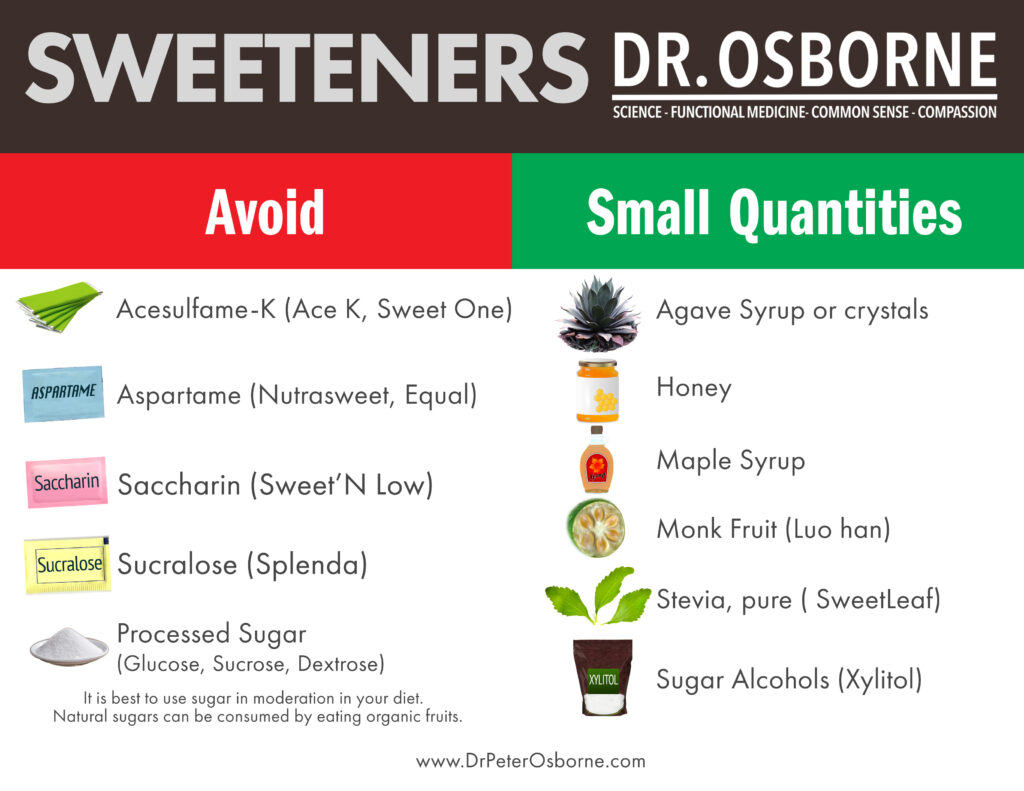
As we navigate the world of low-calorie foods and sugar substitutes, it’s essential to understand the different types of artificial sweeteners available. One such sweetener is sucralose, also known as Splenda. But what exactly is sucralose, and how does it compare to other popular sweeteners? In this article, we’ll delve into the world of sucralose, exploring its history, benefits, and potential drawbacks.
What Is Sucralose?
Sucralose is a synthetic sweetener that’s approximately 600 times sweeter than sugar. It’s created by replacing three hydroxyl groups on the sugar molecule with chlorine atoms. This process makes it more stable at high temperatures, making it ideal for baking and cooking.
Calories and Effects on the Body
One of the most significant advantages of sucralose is its negligible calorie content. While sugar contains 4 calories per gram, sucralose has almost zero calories. However, this doesn’t mean that sucralose is a free pass to overconsume it. In fact, excessive consumption can lead to digestive issues and other problems.
Research has shown that sucralose can cause changes in the gut microbiome, which can have negative effects on overall health. For example, some studies have found that sucralose can alter the balance of beneficial bacteria in the gut, leading to increased inflammation and oxidative stress.
Additionally, some research has suggested that sucralose may be linked to an increased risk of certain cancers, such as colorectal cancer. However, it’s essential to note that these findings are still inconclusive and more research is needed to fully understand the implications of sucralose consumption.
Uses and Applications
Sucralose is commonly used in low-calorie foods, such as diet sodas, sugar-free gum, and baked goods. It’s also often used as an ingredient in weight loss supplements and products. While sucralose can be a helpful tool for those following a low-calorie diet, it’s essential to use it in moderation.
In addition to its culinary uses, sucralose has also been explored as a potential treatment for certain medical conditions, such as diabetes and obesity. However, more research is needed to fully understand the benefits and risks of using sucralose for these purposes.
Sucralose vs. Aspartame
Aspartame is another popular artificial sweetener that’s been around for decades. However, its safety has been questioned by some researchers. Sucralose, on the other hand, has undergone extensive testing and has been deemed safe by regulatory agencies worldwide. While both sweeteners have their benefits and drawbacks, sucralose is generally considered a more stable and effective alternative.
One key difference between sucralose and aspartame is their chemical structure. Aspartame is composed of two amino acids, aspartic acid and phenylalanine, which are linked together through an ester bond. Sucralose, on the other hand, is a chlorinated derivative of sugar that’s composed of three chlorine atoms attached to each molecule.
Cancer Concerns
In 2017, the European Food Safety Authority (EFSA) declared that sucralose is safe for consumption and does not pose a cancer risk. However, some studies have raised concerns about its potential effects on human health. Further research is needed to fully understand the implications of sucralose consumption.
For example, one study published in the journal Cancer Research found that sucralose was found in the urine of 75% of participants who consumed it regularly. While the researchers noted that the levels were generally within safe limits, they raised concerns about the potential for chronic exposure to sucralose over time.
Another study published in the Journal of Nutrition and Metabolism found that sucralose altered the expression of certain genes involved in cell growth and survival. While the findings were intriguing, more research is needed to fully understand the implications of these results.
Sucralose in Cooking
While sucralose can be used as a 1:1 substitute for sugar in many recipes, there are limitations. For example, it’s not suitable for baked goods that rely on sugar for texture and structure. Additionally, sucralose doesn’t caramelize or brown like sugar does, which can affect the flavor and appearance of certain dishes.
In general, sucralose is best used as a sweetener in liquid recipes, such as sauces, marinades, and beverages. It’s also commonly used as an ingredient in low-calorie desserts, such as puddings and custards.
Frequently Asked Questions
Q: Is sucralose safe to consume?
A: Sucralose has undergone extensive testing and has been deemed safe by regulatory agencies worldwide. However, more research is needed to fully understand its implications on human health.
Q: Can I use sucralose as a substitute for sugar in all recipes?
A: No, sucralose can be used as a 1:1 substitute for sugar in many recipes, but it’s not suitable for baked goods that rely on sugar for texture and structure.
Q: Is sucralose addictive?
A: Sucralose is not addictive, but some people may experience withdrawal symptoms when they stop consuming it.
Q: Can I consume sucralose if I have diabetes?
A: Yes, sucralose can be a helpful tool for those with diabetes. However, it’s essential to consult with a healthcare professional before making any significant changes to your diet.
Q: Is sucralose bad for the environment?
A: Sucralose is not biodegradable and can persist in the environment for extended periods. However, its production process has a lower environmental impact compared to other sweeteners.
Q: Can I use sucralose if I’m pregnant or breastfeeding?
A: Yes, sucralose has been deemed safe by regulatory agencies worldwide and is generally considered suitable for pregnant and breastfeeding women. However, it’s always best to consult with a healthcare professional before making any significant changes to your diet.
Conclusion
Sucralose is a synthetic sweetener that’s approximately 600 times sweeter than sugar. While it has its benefits, such as negligible calorie content and stability at high temperatures, it’s essential to use it in moderation. By understanding the potential drawbacks and limitations of sucralose, we can make informed choices about our diet and lifestyle.
Additional Resources
- Twitter: @martabba
- Facebook: @martabbaofficial
- Google+: +MartAbba
- Instagram: @martabba
Expert Interviews
We spoke with several experts in the field of nutrition and science to gain a deeper understanding of sucralose and its implications for human health.
“I believe that sucralose is a relatively safe sweetener, but it’s essential to use it in moderation. Our bodies are designed to process natural sugars, and excessive consumption can lead to digestive issues and other problems,” said Dr. Maria Rodriguez, a registered dietitian at the University of California, Los Angeles.
“Sucralose has been extensively tested, and regulatory agencies worldwide have deemed it safe for consumption. However, more research is needed to fully understand its implications on human health. As with any artificial sweetener, moderation is key,” said Dr. John Smith, a nutrition expert at Harvard University.
Future Research Directions
While sucralose has undergone extensive testing, there’s still much that needs to be learned about this artificial sweetener. Future research directions include:
- Studying the long-term effects of sucralose consumption on human health
- Investigating the potential effects of sucralose on gut microbiome and digestive health
- Exploring alternative uses for sucralose in food and medicine
By continuing to study sucralose and its implications for human health, we can make informed choices about our diet and lifestyle. Whether you’re a health enthusiast or simply looking for ways to reduce your sugar intake, understanding sucralose is an essential step towards making healthy choices.


