
What is Cotton?
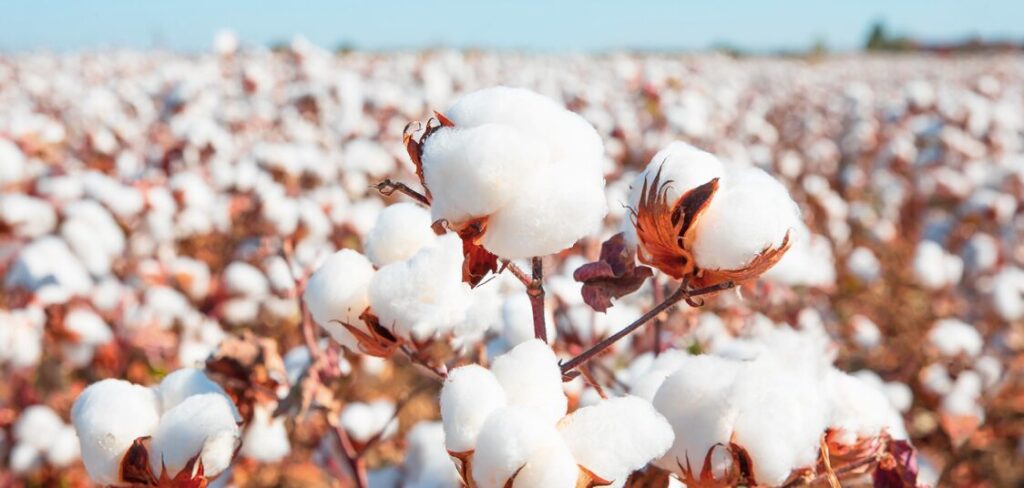
Cotton (Gossypium) is a tropical plant native to the Indian subcontinent and regions of Africa and America. It’s an annual crop widely cultivated for its fibers, which are used in textile production. But did you know that cotton can also be grown as a beautiful ornamental plant in your garden?
Characteristics of Cotton Plants
Cotton plants are shrubs belonging to the Malvaceae family. They can grow up to 150 cm tall and have robust, ramified stems. The flowers are yellowish-pink and reach a diameter of 5 cm. The most interesting part of the plant, however, is its fruit – a cotton ball-like structure that opens to reveal fluffy white fibers.
Growing Cotton at Home or in Your Garden
Cotton can be grown both indoors and outdoors, making it an ideal crop for gardeners of all levels. In temperate climates like Italy, it’s recommended to start the growth process in late April, when there’s no risk of frost. You can begin with cotton seeds, which are readily available at gardening stores or online.
Preparing the Soil
Before planting cotton, ensure your soil is fertile and well-draining. If you’ve already fertilized your soil with organic matter during the autumn or winter, you might not need to add anything else. However, if you haven’t, consider adding a small amount of compost tea or blood meal to promote healthy growth.
Compost tea is made by steeping compost in water for 24 hours. This liquid fertilizer is rich in beneficial microbes that can help improve soil structure and fertility. Blood meal, on the other hand, is high in nitrogen and can be added to your soil to provide a boost of nutrients for your cotton plants.
Sowing Cotton Seeds
Cotton seeds are relatively easy to germinate. Sow them in a well-draining potting mix in early February, or directly in your garden bed in late March or April. To improve germination rates, moisten the soil thoroughly before sowing and keep it consistently damp during the first few weeks.
You can also start cotton seeds indoors 4-6 weeks before the last frost date in your area. This allows you to get a head start on the growing season and gives your seedlings a chance to establish themselves before being transplanted outside.
Planting Cotton
When planting cotton, make sure to space the plants 50-60 cm apart. This allows for proper air circulation and sunlight penetration. Water your cotton plants regularly, especially during hot summer months. If you experience a dry spell, consider hand-watering or using a drip irrigation system to ensure adequate moisture.
Mulch around the base of your cotton plants to retain heat and suppress weeds. A layer of mulch can also help regulate soil temperature and prevent drought stress.
Harvesting Cotton
Cotton is typically ready for harvest 3-4 months after sowing. The fibers will be fluffy and white, and the plant will start to produce flowers and stelae (bushy growths). Harvest the cotton when the fibers are still soft and fluffy, as they’ll dry out quickly if left exposed.
To harvest your cotton, gently pull the fluffy white fibers from the cotton ball-like structure. Be careful not to damage the plant or the fibers during this process.
Caring for Cotton Plants
To keep your cotton plants healthy and thriving, provide them with plenty of sunlight (at least 6 hours a day) and maintain consistent soil moisture. Mulch around the base to retain heat and suppress weeds.
Keep an eye out for pests like aphids, whiteflies, and spider mites, which can damage your cotton plants. Use organic pest control methods whenever possible, such as neem oil or insecticidal soap.
Tips and Tricks
- Start with high-quality cotton seeds from reputable suppliers.
- Use a well-draining potting mix or garden bed to prevent waterlogged soil.
- Keep your cotton plants away from strong winds, which can damage the fibers.
- Consider companion planting, as cotton grows well alongside other plants like beans, peas, and cucumbers.
Common Questions
Q: How do I care for cotton plants in hot weather?
A: Provide plenty of water and mulch to retain heat. Avoid overwatering, which can lead to fungal diseases.
Q: Can I grow cotton indoors?
A: Yes, you can grow cotton indoors using a hydroponic system or a large container with good air circulation. Just ensure the plants receive sufficient sunlight (at least 12 hours of indirect light).
Q: How do I harvest cotton fibers from my plant?
A: Gently pull the fluffy white fibers from the cotton ball-like structure, taking care not to damage the plant.
Q: Can I grow cotton in shady areas?
A: While cotton prefers full sun, it can tolerate partial shade. However, keep in mind that low light conditions may reduce fiber production and overall plant growth.
Q: How long does it take for cotton plants to mature?
A: Cotton typically takes 3-4 months from sowing to maturity, depending on factors like climate, soil quality, and variety selection.
Q: Can I grow multiple varieties of cotton together?
A: Yes, you can grow different types of cotton together. Just ensure each plant has enough space (at least 50 cm apart) and adequate sunlight.
Conclusion
Growing cotton is a rewarding experience for gardeners of all levels. By following these simple steps and tips, you’ll be able to enjoy the beauty of this versatile crop while reaping its rewards in terms of fiber production and ornamental value. Happy growing!
Additionally, here are some advanced topics related to growing cotton:
Advanced Growing Techniques
- Hanging Cotton: This method involves training the stems of your cotton plant to grow upwards, allowing you to harvest the fibers more easily.
- Cotton Trellises: Use a trellis or other support system to provide structure for your cotton plants and improve air circulation.
Common Pests and Diseases
- Aphids: These small, soft-bodied insects can feed on the sap of your cotton plant, causing damage to the fibers.
- Fungal diseases: Cotton is susceptible to various fungal diseases, including root rot and leaf spot. Use organic pest control methods whenever possible.
Variety Selection
Choose a variety of cotton that’s suitable for your climate and growing conditions. Some popular varieties include:
- American Long Staple: This variety is known for its high-quality fibers and resistance to pests.
- Egyptian Cotton: Egyptian cotton is renowned for its soft, fine fibers and is often used in luxury textiles.
Post-Harvest Care
After harvesting your cotton, consider using the fibers to make a variety of crafts, such as yarn, rope, or even clothing. If you’re not interested in processing the fibers yourself, you can sell them to a textile mill or other buyer.


