
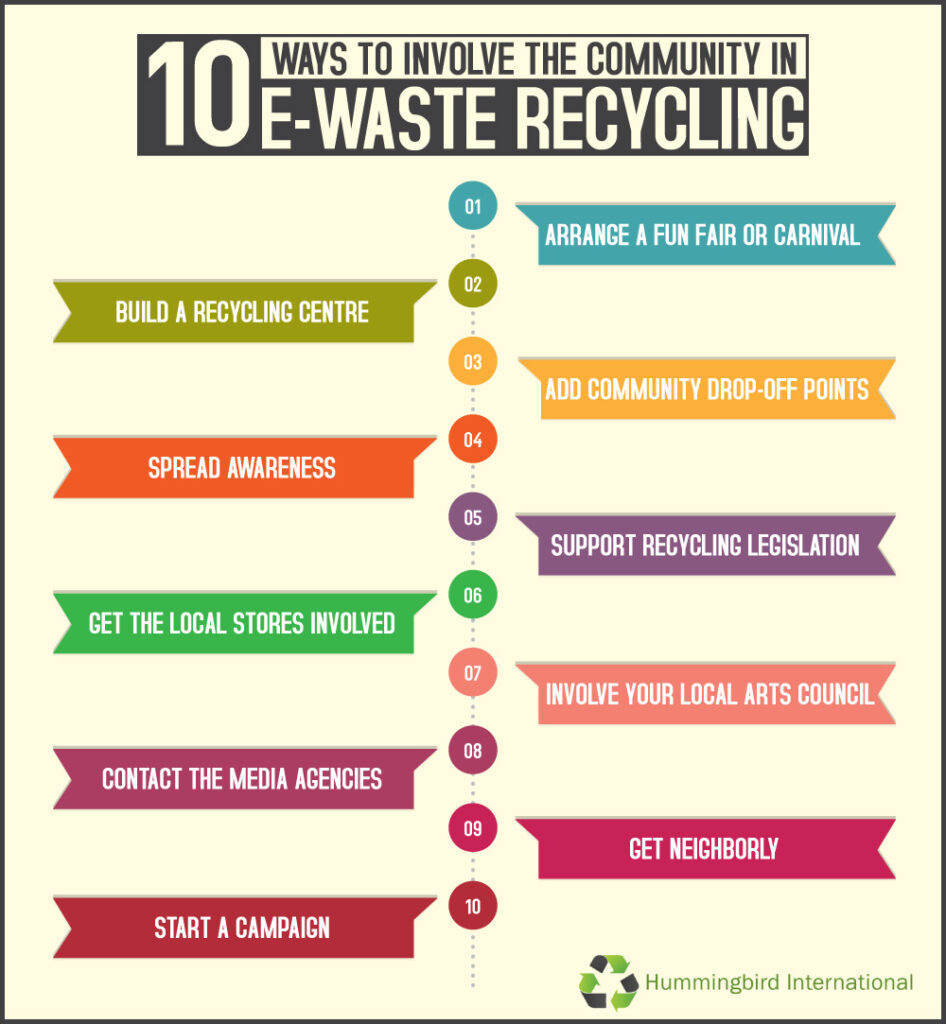
As technology advances at an unprecedented pace, we find ourselves constantly upgrading our electronic devices to take advantage of the latest features and improved performance. But what happens to those old gadgets? Often, they end up taking up space in our homes, getting tossed into general waste bins or even abandoned on the streets without much thought to their environmental impact.
Fortunately, times are changing, and e-waste recycling has become an increasingly important aspect of sustainable living. In this article, we’ll delve into the world of electronic waste, explore its significance, and discuss the best practices for responsible disposal.
What is E-Waste?
E-waste refers to discarded or abandoned electronic devices that contain hazardous materials such as batteries, circuit boards, and other components. These items can pose significant environmental and health risks if not disposed of properly.
Think of e-waste like a complex puzzle. Each component, from the tiny transistor to the large screen display, plays a crucial role in the device’s functionality. However, when these devices reach the end of their life cycle, they become a problem, as many of these components contain toxic substances that can harm humans and the environment if not handled correctly.
The Importance of Proper E-Waste Recycling
Proper e-waste recycling is essential for several reasons:
- Conservation of Natural Resources: Many e-waste materials can be recycled to extract valuable resources such as copper, gold, silver, and palladium. By recycling these materials, we can conserve natural resources and reduce the need for new mining operations.
- Reduced Environmental Pollution: Improper disposal of e-waste can lead to environmental pollution, as hazardous chemicals like mercury and lead can leach into soil and waterways. Recycling e-waste helps minimize this risk.
- Protection of Human Health: Exposure to toxic substances in e-waste has been linked to various health problems, including cancer, neurological damage, and reproductive issues. Recycling e-waste reduces the risk of these hazards.
How is E-Waste Recovered?
E-waste recovery involves a multi-step process:
- Collection: Devices are collected from households, offices, or businesses through designated collection points or by special pick-up services.
- Sorting and Disassembly: Collected devices are sorted based on their material composition and disassembled to extract valuable components.
- Treatment and Recycling: Components are treated and recycled using specialized facilities and processes.
There are several methods used for e-waste treatment, including:
- Thermal Treatment: Devices are heated to break down hazardous materials, making them safe for recycling.
- Mechanical Separation: Components are separated using machines that sort and extract specific materials.
- Chemical Leaching: Hazardous substances are extracted from components using chemical leaching processes.
The Role of Government Regulations
Governments play a crucial role in promoting e-waste recycling through regulations and policies:
- Extended Producer Responsibility (EPR): Manufacturers are held responsible for the waste generated by their products, encouraging them to design more sustainable devices.
- Waste Management Infrastructure: Governments invest in waste management infrastructure, including collection systems, treatment facilities, and recycling processes.
The “Uno Contro Uno” System
In Italy, a unique system called “uno contro uno” allows consumers to exchange their old electronic devices for new ones without incurring any additional costs. This program promotes e-waste recycling by encouraging consumers to take responsibility for proper disposal.
Conclusion
E-waste recycling is a critical aspect of sustainable living, and it’s essential that we adopt responsible practices to minimize environmental harm. By understanding the importance of e-waste recovery, we can work together to create a more circular economy.
Frequently Asked Questions (FAQs)
Q: What is the most common material found in e-waste?
A: The most common material found in e-waste is copper, which can be extracted and recycled to produce new electronics components.
Q: How does thermal treatment work in e-waste recovery?
A: Thermal treatment involves heating devices to break down hazardous materials, making them safe for recycling. This process reduces the risk of environmental pollution and protects human health.
Q: What are some common hazards associated with e-waste?
A: Common hazards associated with e-waste include exposure to toxic substances like mercury and lead, which can cause various health problems if not handled correctly.
Q: Can e-waste be recycled in any part of the world?
A: E-waste recycling is becoming increasingly popular worldwide, but it’s still not as widespread as other types of waste management. Governments and industries are working to expand e-waste recycling infrastructure globally.
Q: What is the role of government regulations in promoting e-waste recycling?
A: Government regulations play a crucial role in promoting e-waste recycling by encouraging manufacturers to design more sustainable devices, investing in waste management infrastructure, and implementing Extended Producer Responsibility (EPR) policies.
Q: How can consumers participate in e-waste recycling efforts?
A: Consumers can participate in e-waste recycling efforts by participating in collection programs, donating used devices, or purchasing products with recyclable components.
Q: What are some common e-waste disposal methods?
A: Common e-waste disposal methods include incineration, landfilling, and dumping. However, these practices pose significant environmental risks and should be avoided whenever possible.
Q: Can e-waste be recycled in a way that produces new materials?
A: Yes, many e-waste materials can be recycled to produce new components for electronic devices, reducing the need for raw materials and conserving natural resources.
Q: What is the future of e-waste recycling?
A: The future of e-waste recycling looks promising, with increasing investment in waste management infrastructure, the development of new technologies, and growing consumer awareness about responsible electronics disposal practices.


