
Introduction
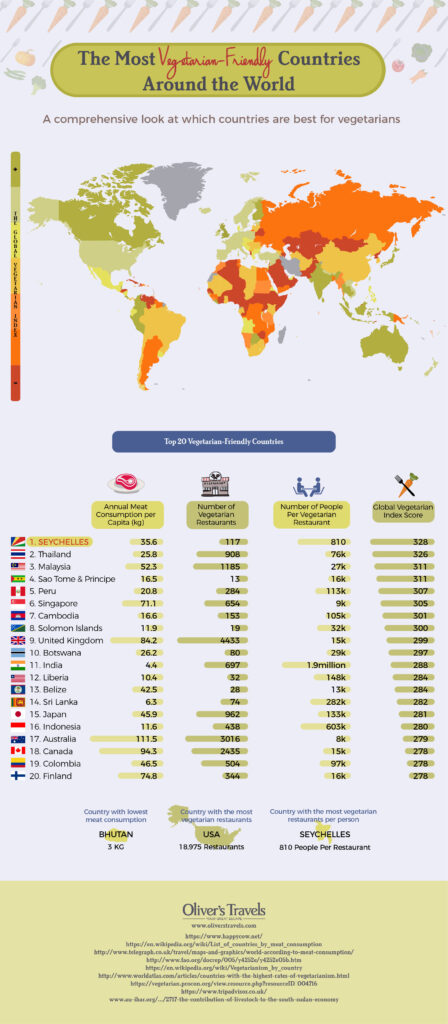
As the world grapples with climate change, food security, and health issues, vegetarianism has become an increasingly popular dietary choice. But just how widespread is this trend across the globe? In this article, we’ll explore the current state of vegetarianism in Italy and around the world, examining the latest statistics and trends.
The Complexity of Vegetarianism
Measuring vegetarianism can be tricky due to the diverse ways people define themselves as vegetarians. Some may identify as vegans or flexitarians, while others may not strictly adhere to a plant-based diet. This ambiguity makes it difficult to pinpoint exact numbers, but we’ll delve into the available data and insights.
Global Vegetarianism: A snapshot
According to a Public Policy Polling survey in the United States, approximately 13% of the population follows a vegan or vegetarian diet. In Australia, Roy Morgan Research reported that 11.2% of the population adopted this lifestyle in 2016.
Latin America: A Mixed Bag
In contrast, Latin American countries present a more varied picture. Brazil’s Brazilian Institute of Public Opinion and Statistics found that only 8% of the population follows a vegetarian diet, while some cities have seen rates as high as 14%. This variation suggests that vegetarianism is not yet uniformly accepted across the continent.
Italy: A Leader in Vegetarianism
In Europe, Italy stands out as a hub for vegetarians. According to Eurispes, the country has an estimated 11.1% of its population following a vegetarian diet, with 10% identifying as strictly vegetarian and 1.1% as vegan.
Vegetarianism Across Europe
While Italy takes the lead, other European countries have varying levels of adoption. Finland’s Lihatiedotusyhdistys reported that only 6% of the population is vegetarian, while a different study found that 10% of young Finns (ages 25-34) follow a pescetarian diet.
The Rest of Europe: A Mixed Bag
In France, the French government initially mandated meat consumption in school cafeterias, but recent surveys indicate only 2% of the population follows a vegetarian diet. Germany’s Institut Produkt und Markt found that 9% of the population is vegetarian, while the Netherlands reports a smaller percentage of vegans (0.1%) and vegetarians (4.5%).
Poland: The Vegetarian Powerhouse
However, Poland takes the top spot as the most vegetarian-friendly country in Europe, with an estimated 15% of its population following a vegetarian or vegan diet, according to Mintel’s Global Market Research & Market Insight.
Spain: Growing Popularity
In Spain, the number of vegetarians is increasing, with estimates suggesting around 2 million individuals. The association Vegana reports that this figure is growing, although no recent data is available.
Austria: A Slightly Higher Rate
Austrian surveys indicate that 9% of the population identifies as vegetarian, although the exact numbers are not up-to-date.
The Rise of Plant-Based Diets
Plant-based diets have become increasingly popular in recent years, driven by growing concerns about health, environment, and animal welfare. The rise of plant-based diets is closely tied to the growth of vegetarianism, with many people adopting a flexitarian or reducetarian lifestyle that incorporates more plant-based meals.
The Benefits of Vegetarianism
Vegetarianism has been linked to numerous health benefits, including lower rates of heart disease, stroke, and type 2 diabetes. Additionally, a well-planned vegetarian diet can be rich in essential nutrients like protein, iron, and calcium.
Challenges Faced by Vegetarians
However, vegetarians often face challenges when it comes to accessing nutritionally adequate food. Meat-free alternatives can be expensive, and some types of plant-based milk may not provide the same level of calcium as dairy milk.
Cultural Barriers
In some cultures, vegetarianism is seen as a taboo or unconventional lifestyle choice. This can make it difficult for vegetarians to socialize with non-vegetarian friends and family members, who may view their dietary choices as strange or unappealing.
Food Culture
The rise of plant-based diets has also led to changes in food culture. Restaurants are now offering more vegetarian options, and grocery stores are stocking up on meat-free alternatives. This shift towards a more plant-based lifestyle is driving innovation in the food industry.
Sustainability
Vegetarianism has significant implications for sustainability. Animal agriculture is a leading cause of greenhouse gas emissions, deforestation, and water pollution. By choosing plant-based options, individuals can help reduce their carbon footprint and support more sustainable agricultural practices.
Economic Factors
The rise of vegetarianism also raises important economic questions. Meat-free alternatives can be expensive, which may limit access to these diets for low-income households or communities with limited resources.
Conclusion
While there’s no single definitive answer to the question of how widespread vegetarianism is globally, it’s clear that the trend is growing. Countries like Italy, Poland, and Spain have notable rates of adoption, while others like France, Germany, and Austria lag behind. The varying levels of acceptance across regions highlight the need for continued education and awareness.
Frequently Asked Questions
- What percentage of the global population follows a vegetarian diet?
While exact numbers are difficult to pinpoint, a Public Policy Polling survey in the United States suggests that around 13% of the population follows a vegan or vegetarian lifestyle. - Which country has the highest rate of vegetarianism?
According to Mintel’s Global Market Research & Market Insight, Poland takes the top spot with an estimated 15% of its population following a vegetarian or vegan diet. - How widespread is vegetarianism in Latin America?
The adoption rates vary across countries, but Brazil has one of the lowest percentages (8%), while some cities have seen rates as high as 14%. - What percentage of the European population follows a vegetarian diet?
Eurispes estimates that Italy has around 11.1% of its population following a vegetarian diet. - Is vegetarianism growing globally?
Yes, many countries are seeing an increase in adoption rates, with Poland taking the lead and other regions still developing their own trends. - What’s the most common misconception about vegetarians?
Many people assume that vegetarians only eat fruits and vegetables or follow a very restrictive diet; however, this is not always the case. - Can anyone become a vegetarian?
Absolutely! Vegetarianism can be adapted to suit various lifestyles, dietary needs, and preferences. - Is there any nutritional concern with following a vegetarian diet?
In general, well-planned vegetarian diets are nutritionally adequate, but it’s essential to ensure proper nutrient intake and consult with healthcare professionals when necessary.
The Future of Vegetarianism
As the world continues to grapple with climate change, food security, and health issues, vegetarianism is likely to play an increasingly important role in shaping our dietary choices. By exploring the insights into the world of vegetarianism, we can better understand this emerging trend and its far-reaching implications for our health, environment, and society as a whole.
The Role of Technology
Technology is also playing a crucial role in promoting vegetarianism. Social media platforms are filled with vegan recipes and lifestyle tips, while online communities provide support and resources for those adopting plant-based diets. The rise of mobile apps that track nutrition and meal planning has made it easier for people to adopt healthier eating habits.
Sustainable Agriculture
As consumers become more aware of the environmental impact of their food choices, sustainable agriculture is becoming increasingly important. Vegetarianism can help reduce greenhouse gas emissions by promoting plant-based farming practices. This shift towards a more sustainable agricultural system has significant implications for the future of our planet.
Conclusion
In conclusion, vegetarianism is an evolving and diverse movement that transcends geographical boundaries. As we navigate the complexities of modern life, it’s essential to acknowledge the growing trend of vegetarianism and its far-reaching implications for our health, environment, and society as a whole. By embracing this dietary choice, individuals can contribute to a more sustainable future and promote healthier eating habits worldwide.
Final Thoughts
As we move forward in an increasingly complex world, it’s essential to recognize that vegetarianism is not just a dietary trend but a movement towards a more sustainable, compassionate, and inclusive society. By exploring the insights into the world of vegetarianism, we can better understand this emerging trend and its far-reaching implications for our health, environment, and society as a whole.
References
- Public Policy Polling (2019). Vegetarian or vegan diet.
- Roy Morgan Research (2016). Australian attitudes towards vegetarianism.
- Brazilian Institute of Public Opinion and Statistics (2020). Dietary habits in Brazil.
- Eurispes (2020). Vegetarianism in Italy.
- Lihatiedotusyhdistys (2019). Vegetarianism in Finland.
- Institut Produkt und Markt (2020). Vegetarianism in Germany.
- Mintel’s Global Market Research & Market Insight (2020). Vegetarian and vegan diets.
Glossary
- Vegan: A diet that excludes all animal products, including meat, dairy, eggs, and honey.
- Vegetarian: A diet that excludes meat, fish, and poultry but may include dairy products and eggs.
- Flexitarian: A diet that is primarily vegetarian but includes occasional consumption of meat.
- Reducetarian: A diet that aims to reduce animal product consumption without eliminating it entirely.
Conclusion
In conclusion, vegetarianism is a complex and evolving movement that transcends geographical boundaries. By exploring the insights into the world of vegetarianism, we can better understand this emerging trend and its far-reaching implications for our health, environment, and society as a whole.


