
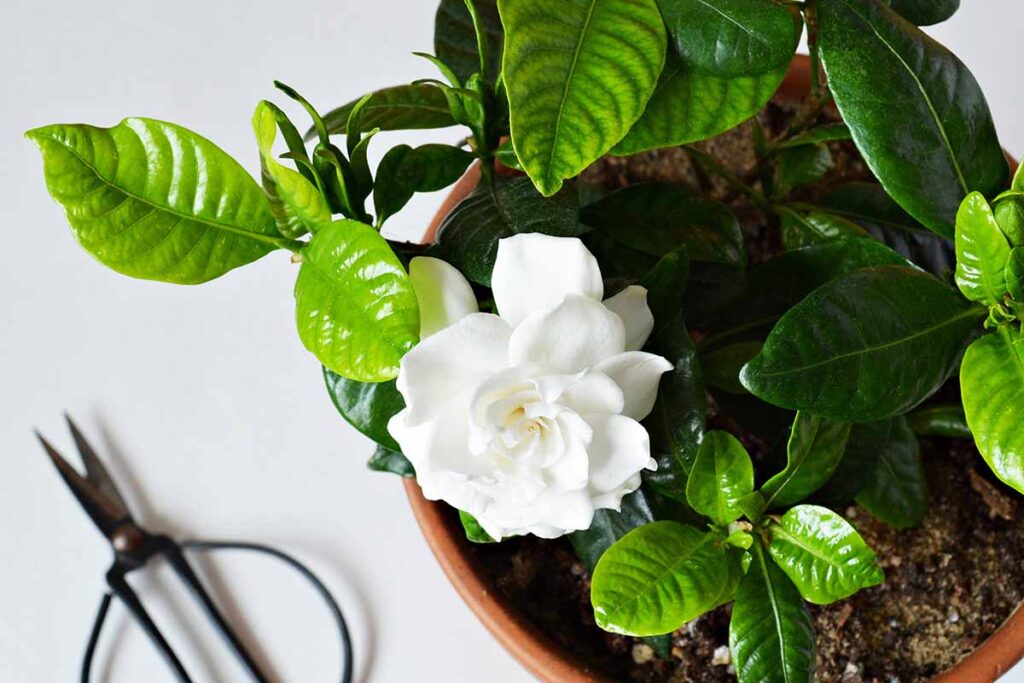
Unlocking the Secrets of Growing Gardenias at Home
As a seasoned gardener, you’re likely familiar with the allure of gardenias – those stunning, fragrant flowers that seem to captivate everyone who lays eyes on them. But did you know that growing these beautiful blooms indoors can be a surprisingly straightforward process? With the right techniques and attention to detail, you can coax your gardenia into thriving in even the most challenging environments.
Understanding Gardenia: The Basics
Before we dive into the nitty-gritty of cultivating gardenias at home, let’s get to know this fascinating plant. Gardenias are members of the Rubiaceae family and come in various sizes, from 30 cm to a whopping 150 cm tall. There are three main species found throughout Europe: Gardenia Jasminoides, Gardenia Fortunei, and Gardenia Grandiflora.
Choosing the Right Gardenia for Your Needs
If you’re planning to grow your gardenia outdoors in northern Italy, it’s essential to select the Gardenia Fortunei, which boasts larger flowers and a robust structure that can withstand freezing temperatures. This variety is ideal for outdoor cultivation, as it thrives in cooler climates.
In contrast, the Gardenia Jasminoides – with its stunning white blooms – excels indoors, particularly when exposed to gentle sunlight. Its compact growth habit makes it an excellent choice for indoor spaces, where it can tolerate temperatures between 7°C and 10°C.
Creating the Perfect Soil Environment
When growing gardenias in pots or vases, providing the right soil conditions is crucial. Aim for a pH range of 5.5 to 6.5, which will create an acidic environment suitable for these plants. If you don’t have access to high-quality potting mix specifically designed for acid-loving plants, you can create your own blend by combining peat moss and perlite.
For more information on creating the perfect soil conditions, please visit our dedicated resource on Gardenia Soil Care.
Pruning Your Gardenia: Tips and Tricks
Pruning is an essential part of maintaining healthy gardenias. To promote new growth, fertilization, and overall vitality, you’ll need to trim back your plant regularly. For optimal results, follow these guidelines:
- Regular pruning: Prune rambunctious branches or dead leaves to maintain the health and appearance of your gardenia.
- Sub-bloom removal: To encourage larger blooms, remove the first flowers produced by your gardenia. This process is known as “sbocciolatura.”
Nutrient-Rich Fertilization: The Key to Unlocking Your Gardenia’s Full Potential
Gardenias require precise fertilization schedules to bloom optimally. For best results, use a high-quality fertilizer specifically formulated for acid-loving plants. When choosing the right fertilizer, be sure to select one with the correct NPK ratio (azoto, fosforo, potassio). Avoid over-fertilizing, as this can lead to excessive foliage growth at the expense of flowering.
What Does it Mean for Your Gardenia to Bloom?
Gardenias are renowned for their intoxicating scent and stunning appearance. These flowers have captivated people throughout history, becoming a status symbol among the aristocracy. In modern times, however, their significance remains largely unchanged – they represent elegance, sophistication, and refinement.
For an in-depth exploration of gardenia symbolism, please visit our dedicated resource on Gardenia Significance.
Frequently Asked Questions
Here are some common questions we’ve received about growing gardenias at home:
- How often should I water my gardenia?
- Water your gardenia when the top inch of soil feels dry to the touch.
- Can I grow a gardenia indoors year-round?
- Yes, but ensure proper temperature control and provide sufficient light for optimal growth.
- What type of fertilizer is best suited for my gardenia?
- Use an acidic fertilizer specifically formulated for acid-loving plants like gardenias.
Pest Control: Keeping Your Gardenia Safe from Harm
While growing gardenias can be a rewarding experience, there are several pests that may threaten your plant’s health and longevity. The following steps will help you identify potential problems and protect your prized blooms:
- Check for mealybugs: These tiny insects feed on sap, causing damage to leaves and stems.
- Inspect for spider mites: Spider mites spin webs around leaves, consuming nutrients and preventing photosynthesis.
To combat these pests, use integrated pest management techniques that combine physical barriers, biological control methods, and organic pesticides. By maintaining a healthy environment and using targeted treatments, you can safeguard your gardenia from harm.
Propagation: Creating New Gardenias through Cuttings
Gardenias are relatively easy to propagate using cuttings. This method allows you to multiply your plants quickly and efficiently, ensuring a steady supply of fresh blooms for years to come.
To take successful cuttings:
- Choose healthy, vigorous stems with at least two nodes.
- Remove lower leaves to prevent waterlogged soil and promote rooting.
- Dip the cut end in rooting hormone powder or liquid.
- Plant the cutting in a well-draining potting mix.
Common Challenges: Troubleshooting Gardenia Growing Problems
Growing gardenias can be a rewarding experience, but it’s not without its challenges. Here are some common problems that may arise and tips on how to address them:
- Over-watering: If your gardenia is constantly soggy or waterlogged, the roots may have been damaged.
- Check the pot drainage holes for blockages and ensure the plant has sufficient space to breathe.
- Under-watering: On the other hand, if your gardenia appears parched or wilted, it might be lacking moisture.
- Increase watering frequency during periods of high heat or drought.
- Lack of blooming: Perhaps your gardenia isn’t producing flowers as expected?
- Verify that the plant is receiving sufficient light and maintain optimal temperature conditions.
Advanced Techniques: Enhancing Your Gardenia’s Appearance
If you’re looking to take your gardening skills to the next level, try these advanced techniques for creating a stunning gardenia display:
- Pruning for symmetry: To create a balanced appearance, prune branches and stems according to your plant’s natural growth pattern.
- Gardenia grafting: Combine two or more gardenias using grafting techniques to enhance the plant’s size, color, or bloom duration.
Conclusion
With the right guidance and attention to detail, you can successfully cultivate a thriving gardenia in your home or outdoors. By understanding the unique needs and preferences of this captivating plant, you’ll be well on your way to enjoying its stunning beauty and intoxicating scent for years to come.
Growing a gardenia is not just about admiring its breathtaking flowers; it’s an opportunity to connect with nature, relax, and enjoy the fruits of your labor. So why wait? Head out into the world and find your own perfect gardening paradise – where you can grow your very own stunning gardenias.


