
Cast iron pots have been a staple in many kitchens for centuries, and their popularity continues to grow. But are they safe to use? Do they make a difference in cooking? Let’s dive into the world of cast iron pots and explore their properties, uses, and potential drawbacks.
What Are Cast Iron Pots Made Of?
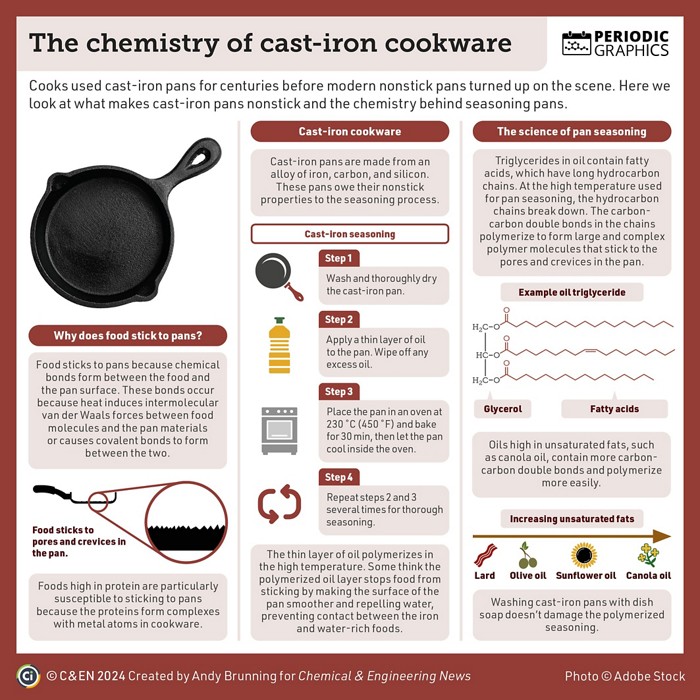
Cast iron pots are made from a mixture of iron and carbon, which makes them incredibly durable and heat-retentive. They can withstand high temperatures and distribute heat evenly, making them perfect for slow-cooking and braising. However, this also means that they can retain odors and flavors, which may be a drawback for some users.
Cast iron pots are typically made from a process called sand casting, where molten iron is poured into a mold and allowed to cool. The resulting pot is then seasoned with oil to create a non-stick surface. This seasoning process involves applying layers of oil to the pot and heating it in the oven until the oil polymerizes and forms a hard, non-stick surface.
Using Cast Iron Pots: A Guide to Safety and Effectiveness
Cast iron pots are incredibly versatile and can be used in a variety of ways:
- Oven roasting: They excel at slow-cooking meats and vegetables to perfection.
- Stovetop cooking: They’re ideal for sautéing, browning, and simmering sauces.
- Barbecue grilling: Their cast iron construction makes them perfect for adding a smoky flavor to grilled meats and vegetables.
Do Cast Iron Pots Interact with Induction Cooktops?
Yes, cast iron pots are compatible with induction cooktops. This is because they contain ferromagnetic materials that can respond to the magnetic fields generated by the cooktop. However, it’s essential to note that not all cast iron pots are created equal, and some may require more extensive preparation before use on an induction cooktop.
Avoiding Common Mistakes with Cast Iron Pots
To get the most out of your cast iron pot:
- Always use a heat-resistant handle or oven mitts when handling hot pots.
- Avoid using metal utensils, as they can scratch the seasoning and create holes for bacteria to grow.
- Clean your pot regularly, but avoid using harsh chemicals or abrasive cleaners that can strip away the seasoning.
The Benefits of Cast Iron Pots
Cast iron pots have several benefits that make them a popular choice among cooks:
- Heat retention: They distribute heat evenly and retain it for longer periods, making them perfect for slow-cooking.
- Flavor enhancement: The cast iron construction allows flavors to penetrate deeper into the food, resulting in richer and more complex sauces.
- Durable: Cast iron pots are incredibly durable and can last for decades with proper care.
The Drawbacks of Cast Iron Pots
While cast iron pots have many benefits, they also have some drawbacks:
- Prying open: The weight of the pot can make it difficult to pry open after cooling.
- Scratching: Metal utensils can scratch the seasoning, creating holes for bacteria to grow.
- Rust: If not properly seasoned or maintained, cast iron pots can rust.
Frequently Asked Questions
Here are some frequently asked questions about using cast iron pots:
- Are cast iron pots safe to use?
- Yes, cast iron pots are safe to use when properly seasoned and maintained.
- How do I clean a cast iron pot?
- Clean your cast iron pot regularly with mild soap and water, then dry it thoroughly before storing.
- Can I use metal utensils in my cast iron pot?
- Avoid using metal utensils, as they can scratch the seasoning and create holes for bacteria to grow.
- How do I prevent rust on my cast iron pot?
- Dry your cast iron pot thoroughly after cleaning and apply a thin layer of oil to protect it from moisture.
Tips for Seasoning and Maintaining Cast Iron Pots
Seasoning is an essential part of maintaining your cast iron pot:
- Apply a thin layer of oil to the pot before heating it in the oven.
- Use a high-heat setting (around 400°F) to polymerize the oil and create a hard, non-stick surface.
- Reapply seasoning every few months or after cleaning.
Using Cast Iron Pots for Specific Recipes
Cast iron pots are incredibly versatile and can be used in a variety of recipes:
- Braising: Use your cast iron pot to slow-cook meats and vegetables in liquid.
- Roasting: Roast your favorite meats and vegetables in the oven using your cast iron pot.
- Stir-frying: Use your cast iron pot for stir-fries, where high heat and quick cooking times are essential.
The History of Cast Iron Pots
Cast iron pots have been used by cooks for centuries. In ancient China, cast iron cookware was used to make soup and stew, while in Europe, it was used for frying and boiling food.
In the United States, cast iron pots were a staple in many kitchens during the 19th century. They were often passed down from generation to generation and became an iconic symbol of American cooking.
Conclusion
Cast iron pots are an excellent choice for cooks who want to add depth and complexity to their dishes. By understanding their properties, uses, and potential drawbacks, you can make the most out of these incredible cooking vessels. Whether you’re a seasoned chef or a beginner cook, cast iron pots are sure to become your new favorite kitchen companion.


