
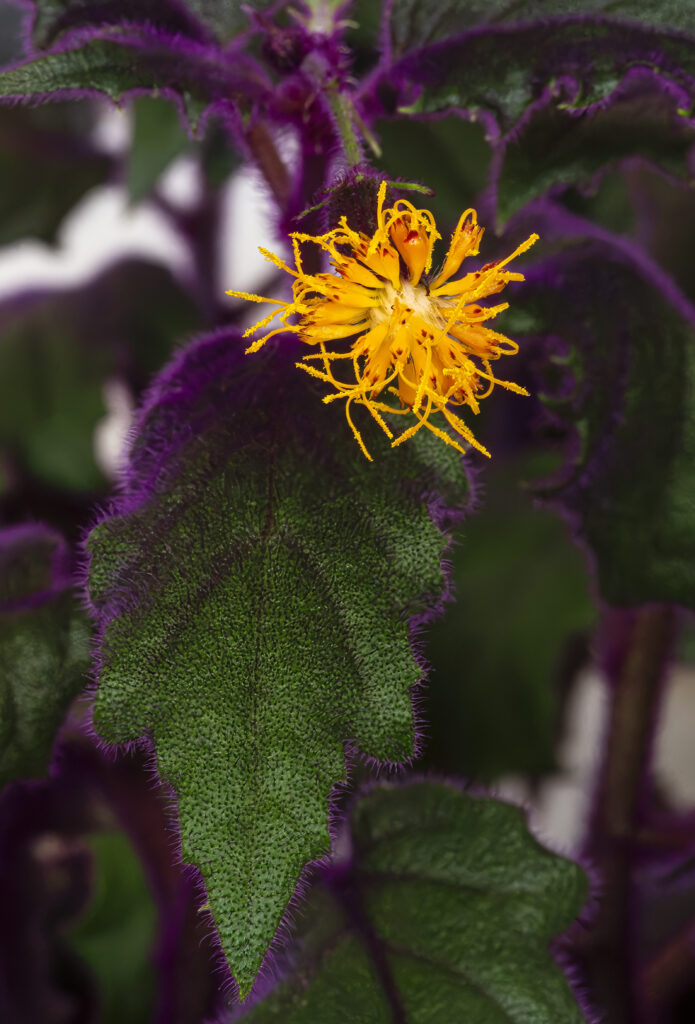
As a seasoned gardener, you’re likely familiar with the concept of perennials that can thrive in various environments. One such plant is Gynura, a perennial herbaceous plant with a vining habit. In this article, we’ll delve into the characteristics, growth habits, and care requirements of Gynura to help you successfully cultivate this beautiful plant.
What is Gynura?
Gynura is a member of the Asteraceae family, native to Asia and widely distributed in tropical regions such as India and Indonesia. The most commonly cultivated species in Europe and Italy is Gynura aurantiaca, known for its striking orange-red foliage and semi-leggy stems.
Characteristics of Gynura
- Foliage: Lance-shaped leaves with broad, deeply toothed margins and a vibrant orange-red color.
- Stems: Semi-woody stems that can grow up to 3 feet long, making it ideal for hanging baskets or trellises.
- Flowers: Small, unnoticeable flowers in the summer months, often accompanied by a pungent, unpleasant odor. These flowers are essential for seed production and should be removed promptly.
Growing Gynura: Tips and Tricks
To grow Gynura successfully, follow these simple guidelines:
Exposure
- Lighting: Provide bright, indirect light. Direct sunlight can cause scorching of leaves.
- Temperature: Maintain a temperature range of 18-21°C (64-70°F). Avoid temperatures below 10°C (50°F).
Soil and Watering
- Soil: Use well-draining potting mix with added compost, peat moss, and perlite for optimal drainage.
- Watering: Keep the soil consistently moist but not waterlogged. Reduce watering during autumn and winter months.
Propagation
To multiply Gynura plants, follow these steps:
- Pruning: Cut stems to a length of 8-12 inches (20-30 cm) using clean, sharp pruning tools.
- Dipping in Rooting Hormone: Apply rooting hormone powder or liquid to the cut ends.
- Soaking in Water: Submerge the cuttings in water for 24 hours before planting.
- Planting: Plant the rooted cuttings 1-2 inches (2.5-5 cm) deep in a well-draining potting mix.
Common Pests and Diseases
- Coccinigia cottonosa: A common pest that feeds on the plant’s stems, leaves, and base.
- Root rot: Caused by overwatering, leading to yellowing leaves and wilting.
- Leaf spot: Caused by fungal infections, resulting in small, circular spots with a brown center.
Conclusion
Growing Gynura requires attention to its specific needs, including bright indirect light, well-draining soil, and regular watering. With proper care, this beautiful plant can thrive and add a touch of elegance to your indoor or outdoor space.
Frequently Asked Questions
- Q: How often should I water my Gynura?
- A: Keep the soil consistently moist but not waterlogged.
- Q: Can I grow Gynura outdoors?
- A: Yes, provide bright indirect light and protect from frost.
- Q: What is the best way to propagate Gynura?
- A: Use stem cuttings with rooting hormone powder or liquid.
- Q: Can I grow Gynura in a container?
- A: Yes, use a well-draining potting mix and keep it consistently moist.
- Q: How often should I fertilize my Gynura?
- A: Fertilize once a month with a balanced fertilizer during the growing season.
- Q: What is the ideal temperature for growing Gynura?
- A: Maintain a temperature range of 18-21°C (64-70°F).
- Q: Can I grow Gynura in low light conditions?
- A: No, provide bright indirect light to maintain leaf color and prevent wilting.
- Q: How often should I prune my Gynura?
- A: Prune regularly to maintain shape and promote healthy growth.
By following these guidelines and tips, you can successfully grow Gynura in your home or garden. Remember to provide the right amount of light, water, and nutrients, and be prepared to address potential pests and diseases. With patience and dedication, you’ll be able to enjoy this beautiful plant for years to come.
In addition to providing a unique aesthetic, growing Gynura can also have various benefits for your mental health and well-being. Studies have shown that being around plants can reduce stress levels, improve mood, and even boost cognitive function. By incorporating Gynura into your garden or indoor space, you’ll not only enjoy its beautiful foliage but also reap the rewards of a more relaxing and calming environment.
Overall, growing Gynura is a rewarding experience that requires attention to detail and care. However, with the right guidance and resources, anyone can successfully cultivate this stunning plant.


