
Are you considering installing a home solar power system, but wondering if it’s worth the investment? The answer lies in understanding the benefits and challenges of going solar. In this article, we’ll delve into the world of home solar power, exploring its advantages, disadvantages, and what to expect.
What is Home Solar Power?
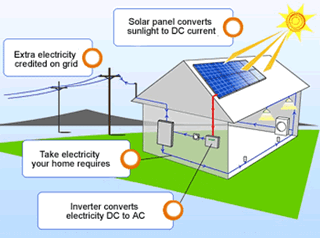
Home solar power systems harness energy from the sun to generate electricity for your home. This renewable energy source can significantly reduce your reliance on traditional grid electricity, saving you money on your utility bills.
The Benefits of Home Solar Power
There are several benefits to installing a home solar power system:
- Energy Savings: By generating your own electricity, you can significantly reduce your energy bills.
- Increased Property Value: A well-installed solar power system can increase the value of your property.
- Environmental Benefits: Solar power is a clean and renewable source of energy, reducing your carbon footprint.
- Low Maintenance: Solar panels require very little maintenance and are designed to last for many years.
- Tax Incentives: Many governments offer tax incentives for homeowners who install solar panels.
Challenges of Home Solar Power
While home solar power has many benefits, there are also some challenges to consider:
- High Upfront Costs: The initial cost of installing a solar power system can be expensive.
- Intermittent Energy Source: Solar power is an intermittent energy source, meaning that it’s not always available when you need it.
- Space Requirements: Solar panels require a certain amount of space to generate electricity effectively.
- Battery Costs: While battery costs have decreased significantly in recent years, they are still a significant expense for some homeowners.
How Much Does Home Solar Power Cost?
The cost of home solar power systems varies depending on several factors, including:
- System Size: The size of the system will affect the overall cost.
- Type of System: The type of solar panel and inverter used can impact the cost.
- Installation Costs: The installation costs, including labor and materials, will add to the total cost.
How Long Does it Take for Home Solar Power to Pay For Itself?
The payback period for home solar power systems varies depending on several factors, including:
- System Size: Larger systems take longer to pay off.
- Energy Savings: The amount of energy saved will impact the payback period.
- Incentives: Government incentives and tax credits can reduce the payback period.
What’s the Average Payback Period for Home Solar Power?
The average payback period for home solar power systems is around 7-10 years. However, this can vary depending on the factors mentioned earlier.
How Do I Get Started with Home Solar Power?
To get started with home solar power, follow these steps:
- Assess Your Energy Needs: Determine how much energy you need to generate.
- Choose a System Size: Select a system size that meets your energy needs.
- Select a Solar Panel Type: Choose a solar panel type that suits your needs.
- Install the System: Hire a qualified installer to install the system.
Conclusion
Home solar power is a viable option for those looking to reduce their energy bills and increase their property value. While there are challenges associated with home solar power, the benefits far outweigh the drawbacks. By understanding the pros and cons of home solar power, you can make an informed decision about whether it’s right for you.
Frequently Asked Questions (FAQs)
- What is the average cost of a home solar power system?
- The average cost of a home solar power system varies depending on several factors, including system size, type of panel, and installation costs.
- How long does it take for home solar power to pay for itself?
- The payback period for home solar power systems varies depending on several factors, including energy savings and incentives.
- What are the benefits of home solar power?
- The benefits of home solar power include energy savings, increased property value, environmental benefits, low maintenance costs, and tax incentives.
Common Home Solar Power System Types
- Grid-Tied Systems: These systems connect to the grid and sell any excess energy back to the utility company.
- Off-Grid Systems: These systems do not connect to the grid and are designed for homes that are located in areas with limited or no access to electricity.
- Hybrid Systems: These systems combine solar power with other renewable energy sources, such as wind power or geothermal energy.
How to Choose the Right Home Solar Power System for Your Needs
- Assess Your Energy Needs: Determine how much energy you need to generate and choose a system size that meets those needs.
- Select a Solar Panel Type: Choose a solar panel type that suits your needs, taking into account factors such as efficiency, durability, and cost.
- Consider System Size: Select a system size that meets your energy needs, considering factors such as space requirements and battery costs.
By understanding the pros and cons of home solar power and choosing the right system for your needs, you can make an informed decision about whether it’s worth investing in a home solar power system.


