
1. Introduction to Social Anxiety
Social anxiety, often referred to as social phobia, is a persistent and noticeable fear of social situations, unlike the typical anxiety experienced during a severe phobia episode. Despite its prevalence, social anxiety should not be underestimated. Recent studies suggest that 3-13% of the population in Europe suffers from social anxiety, mainly affecting women over 30 years old or younger.
Social anxiety is different from other mental health conditions like depression and post-traumatic stress disorder (PTSD). While these disorders can cause significant distress and impairment in daily life, social anxiety primarily affects an individual’s ability to interact with others and engage in social situations. This fear is a persistent and evident concern for social interactions, typically triggered when an opportunity to interact with others is near.
2. Defining Social Anxiety
To understand social anxiety, it’s essential to differentiate it from social phobia. This fear is a persistent and evident concern for social situations, typically triggered when an opportunity to interact with others is near. The thought of being judged, especially if forced to speak in public or express opinions openly, instills intense anxiety.
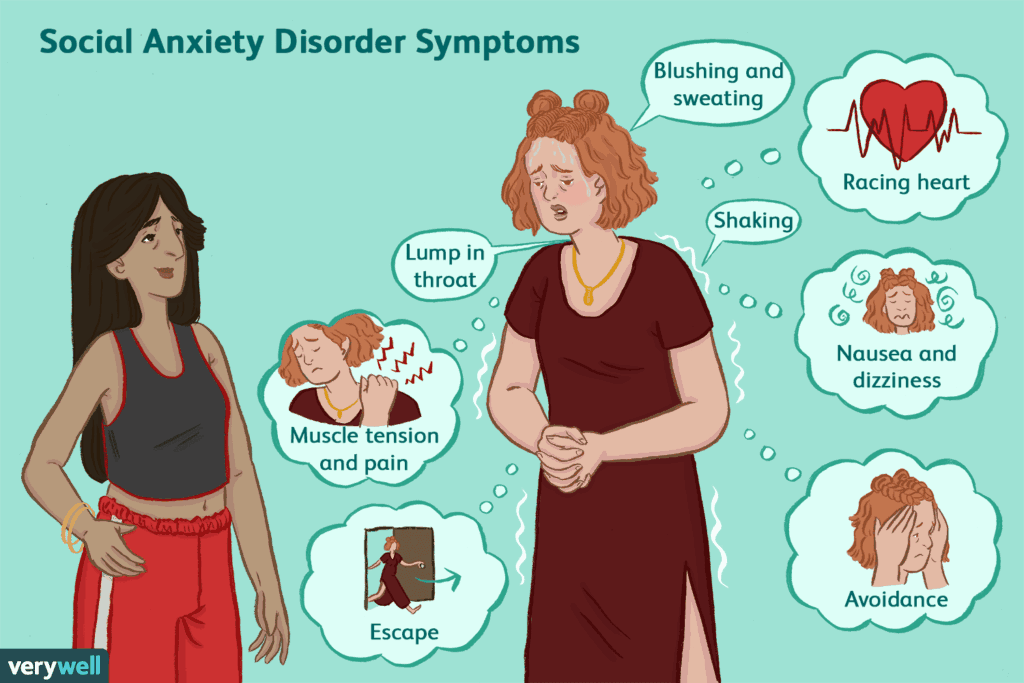
Imagine the feeling of terror at the prospect of being criticized or ridiculed. This fear can lead individuals to overthink and overanalyze social interactions, often resulting in avoidance behaviors. They may worry about appearing weak, foolish, or awkward, which can manifest as physical symptoms like blushing, trembling hands, and a low tone.
3. Causes of Social Anxiety
While the exact causes of social anxiety are still not fully understood, research suggests that certain factors contribute to its development. People with social anxiety often try to avoid situations that trigger their fears, but this avoidance only perpetuates the problem. Additionally, they may employ coping mechanisms like hiding behind masks or avoiding eye contact, which can reinforce their anxious thoughts.
In a desperate attempt to manage their anxiety, individuals may resort to behaviors that ultimately maintain the cycle of distress. For example, they might engage in excessive self-reliance, avoid social media or other public forums where they might interact with others, or even use substance abuse as a coping mechanism.
4. Identifying Social Anxiety
Since there is no objective test for social anxiety, it’s up to each individual to recognize their own struggles with social interactions. Anyone who feels overwhelmed or uncomfortable in social situations might be experiencing social anxiety. Even those who appear confident and outgoing may secretly struggle with these feelings.
The key distinction lies between natural, understandable discomfort and full-blown social anxiety with its negative consequences on relationships, work life, and overall well-being. Identifying social anxiety requires self-reflection and a willingness to acknowledge one’s fears and anxieties.
5. Natural Remedies for Social Anxiety
While seeking professional help is crucial, there are some natural remedies that can aid in managing social anxiety. The quality of sleep plays a significant role, so establishing a consistent sleeping routine can help alleviate symptoms. Practicing the 5 Tibetans meditation technique consistently can also help reduce anxiety.
Additionally, incorporating physical activity into one’s daily routine can be beneficial for reducing stress and anxiety. Exercise has been shown to release endorphins, which are natural mood-boosters that can help alleviate symptoms of social anxiety. Furthermore, incorporating mindfulness practices like deep breathing exercises or yoga can help individuals manage their anxiety in the moment.
6. Treatment and Research for Social Anxiety
Researchers and mental health professionals are working together to develop valid measures for diagnosing and treating social anxiety disorder. The Liebowitz Social Anxiety Scale (LSAS) is one of the most widely used assessments, which evaluates an individual’s symptoms and provides a clear diagnosis.
Cognitive-behavioral therapy (CBT), medication, and relaxation techniques like progressive muscle relaxation are effective treatment options for managing social anxiety. A mental health professional can work with the individual to identify triggers, develop coping strategies, and provide support during challenging situations.
7. Books on Overcoming Social Anxiety
Each person’s journey against social anxiety is unique, but finding a suitable approach can be helpful. For inspiration, consider reading books like “10 Solutions for Conquering Shyness and Social Anxiety” by Martin M. Antony. This book provides practical advice and strategies for managing social anxiety, including tips on how to build confidence and overcome avoidance behaviors.
Another recommended resource is “The Social Skills Guidebook: How to Read People and Communicate Effectively” by Chris MacLeod. This comprehensive guide covers essential skills like active listening, assertiveness, and conflict resolution, which can help individuals navigate social situations with greater ease and confidence.
8. Conclusion
Social anxiety is a complex condition that requires understanding, patience, and compassion. By recognizing the signs of social anxiety, seeking professional help when needed, and incorporating natural remedies into one’s daily routine, individuals can begin their journey toward overcoming this condition and living a more confident, connected life.
Remember, social anxiety is not a sign of weakness or inadequacy; it’s a treatable mental health condition that requires support and understanding. By sharing our experiences and knowledge with others, we can work together to create a more inclusive and supportive environment for individuals struggling with social anxiety.
FAQs
-
Q: What is social anxiety?
A: Social anxiety is a persistent and noticeable fear of social situations, causing significant distress or impairment in daily life. -
Q: Is social anxiety different from social phobia?
A: While often used interchangeably, social anxiety refers to a specific type of social phobia characterized by excessive fear of being judged or evaluated in public. -
Q: How common is social anxiety?
A: Social anxiety affects approximately 3-13% of the population, particularly women over 30 years old or younger. -
Q: What triggers social anxiety?
A: Common triggers include speaking in public, expressing opinions openly, and being judged by others. -
Q: How can I manage my social anxiety?
A: Establishing a consistent sleep routine, practicing relaxation techniques like the 5 Tibetans meditation, and seeking professional help are effective strategies for managing social anxiety. -
Q: Is social anxiety treatable?
A: Yes, with the right treatment approach, including cognitive-behavioral therapy (CBT) and medication, social anxiety can be effectively managed and overcome. -
Q: Can social anxiety affect relationships?
A: Yes, social anxiety can significantly impact relationships, making it challenging for individuals to form and maintain close connections due to their persistent fear of social situations. -
Q: How do I seek help for social anxiety?
A: Consult with a mental health professional, such as a psychologist or psychiatrist, who specializes in treating social anxiety disorder.


