
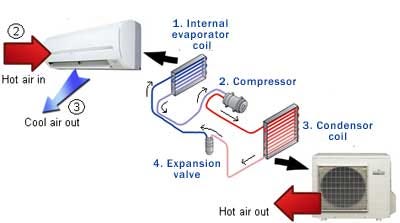
Air conditioners have become a staple in many households and offices, providing relief from the heat. But have you ever wondered how they actually work? In this article, we’ll delve into the world of inverter air conditioners, exploring their technology, benefits, and when to choose them.
The Difference Between On-Off and Inverter Air Conditioners
There are two primary types of air conditioners: on-off and inverter. The main difference between these two lies in how they control airflow. Traditional on-off air conditioners turn on and off at set intervals, using a fixed amount of energy each time.
In contrast, inverter air conditioners use advanced technology to modulate airflow based on the room’s temperature. This means that instead of turning on and off, the compressor adjusts its power output to maintain a consistent temperature. This approach offers several advantages over traditional air conditioners.
How Inverter Air Conditioners Work
An inverter air conditioner works by using a sophisticated control system to regulate the compressor’s power output. When you set the temperature, the system monitors the room’s temperature and adjusts the airflow accordingly. The compressor doesn’t simply turn on and off; instead, it smoothly modulates its power output to maintain the desired temperature.
This approach has several benefits:
- Energy Efficiency: Inverter air conditioners use up to 30% less energy than traditional models.
- Quiet Operation: Since the compressor doesn’t have to work as hard, inverter air conditioners are generally quieter and produce less vibration.
- Longer Lifespan: By maintaining a consistent temperature, inverter air conditioners reduce wear and tear on the compressor and other components.
Comparing On-Off and Inverter Air Conditioners
Traditional on-off air conditioners have some drawbacks. They often:
- Use More Energy: Since they turn on and off at set intervals, on-off air conditioners consume more energy overall.
- Produce Noise: The constant start-and-stop cycle can be noisy and disrupt daily life.
In contrast, inverter air conditioners offer a quieter, more efficient alternative. By modulating airflow, these systems minimize energy waste and reduce noise pollution.
When to Choose an Inverter Air Conditioner
Inverter air conditioners are ideal for households or offices that:
- Use the AC Frequently: If you spend most of your time indoors during hot weather, an inverter air conditioner is a great choice.
- Have Large Spaces: Inverter air conditioners can handle larger spaces more efficiently, making them suitable for bigger homes or offices.
- Want Energy Efficiency: If energy efficiency is a top priority, inverter air conditioners are the way to go.
Calculating BTUs
When selecting an air conditioner, understanding the correct BTU (British Thermal Unit) rating is essential. The BTU calculation depends on the size of your space and how much you want it to cool or heat. A simple rule of thumb is to calculate the square footage of your space and multiply it by a factor based on the cooling or heating needs.
For example, if you have a 12′ x 15′ room (180 sq ft), you’ll need an air conditioner with a minimum BTU rating of around 10,000-12,000 for cooling. When choosing an inverter air conditioner, ensure it’s rated accordingly to maintain the desired temperature and optimize energy efficiency.
Frequently Asked Questions
Here are some common questions about inverter air conditioners:
- How long do inverter air conditioners last?
Inverter air conditioners typically last longer than traditional models, with a lifespan of around 15-20 years. - Can I use an inverter air conditioner in my attic or basement?
Yes, but ensure it’s properly sized and installed for the space to avoid overcooling or overheating. - Do inverter air conditioners make more noise than traditional models?
Inverter air conditioners are generally quieter due to their smooth operation and reduced vibration. - Are inverter air conditioners more expensive upfront?
While inverter air conditioners may be more expensive initially, they offer significant energy savings over time and can last longer than traditional models. - Can I use an inverter air conditioner for heating purposes as well?
Some inverter air conditioners come with heat pump capabilities, allowing you to use the same unit for both cooling and heating.
Types of Inverter Air Conditioners
There are several types of inverter air conditioners available, each with its unique features and benefits. Some popular options include:
- Split-Type Inverters: These units consist of an indoor and outdoor compressor, allowing for more efficient cooling.
- Window Units: Compact and energy-efficient, window units are ideal for smaller spaces.
- Portable Air Conditioners: Great for temporary or seasonal use, portable air conditioners can be moved from room to room.
Inverter Air Conditioner Features
When shopping for an inverter air conditioner, consider the following features:
- Energy Efficiency Rating: Look for units with high energy efficiency ratings (e.g., Inverter-driven compressors).
- Noise Level: Some units have specialized noise reduction systems or silent modes.
- Air Purification: Some models come with built-in air purification systems to improve indoor air quality.
- Smart Technology: Many modern inverter air conditioners can be controlled remotely using smartphone apps.
Maintenance and Repair
To ensure your inverter air conditioner runs smoothly, follow these maintenance tips:
- Regularly clean the filter to maintain airflow efficiency.
- Schedule annual professional maintenance for routine checks and repairs.
- Keep the outdoor unit clear of debris and obstructions.
By understanding how inverter air conditioners work and when to choose them, you can make an informed decision about which type of AC is right for your needs.


