
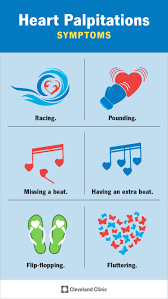
When someone says they have their heart in their throat, it’s often used to describe a feeling of anxiety or agitation. However, the phrase can also be used to describe a physical sensation of palpitations or rapid heartbeat. In this article, we’ll explore the causes and significance of having your heart in your throat, as well as provide guidance on when to seek medical attention.
Understanding Heart Palpitations
When you experience heart palpitations, it’s as if your heart is skipping beats or beating too quickly. This can be a stressful and uncomfortable sensation, but it’s often not a cause for concern. However, in some cases, palpitations can be a symptom of an underlying medical condition.
Causes of Heart Palpitations
There are many potential causes of heart palpitations, ranging from minor to serious. Some common causes include:
- Stress and anxiety: The body’s “fight or flight” response can cause the heart rate to increase, leading to palpitations.
- Caffeine and nicotine consumption: Both caffeine and nicotine are stimulants that can increase heart rate and lead to palpitations.
- Certain medications: Some medications, such as diuretics and decongestants, can cause changes in heart rhythm that may result in palpitations.
- Hormonal changes during menstruation or pregnancy: Fluctuations in hormone levels can affect the heart’s rhythm and lead to palpitations.
- Sleep deprivation: Lack of sleep can disrupt the body’s natural rhythms, including the heart rate, leading to palpitations.
- Eating a large or spicy meal: Consuming food that is high in fat, sugar, or salt can cause an increase in heart rate and lead to palpitations.
In some cases, palpitations can be a symptom of a more serious underlying condition, such as:
- Anemia: A lack of red blood cells can cause the heart to work harder, leading to palpitations.
- Thyroid disorders (e.g., hyperthyroidism): An overactive thyroid gland can cause an increase in heart rate and lead to palpitations.
- Heart conditions, such as arrhythmias or heart failure: These conditions can affect the heart’s rhythm and lead to palpitations.
When to Seek Medical Attention
While palpitations can often be a minor issue, there are times when you should seek medical attention. If you experience any of the following symptoms, consult with your doctor:
- Shortness of breath: This is a sign that your body is not getting enough oxygen and may indicate an underlying respiratory or cardiac condition.
- Chest pain or discomfort: Pain in the chest can be a sign of a heart attack or other serious medical conditions.
- Fainting or dizziness: These symptoms can indicate a lack of blood flow to the brain and require immediate medical attention.
- Severe anxiety or panic attacks: While anxiety and panic attacks can cause palpitations, they should not be ignored. If you experience severe or persistent anxiety, consult with your doctor for proper diagnosis and treatment.
- A history of heart disease or other serious medical conditions: If you have a pre-existing condition, it’s essential to monitor your heart closely for any signs of complications.
In addition to these specific symptoms, it’s essential to pay attention to any changes in your heartbeat. If you notice that your palpitations are:
- Persistent and persistent
- Increasing in severity or frequency
- Accompanied by other concerning symptoms, such as chest pain or shortness of breath
Understanding Anxiety
Anxiety is a common cause of heart palpitations. When we’re anxious, our body’s “fight or flight” response is triggered, causing the heart rate to increase and lead to palpitations. In some cases, anxiety can be a symptom of an underlying condition, such as depression or post-traumatic stress disorder (PTSD).
Managing Anxiety
There are several ways to manage anxiety and alleviate heart palpitations:
- Deep breathing exercises: Taking slow, deep breaths can help calm the body and reduce anxiety.
- Progressive muscle relaxation: This technique involves tensing and relaxing different muscle groups in the body to release tension and promote relaxation.
- Mindfulness meditation: Practicing mindfulness techniques, such as focusing on the present moment and letting go of worries about the past or future, can help reduce anxiety and alleviate heart palpitations.
- Exercise: Regular exercise can help reduce stress and anxiety, while also improving cardiovascular health.
Lifestyle Changes
Making lifestyle changes can also help alleviate heart palpitations. Some suggestions include:
- Eating a healthy diet: A diet rich in fruits, vegetables, whole grains, and lean protein sources can help improve cardiovascular health.
- Avoiding stimulants: Reducing or eliminating caffeine and nicotine can help reduce heart rate and alleviate palpitations.
- Getting enough sleep: Aim for 7-8 hours of sleep per night to help regulate the body’s natural rhythms and reduce stress.
- Managing stress: Engaging in activities that promote relaxation, such as yoga or meditation, can help manage stress and alleviate heart palpitations.
Natural Remedies
There are several natural remedies that may help alleviate heart palpitations. Some options include:
- Herbal supplements: Certain herbs, such as passionflower and kava, have been shown to reduce anxiety and alleviate heart palpitations.
- Aromatherapy: Inhaling essential oils, such as lavender or chamomile, can promote relaxation and reduce stress.
- Acupuncture: This ancient Chinese practice involves inserting small needles into specific points on the body to stimulate healing and reduce stress.
Conclusion
Having your heart in your throat can be a stressful and uncomfortable sensation, but it’s often not a cause for concern. By understanding the potential causes of palpitations and knowing when to seek medical attention, you can take steps to manage your anxiety and promote overall well-being.
Frequently Asked Questions (FAQs)
- What is the difference between heart palpitations and a heart attack?
- Heart palpitations are a common symptom of an underlying condition, while a heart attack is a medical emergency that requires immediate attention.
- Can stress cause heart palpitations?
- Yes, stress can cause heart palpitations in some individuals. If you experience frequent or persistent palpitations, consult with your doctor to rule out any underlying medical conditions.
- How long do palpitations last?
- Palpitations can vary in duration, ranging from a few minutes to several hours. In most cases, they resolve on their own without treatment.
- Can I manage heart palpitations at home?
- Yes, there are several lifestyle changes and natural remedies that can help alleviate heart palpitations. Consult with your doctor before trying any new treatments or therapies.
- Are heart palpitations a sign of an underlying medical condition?
- In some cases, yes. Heart palpitations can be a symptom of an underlying medical condition, such as arrhythmias or heart failure. If you experience persistent or severe palpitations, consult with your doctor to rule out any underlying conditions.
By understanding the causes and significance of heart palpitations, you can take steps to manage your anxiety and promote overall well-being.


