
Are you curious about drying your car? With the drying of cars, it’s possible to achieve various benefits, both environmentally and in terms of quality. The result of a car wash with water is often better than traditional washing methods.
Car drying allows for significant water savings immediately, plus car cleaning products without water are usually eco-friendly and biodegradable, rich in natural detergents that clean and shine the car’s body without damaging it.
Drying your car results in a more practical solution: who has only a small garage can’t afford to flood it with high-pressure water jets!
With drying, the car is cleaned, polished, and protected. Skeptics may try their first attempt by visiting a car wash that uses dry cleaning methods: in Italy, there are always more and more centers offering dry washing services, you can try them out for the first time and then continue with buying one of many products available on the market to clean your car using DIY drying.
How Does Waterless Car Drying Work?
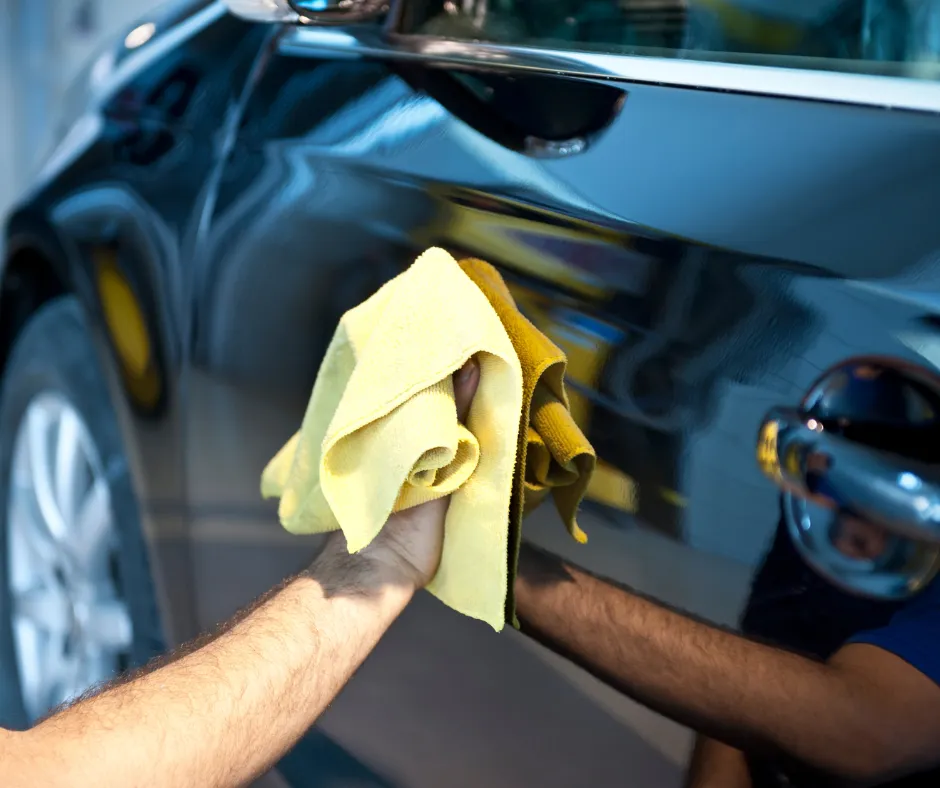
In reality, defining waterless car washing is not entirely accurate: to clean a car, water-based products are used that deionized water is sprayed onto the body and wiped off with microfiber cloths. This solution is rich in natural waxes and eco-friendly soaps that wash away dirt, shine the car’s body, and create a protective layer to protect the car from dust.
Traditional car washing uses between 80 and 160 liters of water, the water-saving advantage of drying is clear, as well as the hygiene benefit for the car: too often, chemical detergents and brushes used for car washing are too aggressive and ultimately ruin the beloved bodywork.
By following these simple steps, you can keep your car clean, shiny, and protected, all while helping to reduce our environmental impact.
Benefits of Waterless Car Drying
• Water Conservation: One of the most significant advantages of drying is that it saves water. Even a small car wash requires gallons of water, which is not available in every household.
• Eco-Friendly: The products used for drying are usually eco-friendly and biodegradable, making them a more environmentally friendly option than traditional washing methods.
• Less Damage to the Car: Waterless drying reduces the risk of water spots, corrosion, and damage to the car’s bodywork.
• Cost-Effective: Drying is a cost-effective solution for car owners who want to keep their vehicles clean without breaking the bank.
Getting Started with Waterless Car Drying
If you’re new to drying your car, consider visiting a dry wash center in your area. Many car washes now offer waterless drying services, which are just as effective as traditional washing methods. After trying out a dry wash center, you can purchase waterless cleaning products and continue to dry your car yourself.
Tips for Waterless Car Drying
• Choose the Right Products: Look for eco-friendly and biodegradable cleaning products that are specifically designed for drying cars.
• Use Microfiber Cloths: Microfiber cloths are ideal for wiping down the car’s body, as they absorb dirt and water easily.
• Avoid Using High-Pressure Washes: Avoid using high-pressure washes, which can damage the car’s bodywork.
• Regular Maintenance: Regularly washing and drying your car will help to keep it looking its best.
Frequently Asked Questions
Q: Is waterless car drying safe for all types of cars?
A: Yes, waterless car drying is safe for all types of cars. It’s a gentle method that won’t damage the paint or other surfaces.
Q: How often should I dry my car?
A: You should dry your car regularly to keep it looking its best. The frequency will depend on how often you drive and how dirty your car gets.
Q: Can waterless car drying be used for all types of vehicles?
A: Yes, waterless car drying can be used for all types of vehicles, including sedans, SUVs, trucks, and motorcycles.
Q: Is waterless car drying more expensive than traditional washing methods?
A: In the long run, waterless car drying is often less expensive than traditional washing methods. You’ll save money on water bills and reduce your carbon footprint.
Q: Can I use household cleaning products for waterless car drying?
A: No, it’s not recommended to use household cleaning products for waterless car drying. They may be too harsh for the car’s surfaces and can damage the paint or other materials.
Q: How do I store my car drying supplies?
A: You should store your car drying supplies in a cool, dry place to keep them fresh and effective.
Q: Can I use waterless car drying on hot cars?
A: Yes, you can use waterless car drying on hot cars. In fact, it’s often recommended for hot cars, as it will help to prevent water spots from forming.
Q: Is waterless car drying a good option for commercial vehicles?
A: Yes, waterless car drying is an excellent option for commercial vehicles. It’s a cost-effective and efficient way to keep your fleet looking its best while reducing your environmental impact.
The Benefits of Eco-Friendly Cleaning Products
Eco-friendly cleaning products are made from natural ingredients that are biodegradable and non-toxic. These products are designed to clean surfaces without harming the environment or human health. When it comes to waterless car drying, eco-friendly cleaning products are a must-have. They provide a gentle yet effective way to clean your car’s body, reducing the risk of damage and preserving its original finish.
The History of Waterless Car Drying
Waterless car drying has been around for decades, but it gained popularity in recent years as concern about water conservation and environmental impact grew. The first dry cleaning methods were developed in the 1950s by a German chemist who created a soap-free formula that could clean surfaces without using water.
In the 1970s and 1980s, dry cleaning methods became more widespread, but they were often expensive and not widely available. It wasn’t until the 1990s and 2000s that eco-friendly drying products became more popular, making it easier for car owners to switch from traditional washing methods.
Today, waterless car drying is a popular option for car owners who want to keep their vehicles clean without harming the environment. With the rise of eco-friendly cleaning products and microfiber cloths, it’s never been easier to dry your car and enjoy its benefits.
The Science Behind Waterless Car Drying
Waterless car drying works by using a combination of natural waxes and eco-friendly soaps that absorb dirt and water easily. These products are designed to clean surfaces without leaving behind residue or streaks. When you apply these products to your car’s body, they form a thin layer that repels water and prevents it from penetrating the surface.
In addition, microfiber cloths play an important role in waterless car drying. Microfiber cloths are made from synthetic fibers that are incredibly fine and absorbent. They can absorb up to 7 times their weight in liquid, making them ideal for wiping down surfaces without leaving behind streaks or residue.
Conclusion
Drying your car is a simple yet effective way to keep it clean, shiny, and protected. With the benefits of waterless car drying, including water conservation, eco-friendliness, and cost-effectiveness, it’s no wonder that this method has gained popularity in recent years.
By following these tips and using eco-friendly cleaning products and microfiber cloths, you can enjoy the benefits of waterless car drying while keeping your vehicle looking its best. Whether you’re a busy professional or an environmentally conscious car owner, waterless car drying is a solution worth considering.
So why not give it a try? Visit a dry wash center in your area, purchase eco-friendly cleaning products and microfiber cloths, and start drying your car today!


