
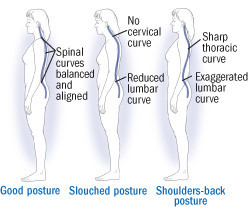
Back pain due to posture is a common issue that affects people of all ages, backgrounds, and professions. It’s estimated that over 80% of adults experience back pain at some point in their lives, with poor posture being one of the primary causes. In this article, we’ll delve into the world of back pain caused by posture, exploring its symptoms, treatment options, and remedies.
Understanding Back Pain Due to Posture
Back pain due to posture is often a result of prolonged sitting or standing, which can lead to muscle imbalances, joint misalignment, and other structural issues. This type of pain can be acute or chronic, and it’s essential to address the underlying causes to prevent further complications.
Symptoms of Back Pain Due to Posture
Back pain due to posture can manifest in various ways, including:
- Lumbalgia: Pain that affects a horizontal zone from D12 to the buttocks
- Lombosciatalgia: Pain that affects both upper and lower limbs
- Dorsalgia: Pain that affects the entire dorsal region of vertebrae
- Cervicalgia: Pain that affects the cervical section of the spine
Analyzing Back Pain
When experiencing back pain, it’s crucial to analyze its aspects, including:
- Sports injuries
- Surgical procedures
- Rehabilitative exercises
- Daily habits and nutritional factors
- Psychological stress
A comprehensive analysis will help identify the underlying causes of your back pain and determine the best course of treatment.
The Role of Kinetic Chains
Our bodies are complex systems, and back pain due to posture can be attributed to the kinetic chains – a network of muscles responsible for modifying and conditioning posture. These chains include:
- Posterior kinetic chain: Muscles that control movement and stability
- Diaphragmatic chain: Muscles involved in breathing and relaxation
- Transverse kinetic chains: Muscles that stabilize and rotate the spine
Understanding the role of kinetic chains is essential in addressing back pain due to posture.
Treating Back Pain Due to Posture
Treatment for back pain due to posture typically involves a combination of:
- Medication: Pain relief medication, anti-inflammatory agents
- Exercises: Strengthening weak muscles, stretching, and proprioception exercises
- Massage therapy: Relieving tension and promoting relaxation
- Physical therapy: Manual therapy and mobilization techniques
It’s essential to work with a healthcare professional to develop a personalized treatment plan.
Back Pain Due to Posture at Bed
Sleeping on an unsuitable bed or mattress can exacerbate back pain due to posture. Consider:
- Upgrading to a memory foam or lattice-tappetin mattress
- Using supportive cushions and pillows
- Practicing “rolling” techniques when getting up from bed
- Assuming a fetal position during sleep
Remedies for Back Pain Due to Posture
In addition to the suggestions above, you can try:
- Purchasing a sitting orthopedic pillow with a special gel layer (approximately 40 euros on Amazon)
- Using a device that supports the lumbar area and promotes correct posture
- Practicing deep breathing exercises
- Avoiding late-night drinks
Preventing Back Pain Due to Posture
Prevention is key when it comes to back pain due to posture. Here are some tips to help prevent back pain:
- Maintain good posture throughout the day
- Exercise regularly, focusing on strengthening core and back muscles
- Practice good sleeping habits, including using a supportive mattress and pillows
- Avoid heavy lifting or bending
- Take regular breaks to stretch and move around
Common Causes of Back Pain Due to Posture
Back pain due to posture can be caused by a variety of factors, including:
- Poor posture: Slouching or leaning forward can put strain on the back muscles and joints.
- Muscle imbalances: Weak or tight muscles in the back, neck, or core can lead to poor posture and back pain.
- Joint misalignment: Misaligned joints or discs can cause pain and discomfort in the back.
- Nutritional deficiencies: Lack of essential nutrients like calcium, vitamin D, or magnesium can contribute to back pain.
- Psychological stress: Stress and anxiety can exacerbate back pain by tensing up the muscles.
Common Comorbidities
Back pain due to posture often co-occurs with other conditions, including:
- Sciatica
- Scoliosis
- Spinal stenosis
- Herniated discs
- Osteoporosis
Conclusion
Back pain due to posture is a common issue that can be addressed through a combination of treatment options. By understanding the causes, symptoms, and treatment options, you can take steps towards a healthier, more comfortable life.
Frequently Asked Questions
- What are the most common causes of back pain due to posture?
Back pain due to posture is often caused by prolonged sitting or standing, muscle imbalances, joint misalignment, and other structural issues. - How can I prevent back pain due to posture?
Prevention involves maintaining good posture, exercising regularly, and addressing underlying causes such as poor sleeping habits and nutritional deficiencies. - What are the symptoms of lumbalgia?
Lumbalgia affects a horizontal zone from D12 to the buttocks, causing pain that radiates down the lower back. - How can I treat lombosciatalgia?
Treatment for lombosciatalgia typically involves a combination of medication, exercises, and physical therapy. - What is the role of kinetic chains in treating back pain due to posture?
Kinetic chains are essential in addressing back pain due to posture, as they control movement and stability, breathing, and relaxation. - How can I alleviate back pain caused by poor sleeping habits?
To alleviate back pain caused by poor sleeping habits, try upgrading to a supportive mattress, using pillows that promote correct alignment, and practicing “rolling” techniques when getting up from bed. - Can back pain due to posture be treated with exercise alone?
Exercise is an essential component of treating back pain due to posture, but it may not be enough on its own. A comprehensive treatment plan should include medication, physical therapy, and lifestyle modifications. - How can I prevent back pain due to posture at bed?
Prevention involves maintaining good sleeping habits, using supportive pillows and cushions, and avoiding late-night drinks.
Remember, addressing back pain due to posture requires a comprehensive approach that includes treatment options, lifestyle modifications, and preventative measures.


