
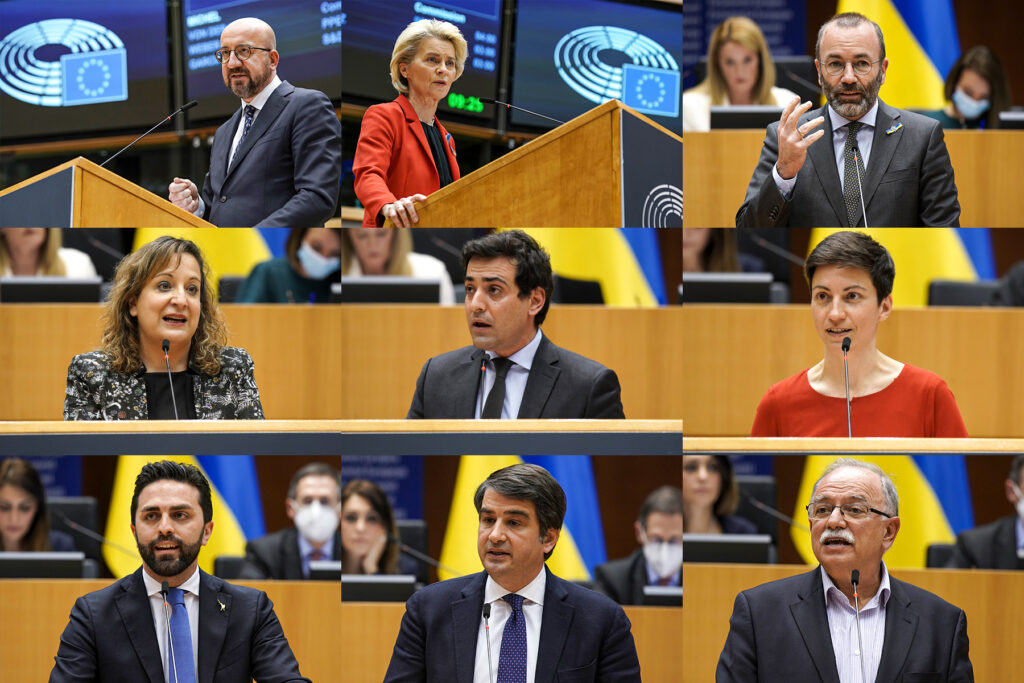
In recent weeks, we have seen a significant discussion about energy independence in the European Union. This is largely due to a series of international events, including the ongoing conflict between Russia and Ukraine, which has highlighted the EU’s dependence on Russian gas and its vulnerabilities.
This article will explore what weaknesses the EU faces in this area, as well as the actions taken and opportunities for further transitioning away from fossil fuels.
Content
1. The Economic and Geopolitical Context
The European Union is at the center of a complex economic and geopolitical storm. Over the past 12 months, energy prices have consistently increased, rising by 30% for electricity and 65% for natural gas. The reasons behind this sustained growth include the rebound in global demand following the lockdowns of 2020 and 2021, which led to an increase in energy consumption. However, the supply of gas was already low due to cold winters in Europe and difficulties from renewable sources. China’s economic revival was particularly pronounced, leading to a significant surge in global energy demand before other Western countries. Additionally, strong periods of frost in Asia and North America during the first quarter of this year, followed by heatwaves in Asia and droughts in various regions, further reduced the world’s natural gas supply.
The ongoing Russia-Ukraine conflict has also added to these factors, with Moscow threatening to cut off gas supplies to the EU through the Nord Stream pipeline. When markets sensed this risk, energy prices skyrocketed.
2. The EU’s Dependence on Russia
The European Union produces only 39% of its own energy and relies on imports for the remaining 61%. The energy mix is composed of petroleum (36%), natural gas (22%), renewable energy (15%), and nuclear power (13%).
In particular, the EU imports 90% of its natural gas, with Russia being the largest supplier: according to Eurostat, in 2021, Russian gas accounted for more than 45% of Europe’s imports (followed by Norwegian gas, accounting for just 20%). Key countries such as Italy and Germany are particularly reliant on Russian gas, which represents 49% and 46%, respectively, of their domestic gas consumption. Some ex-Yugoslav countries, Finland, and Latvia also import all their gas from Russia. Furthermore, a significant proportion (25%) of Europe’s petroleum imports and (45%) of coal imports come from Russia. Just since the invasion began, Russia has sold over $11 billion worth of energy to the EU.
These figures underscore the extent of the threats posed by Russia and highlight the EU’s energy system’s vulnerability, heavily reliant on a single supplier.
3. The REPowerEU
In response to these challenges, the European Union has developed the REPowerEU strategy, which aims to reduce its dependence on fossil fuels from Russia and accelerate the transition towards renewable energy sources.
In the short term, the plan involves diversifying natural gas supplies by increasing imports from Azerbaijan and liquefied natural gas (LNG) from Qatar and the United States. Additionally, it calls for an increase in gas storage levels across all EU member states to ensure a sufficient supply during the next winter.
To achieve this goal, the Commission recommends tripling the current level of gas storage within the next winter, aiming for at least 90% capacity by November 1st each year (with a minimum of 80% by the first year). Currently, the average is around 25-30%. The proposal will be made available between April and May, with member states encouraged to act swiftly even though the legislative process is ongoing.
4. Containing the Impact of Rising Energy Prices
The REPowerEU also proposes measures to mitigate the effects of increasing energy prices on households and businesses most vulnerable to these increases. It aims to encourage the development of national plans that accelerate the transition towards renewable energy sources, such as installing new wind and solar power plants.
In the medium term, the plan encourages increased production and imports of energy from biomethane and hydrogen, in line with the EU’s climate package, ‘Fit for 55’. Furthermore, it advocates for a sharp reduction in fossil fuel use in buildings, industry, and the energy sector through improved energy efficiency and higher renewable power production.
Energy Rennovables
The REPowerEU also targets increasing production and imports of renewable energy. This includes aiming to install 10 million heat pumps over the next five years. Moreover, it suggests banning the sale of gas-fired boilers entirely, with heating homes relying completely on renewable sources like solar panels and photovoltaics.
However, there is a significant concern regarding simplifying lengthy administrative procedures for renewable energy projects. While the Commission’s proposal to expedite permit issuance is welcome for accelerating the transition, this could potentially undermine biodiversity security unless measures are taken to map and select suitable areas for investment in renewable energy technologies.
Investments in Batteries
In addition, the full potential of renewables can be maximized with significant investments in battery storage technology. This is currently not included in the REPowerEU plan.
Investment in green technologies shares a common challenge: they require substantial use of rare earth materials sourced partly from Russia. The EU will need to seek out new commercial partners for these materials.
Biogas Concerns
Another issue is that increasing biogas production could exacerbate competition for land between food, feedstock, and fuel sources. Most biogas plants cannot operate without additional energy crops or feedstocks, which are often sourced in the same regions affected by climate change.
Furthermore, accelerating biogas production to a level of 10 times current output by 2030 may be premature and detrimental.
Incentivizing Fossil Fuels
The REPowerEU allows for temporary subsidies from revenue generated by EU ETS (Emissions Trading System) market allocations to support high-intensity energy-using businesses. Essentially, the EU is providing subsidies for industrial sectors that are heavily reliant on fossil fuels while energy prices rise.
However, these measures seem counterintuitive to achieving climate neutrality. The REPowerEU can be seen as an ambitious but incomplete step towards decarbonization.
Military Spending
Another significant measure taken by the European Union in response to the Russia-Ukraine conflict is increasing military spending. In March 2022, the European Council adopted a Declaration of Versailles outlining measures to strengthen European sovereignty and implement a new growth model.
In recent weeks, several EU member states have made significant strides in this area, with Germany recording record defense spending levels exceeding the NATO-recommended 2% of GDP threshold. The declaration emphasizes that “the war of aggression by Russia marks an epochal moment in history” for Europe, hence the Union’s decision to take on greater responsibility in security matters.
The plan calls for increased investment in military capabilities across signatory countries and involves a comprehensive analysis of defense spending shortfalls by the Commission. Furthermore, EU states are committed to sending all available resources towards Ukraine via the European Peace Fund, which is worth €5 billion over 2021-2027.
However, this focus on military security poses an apparent contradiction with the goal of carbon neutrality. The weapons industry has a significant environmental impact and could exacerbate Europe’s dependence on fossil fuels, potentially destabilizing regional security under the guise of peace.
The European Union’s response to the crisis highlights the complexities involved in achieving both energy independence and climate neutrality.
Conclusion
In conclusion, the EU is facing significant challenges in terms of energy independence due to its reliance on Russian gas. The ongoing conflict between Russia and Ukraine has highlighted these vulnerabilities and underscored the need for action.
The REPowerEU strategy is a positive step towards reducing dependence on fossil fuels from Russia and accelerating the transition towards renewable energy sources. However, there are concerns regarding simplifying administrative procedures for renewable energy projects, investments in battery storage technology, biogas production, incentivizing fossil fuels, and military spending.
To achieve true energy independence, the EU must address these challenges head-on and work towards increasing its reliance on domestic renewable energy sources, improving energy efficiency, and investing in green technologies. By doing so, it can reduce its dependence on Russian gas, mitigate the impact of rising energy prices, and achieve a more sustainable future for Europe.
Additional Considerations
There are several additional considerations that need to be taken into account when exploring options for increasing energy independence:
- Diversification of energy sources: The EU needs to diversify its energy mix by investing in renewable energy sources, such as solar, wind, and hydroelectric power.
- Energy storage: Investing in energy storage technologies, such as batteries, can help reduce the impact of intermittent renewable energy sources on the grid.
- Grid modernization: Upgrading the grid infrastructure to accommodate the integration of more renewable energy sources is crucial for ensuring a stable and reliable supply of electricity.
- Research and development: Continued investment in research and development is necessary to improve the efficiency and cost-effectiveness of renewable energy technologies.
By addressing these challenges and taking a proactive approach to increasing energy independence, the EU can reduce its reliance on Russian gas, mitigate the impact of rising energy prices, and achieve a more sustainable future for Europe.


