
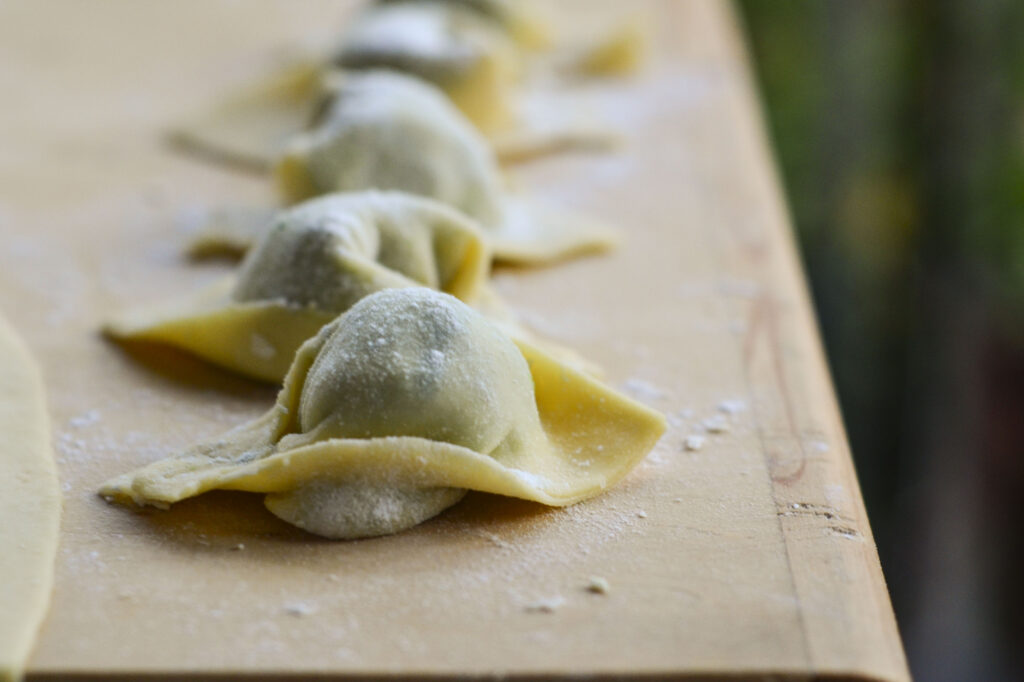
Pansoti, a traditional dish from the beautiful city of Genoa in Italy, has been delighting palates for centuries with its unique combination of fresh pasta, flavorful fillings, and rich walnut sauce.
What Are Pansoti?
The name “pansa” or “panza” in Italian translates to belly, which refers to the characteristic swollen appearance of these traditional Ligurian pastries. Despite being often called pansotti, they are actually a type of fresh pasta filled with various ingredients, making them a staple in Italian cuisine.
A Brief History
The pansoti recipe originated in Genoa, where wild herbs were abundant and used in many dishes, including this traditional pastry. The fillings varied depending on the season, but typically consisted of a mix of wild herbs, cheese, and sometimes meat or eggs.
Choosing the Perfect Filling
When it comes to filling your pansoti, you have two main options: using wild herbs or simply bietola (chard). Wild herbs add an incredible depth of flavor, while bietola provides a slightly sweeter taste. You can use any combination of these ingredients to create your own unique flavor profile.
The Classic Walnut Sauce
Walnut sauce is the crowning glory of pansoti, and its preparation requires some skill and patience. The traditional recipe involves grinding walnuts with leaves of majorana and garlic in a mortar and pestle, which creates a smooth and even composition. You can also use a mixer to prepare the walnut sauce, but the mortar and pestle method is considered more authentic.
Preparing the Pansoti
To make pansoti, you’ll need fresh pasta made from eggs or flour. The recipe below shows how to make both types of pasta. Once you have your dough, fill it with your chosen ingredients, such as a mix of wild herbs, cheese, and egg.
For the walnut sauce:
- 200g of walnut kernels
- olive oil (optional)
- 30g of grated Grana Padano cheese
- 2 tablespoons of bread soaked in milk (or whipped cream)
- 20 leaves of majorana
- 1 clove of garlic
- warm water (as needed)
Mixing the ingredients and seasoning with salt, noce moscata, and a pinch of sugar will create a delicious filling.
Tips for Making Pansoti
Here are some helpful tips to keep in mind when making pansoti:
- Use high-quality ingredients: Fresh pasta, flavorful fillings, and rich walnut sauce make all the difference.
- Don’t overfill the pasta: This can cause the filling to spill out during cooking, resulting in a messy dish.
- Cook the pansoti until they’re al dente: This ensures that they retain their texture and flavor.
How to Make Pansoti
Here’s a step-by-step guide to making traditional Genovese pansoti:
First, prepare the fresh pasta:
Mix the flour with the whole egg and the yolk (if using) and add a pinch of salt.
Gradually add the water and mix.
Let the dough rest.
Prepare the filling:
Wash the herbs and chop them up.
Mix the herbs with ricotta and grated Grana Padano cheese.
Add the egg and softened butter.
Mix with a sprinkle of noce moscata and salt.
Stretch the pasta until you get a sheet of 2-3mm thickness.
With a rolling pin or a pasta cutter, obtain squares of 8-10 cm per side.
Put a spoonful of filling in the center of each square.
Fold the pasta into a triangle, closing the angles and turning them upwards to get a sort of boat shape, characteristic of pansoti.
For the walnut sauce:
Take the mortar and start working the leaves of majorana and garlic.
Add the walnut kernels and pestle them piece by piece.
Enrich the pesto with cheese, oil, some water and bread soaked in milk (or whipped cream).
Pest until you get a smooth and even composition.
Cooking Pansoti
To cook your pansoti, bring water to a boil and then reduce heat to minimum. Cook for 7-8 minutes or until they float to the surface. Remove them with a slotted spoon and serve immediately, garnished with walnut kernels and leaves of majorana.
Variations and Creativity
While traditional pansoti is a beloved dish, there are many ways to experiment and put your own twist on this classic recipe. Here are some ideas:
- Add some spice: Mix in some red pepper flakes or chili flakes for an extra kick.
- Use different cheeses: Experiment with different types of cheese, such as Parmesan or Gorgonzola, to create unique flavor profiles.
- Add some freshness: Top your pansoti with a sprinkle of fresh parsley or basil for added color and flavor.
- Try different fillings: Experiment with other ingredients, such as prosciutto or mushrooms, to create new and exciting flavors.
Conclusion
Pansoti is a traditional Ligurian dish that’s sure to impress your guests with its unique combination of fresh pasta, flavorful fillings, and rich walnut sauce. With this recipe guide, you’ll be well on your way to creating delicious pansoti that will transport your taste buds to the beautiful city of Genoa.
Frequently Asked Questions
- What is the difference between pansoti and ravioli?
Pansoti are a type of fresh pasta filled with various ingredients, while ravioli are typically filled with ricotta or other cheeses. - Can I use frozen herbs instead of wild herbs?
While it’s possible to use frozen herbs, they won’t have the same depth of flavor as fresh wild herbs. - How do I make walnut sauce from scratch?
To make walnut sauce from scratch, you’ll need to grind walnuts with leaves of majorana and garlic in a mortar and pestle or mixer. - Can I use store-bought pasta instead of making it from scratch?
While it’s possible to use store-bought pasta, the flavor and texture won’t be the same as homemade pasta made with eggs or flour. - How long does pansoti take to cook?
Pansoti typically takes 7-8 minutes to cook, depending on the thickness of the pasta and the desired level of doneness. - Can I serve pansoti with other sauces?
While traditional walnut sauce is a staple in Genovese cuisine, you can experiment with other sauces, such as tomato or pesto, for a different flavor profile. - How do I store leftover pansoti?
To store leftover pansoti, place them on a baking sheet lined with parchment paper and freeze until solid. Transfer the frozen pansoti to an airtight container or freezer bag for up to 3 months. - Can I make pansoti in advance?
While it’s best to cook pansoti fresh, you can prepare the dough and filling ahead of time and store them in the refrigerator overnight.
Pansoti Pairings
Pansoti is a versatile dish that can be paired with a variety of ingredients to create delicious and memorable meals. Here are some ideas for pairings:
- Wild herbs and cheese: Combine pansoti with a mix of wild herbs, such as thyme and rosemary, and grated Parmesan cheese for a classic Ligurian pairing.
- Bread and soup: Serve pansoti with a warm bowl of bread soup, or “minestra,” for a hearty and comforting meal.
- Grilled meats: Pair pansoti with grilled meats, such as steak or chicken, for a savory and satisfying combination.
- Fruit and cheese plate: Combine pansoti with a fruit and cheese plate, featuring fresh fruits like strawberries and grapes, and aged cheeses like Parmesan and cheddar.
Conclusion
In conclusion, pansoti is a traditional Ligurian dish that’s sure to delight your taste buds. With its unique combination of fresh pasta, flavorful fillings, and rich walnut sauce, it’s a must-try for any food enthusiast. Whether you’re looking to try new recipes or simply want to experiment with different ingredients, pansoti is the perfect choice.


