
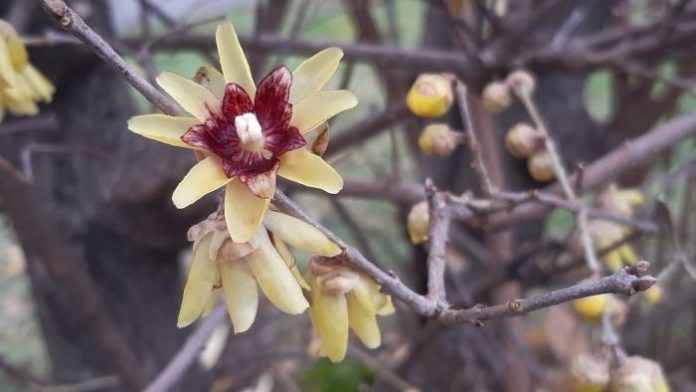
As the seasons change, many gardeners seek out new and exotic plants to add a touch of beauty and fragrance to their outdoor spaces. One such plant that has gained popularity in recent years is the calicantus, also known as Calycanthus floridus. This deciduous shrub can grow quite tall and wide, making it an excellent addition to any garden. In this article, we’ll delve into the world of calicantus, exploring its history, cultivation, care requirements, propagation methods, maintenance needs, common pests, and more.
Understanding Calicantus: A Brief History
Calycanthus floridus is a member of the Calycanthaceae family and is native to the southeastern United States. The plant has been used for centuries in traditional medicine and as a decorative element in gardens. Its unique fragrance and attractive flowers make it a sought-after choice among gardeners and horticulturists.
Choosing the Right Location: Optimal Growing Conditions
When it comes to planting calicantus, it’s essential to choose a location that provides partial shade. While full sun can still work well, the plant may not grow as tall and robust as it would in a shadier spot. Additionally, protecting the plant from harsh winds is crucial, as this can damage its growth during the spring season.
In terms of temperature, calicantus prefers a range of 60°F to 90°F (15°C to 32°C). Avoid planting the shrub in areas with standing water or where water tends to collect, as this can lead to root rot and other problems.
Selecting the Right Soil: Key Nutrient Requirements
Calicantus prefers well-draining soil that is rich in nutrients. A mix of clay, silt, and sand is ideal for this plant, providing good drainage and aeration. The pH level should be slightly acidic to neutral, ranging from 6.0 to 7.0.
If you’re planting multiple calicantus shrubs, make sure to leave at least 35-60 cm (14-24 inches) between each plant for optimal growth. Adding a layer of compost can also help promote healthy drainage and provide essential nutrients.
Propagation Methods: Seeds, Cuttings, and Grafting
Calicantus can be propagated using either seeds or cuttings (called polloni). While seeds are a natural option, they may not produce plants with the same fragrance as the parent plant. Cuttings, on the other hand, are a more reliable method of propagation, but you’ll need to choose a grafted variety that has an intense aroma.
To propagate calicantus using cuttings, take 6-8 inch (15-20 cm) sections from the stem and remove lower leaves. Dip the cut end in rooting hormone and plant it in a well-draining mix, keeping it moist until roots develop.
Maintenance Requirements: Watering, Pruning, and Fertilization
Once established, calicantus requires minimal maintenance. Watering is essential, especially during hot summer months. Aim for moderate watering, as overwatering can lead to root rot and other problems.
Pruning after flowering helps maintain the plant’s shape and encourages new growth. Remove any dead or damaged branches to prevent disease and promote healthy growth.
Fertilization is also important, but avoid overfertilizing, as this can damage the plant’s roots and affect its overall health. Feed your calicantus with a balanced fertilizer during the growing season (spring-fall) to promote healthy growth.
Common Pests and Problems: Managing Aphids and Other Issues
While calicantus is generally a healthy plant, it may be susceptible to certain pests and diseases. Aphids are one common problem, particularly on young stems. Regularly inspect your plants for signs of infestation, and take action promptly if necessary.
Other potential issues include overwatering, which can lead to root decay, and sun scorch, especially during hot summer days. Monitor your plant’s response to these conditions and adjust your care routine accordingly.
Conclusion: Cultivating Calicantus in Your Garden
With proper care and attention, calicantus can become a stunning addition to any garden. By understanding its specific needs and requirements, you’ll be well on your way to growing this beautiful plant for years to come.
Whether you’re a seasoned gardener or just starting out, the calicantus is an excellent choice for adding fragrance, beauty, and interest to your outdoor space.
Frequently Asked Questions (FAQs)
- Q: How often should I water my calicantus?
A: Water your calicantus moderately, especially during hot summer months. - Q: Can I grow calicantus in full sun?
A: While calicantus can tolerate some direct sunlight, it prefers partial shade for optimal growth. - Q: How do I propagate calicantus using seeds?
A: Calicantus seeds are best propagated indoors, where they can be sown in a well-draining mix and kept at room temperature until germination. - Q: What type of soil is best for calicantus?
A: A mix of clay, silt, and sand is ideal for calicantus, as it provides good drainage and nutrients. - Q: Can I prune my calicantus after flowering?
A: Yes, pruning your calicantus after flowering helps maintain its shape and encourages new growth. - Q: What are some common pests that affect calicantus?
A: Aphids, spider mites, and scale insects can all be problematic for calicantus. - Q: How often should I fertilize my calicantus?
A: Feed your calicantus with a balanced fertilizer during the growing season (spring-fall) to promote healthy growth. - Q: Can I grow calicantus in containers?
A: Yes, calicantus can be grown in containers, but make sure to use a well-draining mix and provide sufficient sunlight.
Tips for a Healthy Calicantus
- Mulch around the base of your plant to retain moisture and suppress weeds.
- Deadhead spent flowers to encourage new blooms and maintain the plant’s appearance.
- Keep an eye out for pests and diseases, and take action promptly if necessary.
- Prune regularly to maintain shape and promote healthy growth.
- Fertilize sparingly during the growing season, as overfertilization can damage the plant’s roots.
By following these guidelines and tips, you’ll be well on your way to growing a thriving calicantus plant that will bring beauty and fragrance to your garden for years to come.


