
Iodides are compounds made up of iodine and other elements. They are essential in various industries, including medicine and photography. But have you ever wondered what they are used for and how they differ from each other?
In this article, we’ll delve into the world of iodides, exploring their characteristics, applications, and differences between them.
1. Potassium Iodide (KI)
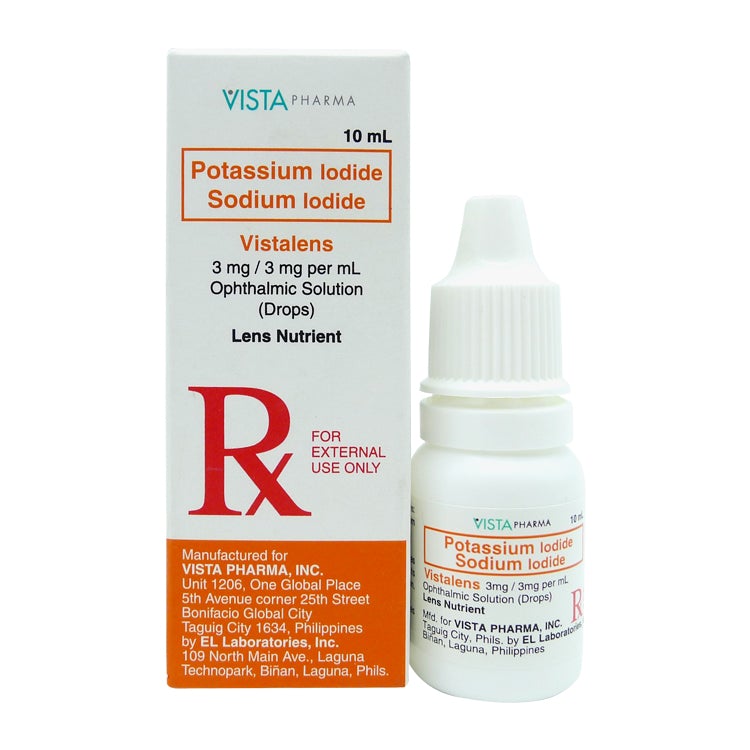
Potassium iodide is a common and important compound in medicine and photography. It’s also used as an antiseptic and a disinfectant. However, it can be toxic if ingested in excess, particularly for the thyroid gland. In medical applications, potassium iodide is sometimes administered to individuals exposed to nuclear radiation.
Potassium iodide has several key properties:
- Antiseptic and Disinfectant: Potassium iodide is used as an antiseptic and disinfectant due to its ability to kill bacteria and fungi.
- Stable and Less Flammable: Potassium iodide is more stable and less flammable than sodium iodide, making it a safer choice for medical applications.
2. Sodium Iodide (NaI)
Sodium iodide is similar to potassium iodide but has different properties. It’s also used as an antiseptic and disinfectant. However, it’s more flammable and unstable than potassium iodide. Sodium iodide is commonly used in photographic films and x-rays.
Sodium iodide has several key properties:
- Flammable and Unstable: Sodium iodide is more flammable and unstable than potassium iodide, making it a less desirable choice for medical applications.
- Used in Photography and X-Rays: Sodium iodide is commonly used in photographic films and x-rays due to its ability to provide high-quality images.
3. Silver Iodide (AgI)
Silver iodide is a photosensitive compound used in both medicine and photography. It’s also an effective disinfectant. Due to its sensitivity to light, silver iodide changes color when exposed to different temperatures. In agriculture, it’s used as a nucleating agent to reduce the size of hailstones.
Silver iodide has several key properties:
- Photosensitive: Silver iodide is highly sensitive to light and can change color in response to temperature changes.
- Disinfectant and Antiseptic: Silver iodide is used as an antiseptic due to its ability to kill bacteria and fungi.
4. Iodine (I-)
The iodine ion is a negatively charged atom with an extra electron. When combined with other elements, it forms iodides. However, in its elemental form, iodine is toxic and should be handled carefully.
Iodine has several key properties:
- Toxic: Iodine can be toxic if ingested in excess or handled improperly.
- Used as a Disinfectant: Iodine is used as a disinfectant due to its ability to kill bacteria and fungi.
5. Lead Iodide (PbI2)
Lead iodide is a sensitive compound that changes color when exposed to light. It’s also highly toxic for reproduction and the environment. Historically, it was used in art to create yellow pigments, but its instability made it unsuitable for this purpose.
Lead iodide has several key properties:
- Sensitive to Light: Lead iodide changes color in response to temperature changes.
- Toxic: Lead iodide is highly toxic for reproduction and the environment.
6. Hydrogen Iodide (HI)
Hydrogen iodide is a strong acid used in organic synthesis and inorganic chemistry. It’s also used as a reducing agent. However, it’s highly corrosive and should be handled with care.
Hydrogen iodide has several key properties:
- Strong Acid: Hydrogen iodide is a strong acid due to its ability to donate protons.
- Used as a Reducing Agent: Hydrogen iodide is used as a reducing agent in organic synthesis and inorganic chemistry.
7. Uses of Iodides
Iodides have various applications across different industries:
- Medicine: Potassium iodide, sodium iodide, silver iodide, and iodine are all used as antiseptics and disinfectants.
- Photography: Silver iodide is used in photographic films and x-rays.
- Agriculture: Silver iodide is used as a nucleating agent to reduce hailstone size.
- Environmental science: Iodine and silver iodide are used to study the environment and monitor pollution.
Conclusion
Iodides are an essential part of our daily lives, with applications in medicine, photography, agriculture, and environmental science. While they have different properties and uses, understanding their characteristics is crucial for utilizing them effectively.
Here are some frequently asked questions about iodides:
- What are the differences between potassium iodide and sodium iodide?
Potassium iodide is more stable and less flammable than sodium iodide. - How is silver iodide used in medicine?
Silver iodide is used as an antiseptic to treat wounds and infections. - Can hydrogen iodide be used for cooking?
No, hydrogen iodide is a strong acid and should not be used for cooking due to its corrosive nature. - Is lead iodide still used today?
Lead iodide is no longer used in art due to its toxicity and instability. - What are the environmental impacts of silver iodide?
Silver iodide can accumulate in the environment and affect ecosystems.
By understanding iodides and their applications, we can harness their power while minimizing potential risks.
Additional Resources
- National Institute of Environmental Health Sciences (NIEHS): Provides information on the environmental health effects of silver iodide.
- MedlinePlus: Offers information on the medical uses of potassium iodide, sodium iodide, and silver iodide.
- United States Geological Survey (USGS): Provides information on the geological properties of lead iodide.
By consulting these resources, you can gain a deeper understanding of iodides and their applications in various fields.


