
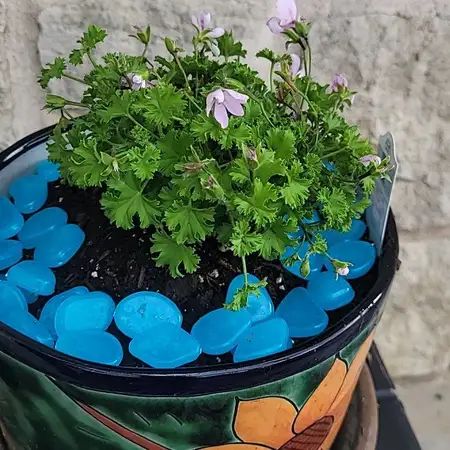
As you stroll through the city streets, admiring the vibrant flowers on balconies and gardens, it’s hard not to feel a pang of jealousy. Those colorful blooms are undoubtedly geraniums! But have you ever wondered how to care for these beautiful plants? In this article, we’ll delve into the world of geranium cultivation, providing you with expert advice on how to bring these lovely flowers to life.
Understanding Geranium Care
Geraniums are low-maintenance plants that thrive in ideal conditions. With proper care, they can provide abundant flowering displays. To get started, let’s explore some essential tips for cultivating geraniums.
Acquiring Healthy Geranium Plants
When purchasing new geranium plants, ensure you inspect them carefully. Look for signs of healthy growth, such as green leaves and buds. Avoid plants with wilted or yellowing leaves, as they may be infested with pests like the geranium leafminer.
When selecting a nursery, choose a reputable seller who can provide healthy seedlings. You can also propagate your own geraniums by dividing established plants or sowing seeds indoors.
Positioning Geraniums for Optimal Growth
Exposure is crucial for optimal growth and flowering. Place your geranium in a south-facing location, even if it’s partially shaded. This will provide sufficient sunlight without exposing the plant to intense heat. If you notice sparse leaves or stunted growth, it may be due to insufficient light.
Consider using mirrors or reflective surfaces to amplify available natural light sources. East- and west-facing windows are also suitable for geraniums, but avoid direct morning sun, which can cause scorching.
Irrigation: The Key to Healthy Geraniums
Maintaining consistent moisture levels is vital for healthy geranium growth. Water your plants daily during the summer months and reduce frequency in winter. Avoid overhead watering, as this can lead to fungal diseases. Instead, water at soil level or use a soaker hose to deliver water directly to the roots.
Water thoroughly, allowing excess water to drain from the pot. Geraniums prefer well-draining soil and may require more frequent watering during prolonged periods of drought.
Fertilizing Geraniums
Geraniums don’t require frequent fertilization, but it’s essential to provide them with a balanced diet. Use a fertilizer containing nitrogen, phosphorus, and potassium, and dilute it according to the manufacturer’s instructions. Apply the fertilizer every 20-30 days after planting.
You can also use organic fertilizers like compost or worm casting, which release nutrients slowly as they break down. Avoid over-fertilizing, as this can cause damage to your plants.
Container-Grown Geraniums
When choosing containers for your geraniums, opt for terracotta pots over plastic ones. Terracotta allows for better air circulation and promotes healthy root growth. Ensure the container is at least 18-20 inches in diameter to accommodate the plant’s natural growth habits. Keep containers spaced at least 2 feet apart.
Consider using self-watering pots or moisture-retentive potting mixes to minimize watering frequency. Geraniums can thrive in small spaces, but provide adequate room for growth and air circulation.
In-Ground Geraniums
For those living in mild climates, cultivating geraniums in full sun can be a rewarding experience. Follow the guidelines outlined in our article on growing geraniums in ground, and you’ll be enjoying vibrant blooms in no time!
Dig a hole twice as wide and just as deep as the container holding your geranium. Add organic matter like compost or well-rotted manure to improve soil fertility.
Scented Geraniums: A Delight for the Senses
Among the various types of geraniums are scented varieties like Pelargonium graveolens, also known as rose-scented geranium. These plants boast deep, incised leaves and produce a fragrant oil from their many glandular hairs.
Scented geraniums require similar care to other varieties, but they can be more sensitive to temperature fluctuations. Keep them away from extreme cold or heat sources to prevent damage.
Pruning Geraniums
Regular pruning is essential for maintaining the health and appearance of your geraniums. Prune after they finish blooming to encourage new growth and prevent legginess.
Use clean, sharp tools when pruning, as dull blades can spread diseases. Remove any dead or damaged leaves, and cut back overgrown stems to promote bushy growth.
Common Problems with Geraniums
Geraniums can be susceptible to various pests and diseases. Keep an eye out for signs of infestation, such as whiteflies, aphids, or spider mites, and treat promptly using organic or integrated pest management methods.
Some common problems include root rot, overwatering, and nutrient deficiencies. Adjust your watering schedule, prune affected areas, and provide balanced fertilization to address these issues.
Pest Control Strategies
To manage pests naturally, use physical barriers like fine-mesh screens to prevent insects from reaching your plants. Encourage beneficial insects by planting companion plants that attract predators of pests.
Spray organic pesticides or neem oil when necessary, following the manufacturer’s instructions for application rates and timing. Use integrated pest management techniques to minimize reliance on chemicals and maintain a balanced ecosystem.
Common Geranium Varieties
Geraniums come in an array of shapes, sizes, and colors, making them suitable for various gardens and arrangements. Some popular varieties include:
- Zonal geraniums: Known for their striking white zones on a bright red background.
- Martha Washington geraniums: Featuring ruffled petals with a soft pink hue.
- Coca leaf geraniums: Displaying vibrant, multicolored blooms and compact growth.
Each variety has its unique characteristics, so choose the one that suits your preferences and growing conditions.
Tips for Young Geranium Growers
If you’re new to growing geraniums, don’t worry! Here are some helpful tips for young geranium enthusiasts:
- Start with seedlings: Purchase established seedlings from reputable nurseries or online sellers.
- Provide sufficient light: Ensure your plants receive at least 4 hours of direct sunlight daily.
- Water carefully: Avoid overwatering, which can lead to root rot and other problems.
- Fertilize regularly: Use a balanced fertilizer every 20-30 days to promote healthy growth.
By following these expert tips and guidelines, you’ll be well on your way to creating a beautiful and thriving geranium garden. Happy growing!
Additional Resources
For more information on caring for geraniums, consider consulting the following resources:
- National Gardening Association: Offers articles, videos, and gardening advice.
- Gardener’s Supply Company: Provides high-quality seeds, plants, and gardening supplies.
- Local nurseries and gardening clubs: Connect with experienced gardeners who can share their expertise and offer support.
By combining these resources with the knowledge shared in this article, you’ll be able to create a stunning geranium garden that brings joy and beauty to your outdoor space.


