
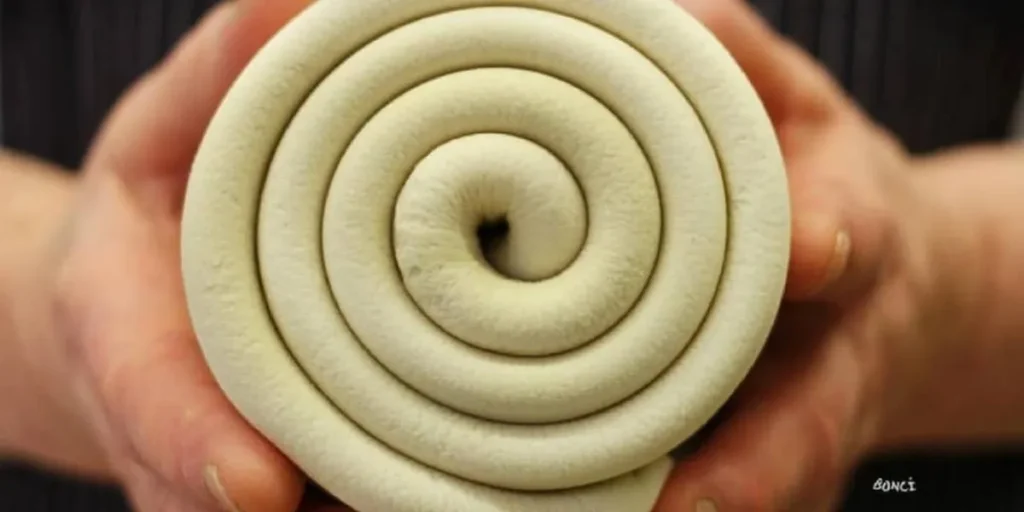
In the world of bread making and pizza dough, there’s a secret ingredient that can elevate your baked goods from ordinary to extraordinary: mother yeast. Also known as natural yeast starter or sourdough starter, mother yeast is a mixture of flour and water that ferments naturally, producing lactic acid and creating a natural leavening agent. In this article, we’ll delve deeper into the world of mother yeast, exploring its benefits, the Bonci method, tips for maintaining your starter, and frequently asked questions.
The Benefits of Mother Yeast
So why use mother yeast instead of commercial yeast? Here are just a few reasons:
- Unique flavor: Mother yeast produces a more complex and nuanced flavor profile compared to commercial yeast. The natural fermentation process creates compounds that contribute to the characteristic tanginess and depth of sourdough bread.
- Better texture: The natural fermentation process creates a chewier, airier crumb and a more tender crust. This is due to the breakdown of starches and proteins during fermentation, which results in a more open structure and improved texture.
- Increased nutrition: The longer fermentation time allows for the breakdown of phytates and other anti-nutrients in grains. This means that mother yeast bread can be a healthier option for those looking to reduce their intake of these compounds.
The Bonci Method: A Step-by-Step Guide
The Bonci method involves creating a starter culture using flour, water, and time. Here’s how to do it:
- Day 1: Mix 50g of flour with 50g of water in a clean glass or ceramic container.
- Day 3: Feed the starter with another 50g of flour and 50g of water. Repeat this process every 24 hours for the next 5 days to create a bubbly, frothy mixture.
- After 10 days: Transfer the starter to a glass jar or container with a loose-fitting lid and store it in the refrigerator.
- Maintenance: Feed the starter once a week by discarding half of the mixture and adding fresh flour and water.
Tips for Maintaining Your Mother Yeast
To keep your mother yeast happy and healthy, here are some tips:
- Store the starter in a cool, draft-free place with a consistent temperature between 68°F and 72°F (20°C to 22°C).
- Always use filtered or bottled water, as chlorine can harm the natural yeast.
- Use a glass or ceramic container, as metal can inhibit fermentation.
Common Mistakes When Making Mother Yeast
Here are some common mistakes to watch out for when making mother yeast:
- Not feeding it often enough
- Using chlorine water
- Not providing a warm environment for fermentation
Conclusion
Making mother yeast is an art that requires patience, dedication, and practice. With the Bonci method, you’ll be on your way to creating a unique and delicious natural yeast starter that will elevate your bread making and pizza dough game. Happy baking!
Frequently Asked Questions
- Q: What’s the difference between mother yeast and commercial yeast?
A: Mother yeast is a natural starter culture made from flour and water, while commercial yeast is a type of microorganism that ferments sugars in bread. - Q: How often should I feed my mother yeast?
A: Once a week, discarding half of the mixture and adding fresh flour and water. - Q: Can I use any type of flour to make mother yeast?
A: No, it’s best to use bread flour or all-purpose flour with a high protein content (12% or higher). - Q: How long does it take to create a healthy mother yeast starter?
A: It typically takes 10 days, but this can vary depending on factors like temperature and feeding schedule. - Q: Can I store my mother yeast in the refrigerator for longer periods?
A: Yes, but make sure to feed it once a week and keep it at room temperature (around 70°F or 21°C) before storing. - Q: What are some common mistakes when making mother yeast?
A: Not feeding it often enough, using chlorine water, or not providing a warm environment for fermentation can harm the starter culture. - Q: Can I make mother yeast with whole wheat flour?
A: Yes, but be aware that whole wheat flour can produce a stronger flavor and more robust starter culture. - Q: How do I know if my mother yeast is healthy and active?
A: It should be bubbly, frothy, and have a sour smell. If it’s not showing any signs of fermentation, discard it and start again.
Getting Started with Mother Yeast
If you’re new to making mother yeast, here are some resources to get you started:
- Books: “Pasta madre” by Simone Castagna or “The Bread Baker’s Apprentice” by Peter Reinhart
- Online Communities: Join online forums like Reddit’s r/ sourdough or r/breadmaking to connect with other bakers and learn from their experiences.
- Social Media: Follow bread making experts and enthusiasts on Instagram, Twitter, or Facebook to stay up-to-date on the latest trends and techniques.
Conclusion
Making mother yeast is an art that requires patience, dedication, and practice. With these tips and resources, you’ll be well on your way to creating a unique and delicious natural yeast starter that will elevate your bread making and pizza dough game. Happy baking!


