
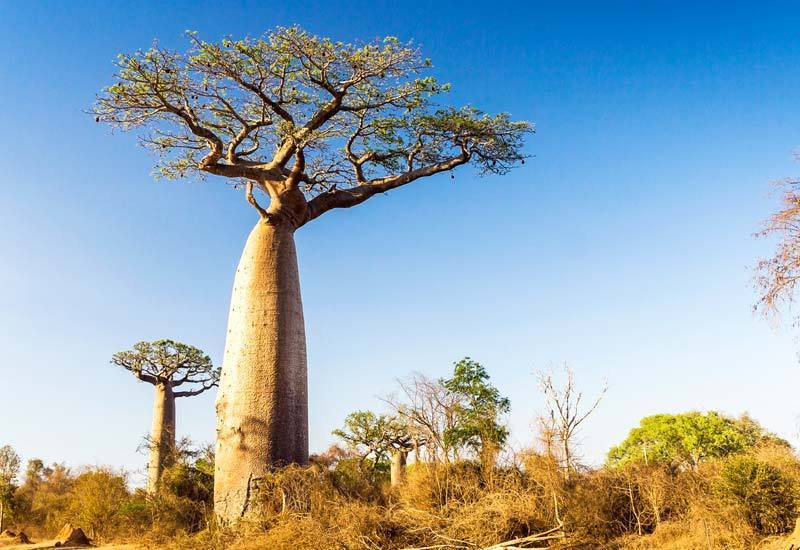
As we gaze at the majestic baobab tree, it’s hard not to be struck by its grandeur. This iconic African tree has been a cornerstone of traditional remedies and local folklore for centuries. But have you ever wondered about the baobab’s fascinating history and incredible benefits? In this article, we’ll delve into the characteristics and fruit of the mighty baobab tree.
A Prehistoric Species
The baobab tree is believed to be one of the oldest living species on Earth, with its roots dating back over 200 million years. It’s a testament to its resilience that it has survived for so long, adapting to its harsh African savanna environment. The tree’s unique ability to absorb and store water during the rainy season allows it to thrive in arid conditions, making it an extraordinary symbol of life and positivity.
A Tree of Life
The baobab tree is known as the “tree of life” due to its numerous benefits for humans and animals alike. Its vast trunk can store up to 32,000 gallons of water, providing a reliable source of hydration during times of drought. The tree’s branches offer shade, food, and shelter from predators, making it an essential component of many African ecosystems.
Growth and Distribution
The baobab tree is native to 32 countries in Africa, covering a significant portion of the continent. Its impressive size can reach up to 30 meters in height and have a circumference of up to 50 meters. Some trees are estimated to live for over 5,000 years, making them a living legacy to previous generations.
A Fruit of Nutritional Value
The baobab fruit is an extraordinary source of nutrients, rich in vitamins, minerals, and antioxidants. The tree’s unique ability to dry its fruit on the branch allows it to preserve its nutritional value, making it an ideal supplement for a healthy diet.
Uses of Baobab Fruit
Each part of the baobab tree is utilized in various ways:
- Bark: can be used as rope or clothing.
- Seeds: are used to produce cosmetics and oils.
- Leaves: are edible and rich in antioxidants.
- Trunks: can store water, providing a natural source of hydration.
- Fruit: dried into a powder, which can be consumed for its numerous health benefits.
A Natural Antioxidant
Baobab fruit contains high levels of vitamin C and fiber, making it an excellent natural antioxidant. Its unique combination of nutrients has been shown to:
- Boost energy levels
- Enhance immune function
- Support digestive health
- Promote healthy skin and reduce signs of aging
The Importance of Baobab in Communities
In Africa, the baobab tree is not just a valuable resource; it’s also a vital part of community life. Each tree is typically owned by a family or community, and its benefits are shared among members. Efforts to promote the cultivation of baobab trees are underway to ensure their continued availability for future generations.
Baobab Powder: A Convenient Supplement
For those looking to reap the benefits of the baobab fruit, powdered forms are available in various markets. This convenient supplement can be added to smoothies, yogurt, or muesli, providing a boost of nutrients and antioxidants.
When using baobab powder, ensure you purchase from reputable sources and consult with your doctor before consumption, especially if you have any pre-existing health conditions.
Conclusion
The mighty baobab tree is more than just an iconic symbol; it’s a living embodiment of life and resilience. Its incredible benefits for human health and well-being make it an essential component of many traditional remedies and local cultures. Whether consumed as powder or fruit, the baobab offers a natural way to boost energy, enhance immune function, and support overall health.
Frequently Asked Questions
- What is the historical significance of the baobab tree?
The baobab tree has been an integral part of African culture for centuries, providing sustenance, shelter, and medicine. - How do you harvest baobab fruit?
Dried fruit can be purchased from markets or consumed as a powder. - What are the benefits of consuming baobab fruit?
Baobab fruit is rich in vitamins, minerals, and antioxidants, providing energy boosts, immune support, and digestive health. - Can I grow my own baobab tree?
Baobab trees require specific conditions to thrive and may not be suitable for all environments. - How do I choose a reputable source of baobab powder?
Research the supplier and read reviews to ensure you’re purchasing high-quality, organic product.
Baobab Tree History
- The baobab tree has been described as “Africa’s lifeblood” due to its importance in traditional medicine.
- In some African cultures, the baobab is considered a symbol of fertility and abundance.
- The tree’s unique ability to store water has made it an essential component of many drought-resistant crops.
Baobab Tree Uses
- Traditional Medicine: Baobab bark, leaves, and roots are used in traditional medicine to treat various ailments, including fever, diarrhea, and wounds.
- Cosmetics: The seeds of the baobab tree are used to produce cosmetics, such as oils, creams, and soaps.
- Food: The fruit, leaves, and bark of the baobab tree can be consumed for their nutritional value.
Baobab Tree Research
- Researchers have identified various compounds in the baobab tree with potential health benefits, including anti-inflammatory and antioxidant properties.
- Studies have shown that the baobab’s unique combination of nutrients may help to boost energy levels, enhance immune function, and support digestive health.
- Further research is needed to fully understand the potential health benefits of the baobab tree.
Conclusion
The mighty baobab tree is a living embodiment of life and resilience. Its incredible benefits for human health and well-being make it an essential component of many traditional remedies and local cultures. Whether consumed as powder or fruit, the baobab offers a natural way to boost energy, enhance immune function, and support overall health.
Frequently Asked Questions
- What is the historical significance of the baobab tree?
The baobab tree has been an integral part of African culture for centuries, providing sustenance, shelter, and medicine. - How do you harvest baobab fruit?
Dried fruit can be purchased from markets or consumed as a powder. - What are the benefits of consuming baobab fruit?
Baobab fruit is rich in vitamins, minerals, and antioxidants, providing energy boosts, immune support, and digestive health. - Can I grow my own baobab tree?
Baobab trees require specific conditions to thrive and may not be suitable for all environments. - How do I choose a reputable source of baobab powder?
Research the supplier and read reviews to ensure you’re purchasing high-quality, organic product.
The Importance of Baobab in Communities
In Africa, the baobab tree is not just a valuable resource; it’s also a vital part of community life. Each tree is typically owned by a family or community, and its benefits are shared among members. Efforts to promote the cultivation of baobab trees are underway to ensure their continued availability for future generations.
Baobab Tree Sustainability
- The sustainable management of baobab trees is crucial to ensuring their long-term viability.
- Efforts to promote reforestation and tree planting can help to maintain biodiversity and ecosystem health.
- Further research is needed to fully understand the impact of human activities on baobab tree populations.
Conclusion
The mighty baobab tree is a living embodiment of life and resilience. Its incredible benefits for human health and well-being make it an essential component of many traditional remedies and local cultures. Whether consumed as powder or fruit, the baobab offers a natural way to boost energy, enhance immune function, and support overall health.
Frequently Asked Questions
- What is the historical significance of the baobab tree?
The baobab tree has been an integral part of African culture for centuries, providing sustenance, shelter, and medicine. - How do you harvest baobab fruit?
Dried fruit can be purchased from markets or consumed as a powder. - What are the benefits of consuming baobab fruit?
Baobab fruit is rich in vitamins, minerals, and antioxidants, providing energy boosts, immune support, and digestive health. - Can I grow my own baobab tree?
Baobab trees require specific conditions to thrive and may not be suitable for all environments. - How do I choose a reputable source of baobab powder?
Research the supplier and read reviews to ensure you’re purchasing high-quality, organic product.
The Future of the Baobab Tree
- Efforts to promote sustainable forest management can help to maintain biodiversity and ecosystem health.
- Further research is needed to fully understand the impact of human activities on baobab tree populations.
- The long-term viability of the baobab tree requires a commitment to conservation efforts.
Conclusion
The mighty baobab tree is a living embodiment of life and resilience. Its incredible benefits for human health and well-being make it an essential component of many traditional remedies and local cultures. Whether consumed as powder or fruit, the baobab offers a natural way to boost energy, enhance immune function, and support overall health.
Frequently Asked Questions
- What is the historical significance of the baobab tree?
The baobab tree has been an integral part of African culture for centuries, providing sustenance, shelter, and medicine. - How do you harvest baobab fruit?
Dried fruit can be purchased from markets or consumed as a powder. - What are the benefits of consuming baobab fruit?
Baobab fruit is rich in vitamins, minerals, and antioxidants, providing energy boosts, immune support, and digestive health. - Can I grow my own baobab tree?
Baobab trees require specific conditions to thrive and may not be suitable for all environments. - How do I choose a reputable source of baobab powder?
Research the supplier and read reviews to ensure you’re purchasing high-quality, organic product.
The Importance of Conservation
- The conservation of the baobab tree is crucial to maintaining biodiversity and ecosystem health.
- Efforts to promote sustainable forest management can help to maintain the long-term viability of the tree.
- Further research is needed to fully understand the impact of human activities on baobab tree populations.
Conclusion
The mighty baobab tree is a living embodiment of life and resilience. Its incredible benefits for human health and well-being make it an essential component of many traditional remedies and local cultures. Whether consumed as powder or fruit, the baobab offers a natural way to boost energy, enhance immune function, and support overall health.
Frequently Asked Questions
- What is the historical significance of the baobab tree?
The baobab tree has been an integral part of African culture for centuries, providing sustenance, shelter, and medicine. - How do you harvest baobab fruit?
Dried fruit can be purchased from markets or consumed as a powder. - What are the benefits of consuming baobab fruit?
Baobab fruit is rich in vitamins, minerals, and antioxidants, providing energy boosts, immune support, and digestive health. - Can I grow my own baobab tree?
Baobab trees require specific conditions to thrive and may not be suitable for all environments. - How do I choose a reputable source of baobab powder?
Research the supplier and read reviews to ensure you’re purchasing high-quality, organic product.
The Importance of Conservation
- The conservation of the baobab tree is crucial to maintaining biodiversity and ecosystem health.
- Efforts to promote sustainable forest management can help to maintain the long-term viability of the tree.
- Further research is needed to fully understand the impact of human activities on baobab tree populations.
Conclusion
The mighty


