
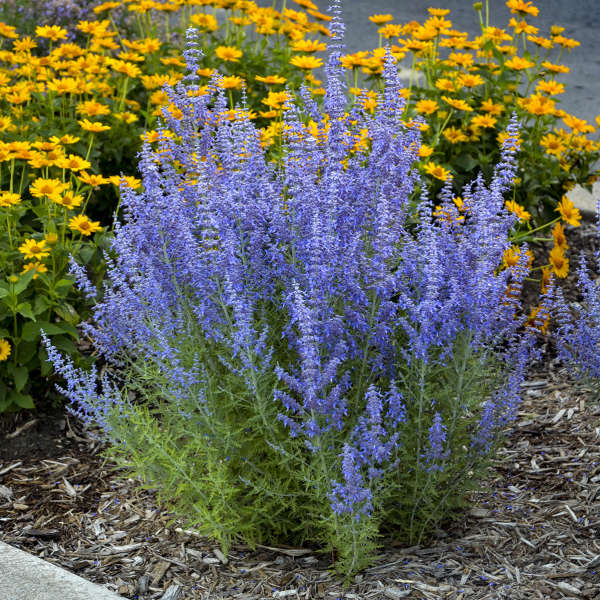
In agriculture, among the plants that can tolerate sunlight and drought are beans, white lupin, lentils, chickpeas, and peas. And it is likely that we will have to integrate these legumes into our diet more than ever if it’s true what is said about future agricultural cultivars being able to withstand water stress, which means a lack of water.
Moving from the Garden to the Field
In contrast to other plants, among those that can tolerate sunlight and are content with less water, we find that oats are more resistant than hard wheat and even more so than soft wheat. Early oats are more resistant than late ones, while among grasses, the least drought-tolerant species is the vetch, followed by the fescue and the white clover. The most susceptible to water deficit is the incarnate trifolium.
In pastures, the most heat-resistant plant is the alfalfa, followed by the medicinal herb, the lupinella, and the Trifolium pratense.
The Importance of Research in Agriculture
Studying plants that can tolerate sunlight (on which various research institutions are working, including ENEA) has become important at the light of the new agriculture we imagine for the future, made always of plants able to withstand high temperatures and resistant to prolonged water scarcity.
This is because the study of these plants will help us understand how they can thrive in environments with limited water availability. By understanding their physiology and genetic makeup, researchers can develop new crop varieties that are better suited to drought conditions.
Climate Change and Its Effects on Agricultural Production
The global warming is manifesting its effects already in these years. With reference to Southern Europe areas, the yields of current agricultural productions are forecasted to decrease between 1.9% and 22.4% between 2020 and 2080 at light of climate change predictions.
This decline in agricultural production can have significant economic and social impacts on farmers and communities that rely heavily on agriculture for their livelihoods. In addition, the loss of crop yields can also lead to food insecurity and malnutrition, particularly in vulnerable populations.
The Role of Plants That Can Tolerate Sunlight
Given the potential impact of climate change on agricultural production, it is essential that we prioritize the development of crops that can tolerate sunlight and water scarcity. These plants have several characteristics that make them well-suited to thrive in environments with limited resources.
For example, they often have deep roots that allow them to access water deeper in the soil profile, reducing their reliance on surface water. They also tend to have small leaves or narrow leaves that minimize water loss through transpiration, allowing them to conserve water more efficiently.
In addition, plants that can tolerate sunlight and drought often have a higher concentration of solanine, which is a natural compound that helps protect them from water stress. Solanine has been shown to have antimicrobial properties, which could be beneficial for human health.
Examples of Plants That Can Tolerate Sunlight
Some examples of plants that can tolerate sunlight include:
- Beans: These legumes are widely cultivated and are known for their high protein content and drought tolerance.
- White lupin: This legume is native to Australia and has been shown to be highly resistant to water stress.
- Lentils: Another legume, lentils are small, nutritious seeds that can thrive in environments with limited water availability.
- Chickpeas: These legumes are commonly used as a food source in many parts of the world and have been found to be highly drought-tolerant.
- Peas: These simple plants are easy to grow and can tolerate low levels of watering.
Climate Factors Affecting Agricultural Production
According to an EU Report, five climate factors will determine the decline in agricultural production:
- Shortening of the growth period
- More frequent extreme weather events during the growing cycle phase
- Increased precipitation intensity during sowing
- Drought stress during flowering and prolonged dry periods
These factors can have significant impacts on crop yields and quality, making it essential that we prioritize research on drought-tolerant plants.
Autumn-Primacy Spring Crops
One type of crop that may be well-suited to the changing climate is autumn-primacy spring crops. These crops mature in the fall and are planted in the late summer or early fall, allowing them to take advantage of the increased availability of water during this period.
In contrast, primaverily summer cycle crops typically require a longer growing season and may not be as well-suited to drought conditions. By planting autumn-primacy spring crops, farmers can reduce their reliance on irrigation and minimize the impacts of drought stress.
Conclusion
The use of plants that can tolerate sunlight and water scarcity will be crucial for the future of agriculture. Understanding the factors that contribute to climate change and how they affect agricultural production will enable us to develop more resilient crops.
By prioritizing research on drought-tolerant plants, we can help ensure a sustainable food supply in the face of climate change. This is essential for ensuring that future generations have access to nutritious food, even in the most challenging environmental conditions.
FAQs
- What are some examples of plants that can tolerate sunlight and water scarcity?
Beans, white lupin, lentils, chickpeas, and peas are all examples of plants that can thrive in environments with limited water availability. - How does global warming affect agricultural production in Southern Europe?
Global warming is forecasted to lead to a decline in agricultural production in Southern Europe, with yields expected to decrease between 1.9% and 22.4% between 2020 and 2080. - What factors contribute to the decline in agricultural production?
The five climate factors that will determine the decline in agricultural production are shortening of the growth period, more frequent extreme weather events during the growing cycle phase, increased precipitation intensity during sowing, drought stress during flowering and prolonged dry periods. - Can research on plants that can tolerate sunlight provide benefits for agriculture?
Yes, research on drought-tolerant plants can help us understand how they can thrive in environments with limited water availability. By studying these plants, we can develop new crop varieties that are better suited to drought conditions. - What is an example of a crop with an autumn-primacy spring cycle?
An example of a crop with an autumn-primacy spring cycle is oats, which mature in the fall and can take advantage of the increased availability of water during this period. - Why is it essential to prioritize research on drought-tolerant plants?
Prioritizing research on drought-tolerant plants is essential for ensuring a sustainable food supply in the face of climate change. By developing crops that can thrive in environments with limited resources, we can help ensure that future generations have access to nutritious food. - How will the use of plants that can tolerate sunlight affect the future of agriculture?
The use of drought-tolerant crops has the potential to revolutionize agriculture by allowing farmers to grow more crops in areas that would otherwise be unsuitable for agriculture. This could lead to increased crop yields and improved food security. - What are some potential consequences of not addressing climate change in agriculture?
If we do not address climate change in agriculture, it could lead to significant declines in agricultural production, food insecurity, and malnutrition, particularly in vulnerable populations.
Potential Benefits of Drought-Tolerant Crops
In addition to reducing the impacts of drought stress, drought-tolerant crops can also have several other benefits for agriculture. Some potential benefits include:
- Improved crop yields: By developing crops that can thrive in environments with limited water availability, farmers can reduce their reliance on irrigation and increase their overall crop yields.
- Increased food security: Drought-tolerant crops can help ensure a sustainable food supply by allowing farmers to grow more crops in areas that would otherwise be unsuitable for agriculture.
- Reduced environmental impact: By reducing the need for irrigation, drought-tolerant crops can also reduce the amount of water used for agricultural purposes. This can help minimize the environmental impacts of agriculture and protect ecosystems.
- Improved farmer livelihoods: Drought-tolerant crops can provide farmers with a more reliable source of income by allowing them to grow more crops in challenging environments.
Challenges and Limitations
While drought-tolerant crops have several potential benefits, there are also challenges and limitations associated with their development. Some of these challenges include:
- Complexity of crop physiology: Studying the physiological responses of plants to water stress can be complex and require significant expertise.
- Limited understanding of plant genetics: While we have made significant progress in understanding plant genetics, there is still much to be learned about how genetic variation affects drought tolerance.
- Need for large-scale field trials: To fully understand the potential benefits and limitations of drought-tolerant crops, large-scale field trials are necessary. This can be a time-consuming and resource-intensive process.
Conclusion
The use of plants that can tolerate sunlight and water scarcity will be crucial for the future of agriculture. By prioritizing research on drought-tolerant plants, we can help ensure a sustainable food supply in the face of climate change.
This is essential for ensuring that future generations have access to nutritious food, even in the most challenging environmental conditions. While there are challenges and limitations associated with developing drought-tolerant crops, the potential benefits make it an important area of research that warrants continued investment.


