
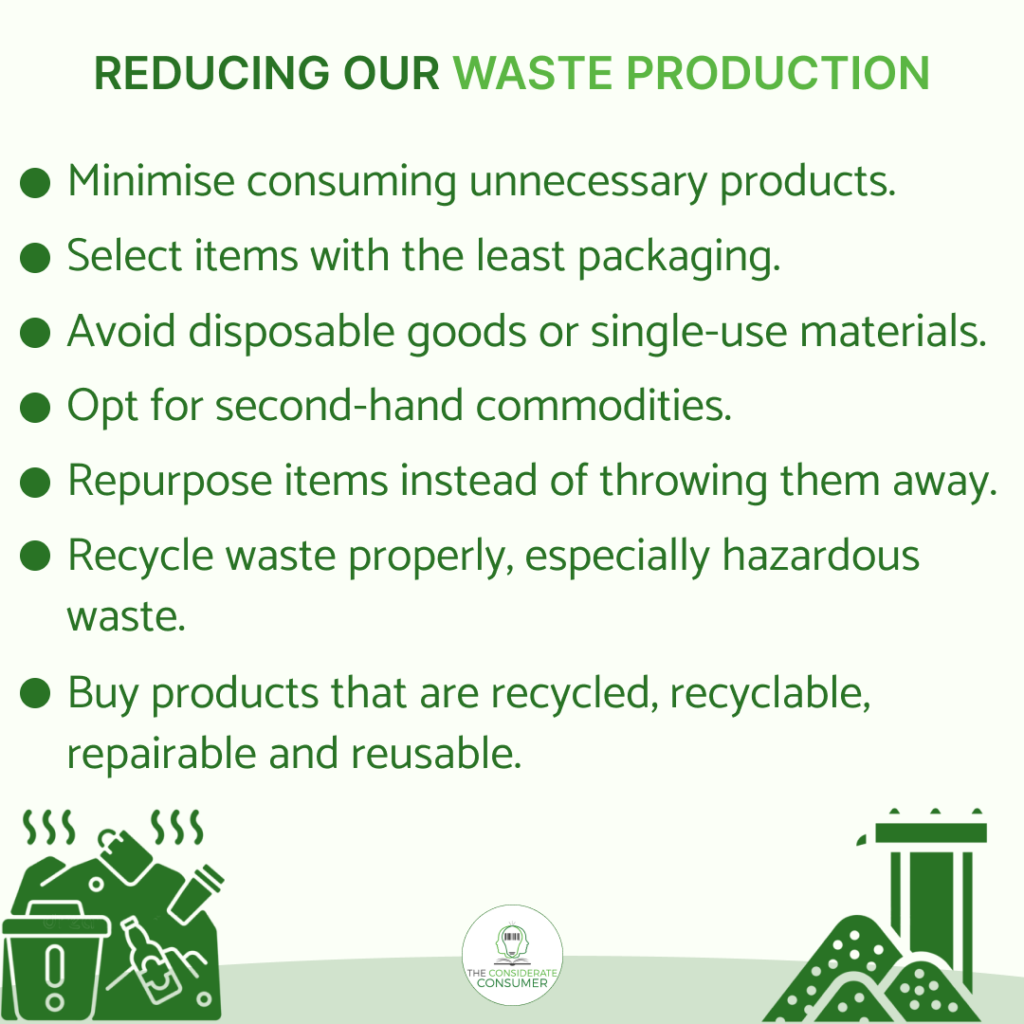
Reducing Waste: A Simple Guide to a More Sustainable Lifestyle
As we navigate the complexities of modern life, it’s easy to overlook the impact our daily choices have on the environment. However, one crucial aspect that requires immediate attention is waste management. In this article, we’ll explore practical strategies for reducing waste, from simple changes in daily habits to more significant lifestyle shifts.
The Problem: Understanding Waste Generation
Just a few decades ago, terms like “recycling,” “sorted waste,” and “biodegradable waste” were virtually unheard of. In agricultural economies, waste was non-existent, as every resource was utilized in some way. However, our current societal production is overwhelming the environment’s capacity for disposal. Today, trash has become a universal problem that demands immediate attention.
The amount of waste generated globally has increased dramatically over the years. It’s estimated that humans produce around 2 billion tons of waste annually, with plastic waste accounting for approximately 50% of this total. The impact of waste on our environment is multifaceted and far-reaching, from pollution and climate change to deforestation and loss of biodiversity.
Solving the Problem: Starting with Kitchen Habits
One of the most significant contributors to household waste is food waste. In the kitchen, this waste can be minimized by adopting a few simple habits:
- Rationalize your purchases: Before making any purchase, ask yourself if you really need it. This practice not only reduces waste but also helps save money and reduce consumption.
- Store food effectively: Consider buying fewer items to ensure they stay fresh for longer. Avoid stockpiling, which often leads to spoilage and wasted resources.
- Use reusable bags: Make the switch to cloth shopping bags or use a reusable tote bag to minimize plastic waste.
By making these simple changes in your kitchen habits, you can significantly reduce food waste and contribute to a more sustainable lifestyle.
Reducing Packaging Waste
Another significant source of household waste is packaging from purchased goods. To mitigate this:
- Opt for products without excessive packaging: When shopping, choose items that come in minimal packaging or those that can be easily repurposed.
- Buy in bulk: Purchasing items like nuts, grains, and cleaning supplies in bulk reduces packaging waste.
- Use reusable containers: If you must use single-use plastics for storage, invest in reusable containers to minimize waste.
By reducing packaging waste, we can significantly decrease the amount of non-biodegradable materials that end up in landfills and oceans.
Water Waste: The Hidden Culprit
Another often-overlooked contributor to household waste is water consumption. To reduce this:
- Switch to tap water: Tap water is not only a cost-effective option but also has fewer environmental impacts than bottled water.
- Use water-efficient appliances: Invest in energy and water-efficient appliances to minimize waste.
By reducing water consumption, we can conserve this valuable resource and mitigate the environmental impact of our daily habits.
Sharing, Bartering, and Community Support
To create a more sustainable community, consider:
- Sharing resources: Share tools, clothing, or household items with friends and neighbors to reduce waste and promote cooperation.
- Participate in local initiatives: Join local recycling programs, participate in community clean-up events, and support organizations working on environmental issues.
By sharing resources and participating in local initiatives, we can foster a sense of community and promote sustainable practices among our peers.
Conclusion
Reducing waste is a journey that requires patience, understanding, and small changes. By adopting these habits and making conscious choices about our consumption, we can significantly reduce the amount of waste generated by households. The impact may seem small, but collectively, it adds up to create a more sustainable future for ourselves and the planet.
Frequently Asked Questions
- What’s the most effective way to start reducing household waste?
- Start by making conscious changes in daily habits, such as reducing food waste, using reusable bags, and switching to tap water.
- How can I minimize packaging waste from purchased goods?
- Opt for products with minimal packaging, buy in bulk, and use reusable containers when necessary.
- Why is it important to reduce water consumption at home?
- Reducing water consumption helps conserve this valuable resource and minimizes the environmental impact of bottled water.
- What are some local initiatives that support sustainable living?
- Participate in community clean-up events, join local recycling programs, and support organizations working on environmental issues.
- How can I share resources with others and reduce waste?
- Share tools, clothing, or household items with friends and neighbors to promote cooperation and reduce waste.
By adopting these simple yet effective strategies, we can make a significant impact on reducing household waste and contributing to a more sustainable future.


