
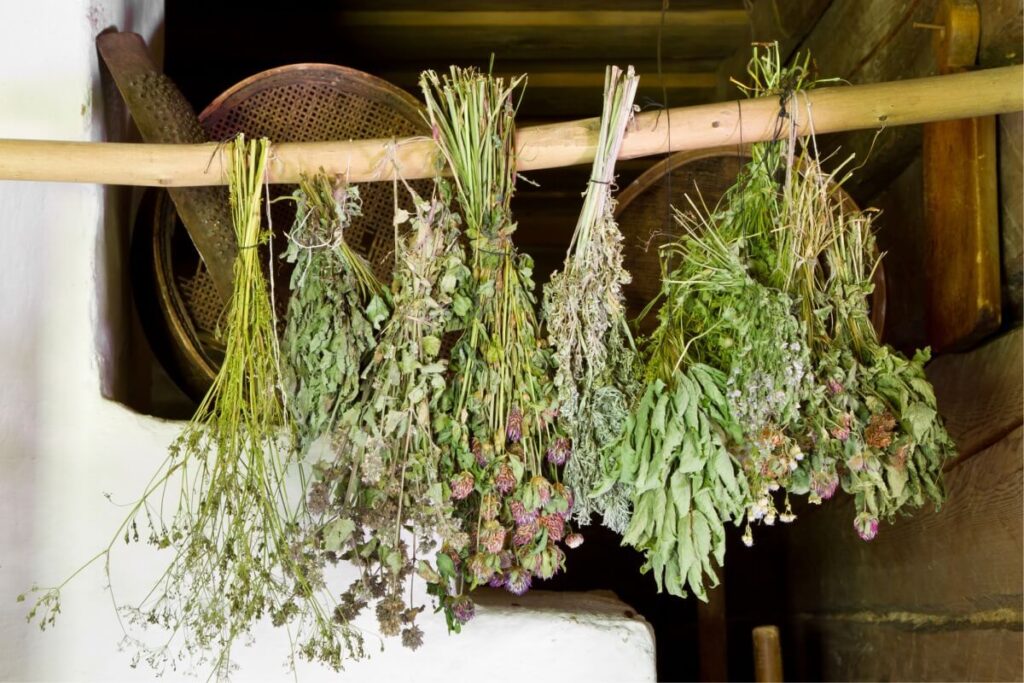
Herbal remedies have been used for centuries to treat a variety of ailments, from colds and flu to digestive issues and skin problems. One of the most important steps in creating effective herbal remedies is drying herbs. Drying herbs helps preserve their medicinal properties, prevents spoilage, and ensures that the remedy remains potent throughout its shelf life.
In this article, we will explore the process of drying herbs, its benefits, and provide guidance on how to dry different types of herbs effectively. Whether you’re a seasoned herbalist or just starting out, understanding the art of drying herbs is essential for creating high-quality herbal remedies.
Understanding the Importance of Drying Herbs
Drying herbs involves removing excess moisture from plant material to prevent bacterial growth and decay. This process helps preserve the herb’s medicinal properties and prevents spoilage. The ideal level of moisture retention depends on the type of herb, with some herbs requiring a higher or lower level of dryness.
There are several reasons why drying herbs is important:
- Prevents Bacterial Growth: Excess moisture can lead to bacterial growth, which can contaminate the herbal remedy and cause harm.
- Preserves Medicinal Properties: Drying helps preserve the herb’s medicinal properties by removing excess moisture that can break down or degrade these compounds.
- Extends Shelf Life: Dried herbs have a longer shelf life compared to fresh herbs, making them easier to store and transport.
What is Drying?
Drying herbs involves several steps:
- Harvesting: Fresh herb material is harvested from the plant source.
- Cleaning: The herb material is cleaned to remove any dirt, debris, or impurities.
- Drying: The herb material is dried using a specific method, such as air drying or oven drying.
Why is Drying Important?
Drying herbs is essential for creating effective herbal remedies. Here are some reasons why:
- Preserves Medicinal Properties: Drying helps preserve the herb’s medicinal properties by removing excess moisture that can break down or degrade these compounds.
- Prevents Spoilage: Drying prevents spoilage by removing excess moisture that can lead to bacterial growth and decay.
- Extends Shelf Life: Dried herbs have a longer shelf life compared to fresh herbs, making them easier to store and transport.
How to Dry Herbs
There are several methods for drying herbs, including:
- Air Drying: This method involves placing the herb material in a dry, well-ventilated area to allow it to air dry.
- Oven Drying: This method involves using a low-temperature oven to dry the herb material quickly and efficiently.
Choosing the Right Method
The choice of drying method depends on several factors:
- Type of Herb: Different herbs respond better to different drying methods.
- Desired Level of Dryness: Some herbs require a higher or lower level of dryness for optimal preservation.
- Equipment Availability: The availability of equipment can influence the choice of drying method.
Tips and Tricks
Here are some tips and tricks for drying herbs effectively:
- Use a Dehumidifier: A dehumidifier can help reduce moisture levels in the air, making it easier to dry herbs.
- Monitor Temperature and Humidity: Monitoring temperature and humidity levels can help ensure optimal drying conditions.
- Test for Dryness: Regularly testing for dryness can help prevent over-drying or under-drying.
Common Challenges
Drying herbs can be challenging due to:
- Variable Weather Conditions: Unpredictable weather conditions can affect the drying process.
- Equipment Malfunction: Equipment malfunctions can lead to uneven drying or damage to the herb material.
- Insufficient Storage Space: Insufficient storage space can make it difficult to store dried herbs properly.
Best Practices
To ensure optimal results when drying herbs, follow these best practices:
- Use Airtight Containers: Storing dried herbs in airtight containers helps preserve their medicinal properties and prevents moisture from entering the container.
- Label and Date Containers: Labeling and dating containers can help you keep track of the herbs and ensure they are used before expiration.
Benefits of Drying Herbs
Drying herbs offers several benefits, including:
- Preserves Medicinal Properties: Drying helps preserve the herb’s medicinal properties by removing excess moisture that can break down or degrade these compounds.
- Prevents Spoilage: Drying prevents spoilage by removing excess moisture that can lead to bacterial growth and decay.
- Extends Shelf Life: Dried herbs have a longer shelf life compared to fresh herbs, making them easier to store and transport.
Conclusion
Drying herbs is an essential step in creating herbal remedies. By understanding the importance of drying herbs, choosing the right method, and following best practices, you can create high-quality herbal remedies that promote health and well-being. Whether you’re a seasoned herbalist or just starting out, learning about the art of drying herbs is essential for achieving optimal results.
Additional Resources
For further information on drying herbs, consider consulting the following resources:
- Herbalism Books: There are many books available on herbalism that cover topics related to drying herbs.
- Online Forums: Online forums and communities can provide valuable insights and advice from experienced herbalists.
- Workshops and Classes: Consider attending workshops or classes on herbalism to learn more about the art of drying herbs.


