
Anxiety has been on the rise in recent years, and one type of anxiety that’s often overlooked is anxiety of illness. This type of anxiety is characterized by a fear of having a serious physical illness, and it can be debilitating for those who experience it. In this article, we’ll explore what anxiety of illness is, its symptoms, causes, treatment options, and how you can manage your anxiety.
Introduction
Anxiety of illness, also known as hypochondriasis or health anxiety, is a type of anxiety disorder that involves excessive worry about having a serious medical condition. This fear can be so intense that it interferes with daily life, relationships, and work or school performance. People with anxiety of illness may interpret minor symptoms as signs of a serious illness, such as chest pain or shortness of breath.
What is Anxiety of Illness?
Anxiety of illness is a type of anxiety disorder that involves excessive worry about having a serious medical condition. This fear can be so intense that it interferes with daily life, relationships, and work or school performance. People with anxiety of illness may interpret minor symptoms as signs of a serious illness, such as chest pain or shortness of breath.
Symptoms of Anxiety of Illness
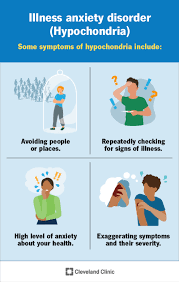
Anxiety of illness can manifest in different ways, but common symptoms include:
- Excessive worry about having a serious medical condition
- Preoccupation with thoughts of illness, even if there’s no physical evidence
- Fear of going to the doctor or hospital due to fear of diagnosis or misdiagnosis
- Avoidance of activities that might trigger anxiety, such as exercise or social events
- Intrusive thoughts or images about illness
- Physical symptoms like palpitations, sweating, or trembling
Causes and Risk Factors
Anxiety of illness can be caused by a combination of genetic, environmental, and psychological factors. Some risk factors include:
- Family history of anxiety disorders or other mental health conditions
- History of trauma or stress
- Exposure to medical misinformation or sensationalized media coverage of illnesses
- Social learning theory: people may learn to associate certain behaviors or thoughts with illness through social interactions or online sources
Risk Factors for Anxiety of Illness
Certain individuals are more likely to develop anxiety of illness, including:
- People with a family history of anxiety disorders or other mental health conditions
- Those who have experienced trauma or stress in the past
- Individuals who are exposed to medical misinformation or sensationalized media coverage of illnesses
- People who learn to associate certain behaviors or thoughts with illness through social interactions or online sources
The Impact of Anxiety of Illness on Daily Life
Anxiety of illness can significantly impact daily life, including:
- Avoidance of activities that might trigger anxiety, such as exercise or social events
- Difficulty concentrating and completing tasks due to excessive worry about health
- Strained relationships with family and friends due to preoccupation with illness
- Increased stress and anxiety levels, which can lead to physical symptoms like palpitations, sweating, or trembling
The Importance of Seeking Professional Help
Anxiety of illness is a treatable condition that requires understanding, compassion, and professional help. If you’re experiencing excessive worry about having a serious medical condition, it’s essential to seek professional help from a mental health expert.
Treatment Options for Anxiety of Illness
Fortunately, anxiety of illness is treatable with a variety of evidence-based treatments, including:
- Cognitive-behavioral therapy (CBT): a type of talk therapy that helps individuals identify and challenge negative thought patterns and behaviors.
- Mindfulness-based interventions: techniques like meditation and deep breathing can help reduce anxiety and improve overall well-being.
- Medications: antidepressants or anti-anxiety medications may be prescribed to help manage symptoms.
The Benefits of Treatment
Treatment for anxiety of illness can have numerous benefits, including:
- Reduced anxiety levels and improved mood
- Improved relationships with family and friends
- Increased productivity and ability to complete tasks
- Enhanced overall well-being
Managing Anxiety of Illness: Self-Help Strategies
In addition to seeking professional treatment, there are steps you can take to manage your anxiety of illness, including:
- Practice self-compassion: acknowledge that it’s okay to feel anxious and remind yourself that most people experience similar fears.
- Challenge negative thoughts: ask yourself if the thought or symptom is based on facts or assumptions.
- Engage in regular exercise: physical activity can help reduce anxiety symptoms.
- Connect with others: support groups or online communities can provide a safe space to share experiences and receive support.
Conclusion
Anxiety of illness is a treatable condition that requires understanding, compassion, and professional help. By learning more about this type of anxiety, you can take steps to manage your symptoms and improve your overall well-being. Remember, seeking professional help is the first step towards overcoming anxiety of illness.
Frequently Asked Questions (FAQs)
- What’s the difference between anxiety of illness and other mental health conditions?
Anxiety of illness is distinct from other mental health conditions like depression or obsessive-compulsive disorder in that it specifically involves excessive worry about having a serious medical condition.
2. Can I overcome anxiety of illness on my own?
While some people may be able to manage their symptoms through self-help strategies, professional treatment is often necessary to address underlying causes and prevent relapse.
3. How can I reduce my exposure to health misinformation online?
Be cautious when sharing or consuming health information online, and seek out reputable sources like the National Institute of Mental Health (NIMH) or the American Psychological Association (APA).
4. Can anxiety of illness affect relationships and daily life?
Yes, anxiety of illness can significantly impact daily life and relationships. Treatment can help alleviate symptoms and improve overall functioning.
5. Are there any specific coping strategies for people with anxiety of illness?
Yes, techniques like mindfulness meditation, deep breathing exercises, and journaling can be helpful in managing anxiety symptoms.
Additional Resources
If you’re experiencing excessive worry about having a serious medical condition or if you’re looking for additional resources on anxiety of illness, consider the following:
- National Institute of Mental Health (NIMH): provides information on anxiety disorders, including anxiety of illness.
- American Psychological Association (APA): offers information and resources on mental health conditions, including anxiety of illness.
- Anxiety and Depression Association of America (ADAA): provides support groups, online communities, and educational materials on anxiety disorders, including anxiety of illness.
Remember, anxiety of illness is a treatable condition that requires understanding, compassion, and professional help. By seeking help and taking steps to manage your symptoms, you can improve your overall well-being and live a more fulfilling life.


