
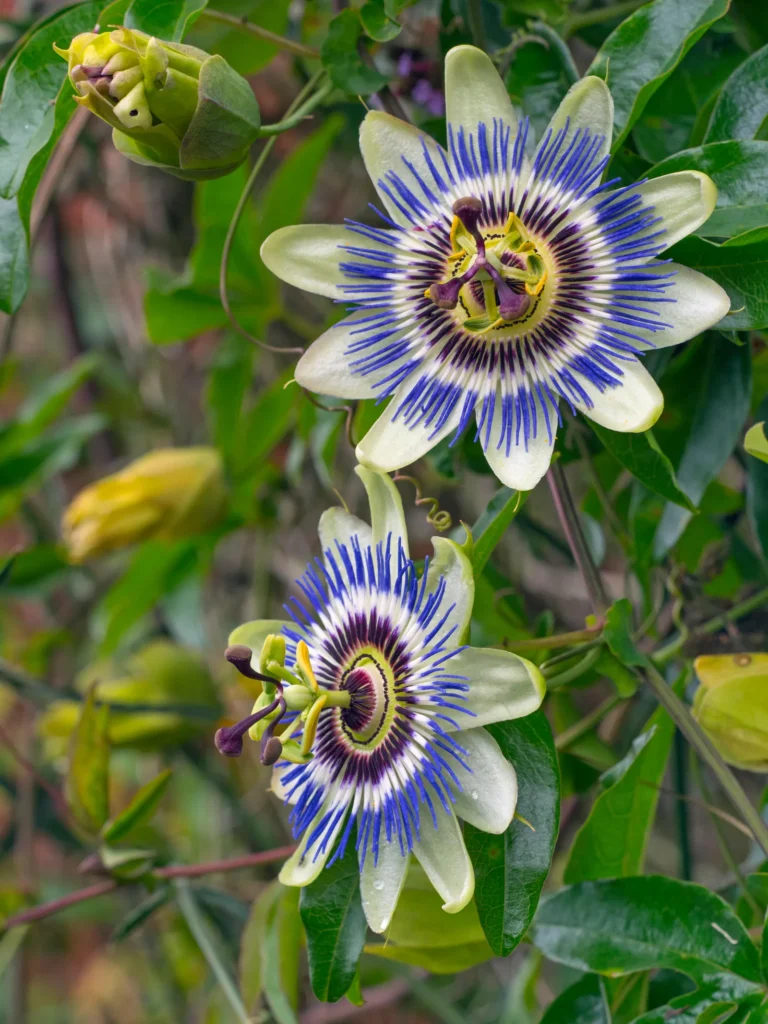
As a plant enthusiast, you’re likely drawn to the beauty and unique characteristics of ramping plants. The passiflora is one such plant that offers stunning scenery, especially when it produces large, showy flowers. In this article, we’ll delve into the world of passiflora, exploring its benefits, types, cultivation requirements, and care tips.
What is Passiflora?
Passiflora, also known as passionflower, is a genus of flowering plants native to South America. The plant has gained popularity for its ornamental value, medicinal properties, and edible fruit. The passiflora plant can be grown in various climates and environments, making it an excellent choice for gardeners.
Types of Passiflora
There are over 500 species of passiflora, each with unique characteristics and uses. Some popular types include:
- Passiflora edulis: Known for its edible fruit, also used in the production of juices and other products.
- Passiflora caerulea: A popular ornamental variety, native to South America, and known for its medicinal properties.
- Passiflora racemosa: A type of passiflora with bright red or white flowers, blooming from May to September.
Cultivation Requirements
To grow a healthy passiflora plant, you’ll need to provide the right conditions. Here are some key factors to consider:
- Temperature: Passiflora plants prefer mild temperatures, but can tolerate some frost.
- Lighting: Provide full sun or partial shade, depending on your location and climate.
- Watering: Water regularly, especially during hot summer months.
- Soil: Use a well-draining potting mix with a pH between 6.0 and 7.0.
Care Tips
To keep your passiflora plant thriving:
- Prune regularly: Pruning helps maintain the plant’s shape and encourages blooming.
- Fertilize: Feed your plant with a balanced fertilizer during the growing season.
- Provide support: Passiflora plants can grow quite large, so provide a trellis or other support system.
Common Problems
Some common issues you may encounter when growing passiflora include:
- Pests: Check for pests like aphids, whiteflies, and spider mites.
- Diseases: Keep an eye out for fungal diseases like powdery mildew and leaf spot.
Propagation Methods
Passiflora plants can be propagated using various methods:
- Cuttings: Take cuttings from healthy stems in the spring or summer months, and plant them in a pot filled with moistened potting mix.
- Seeds: Sow seeds in well-draining soil, keeping them consistently moist until germination occurs.
- Division: Divide mature plants by carefully separating the roots.
Pest and Disease Control
To keep your passiflora plant healthy:
- Check for pests regularly, and treat infested areas promptly with insecticides or other control methods.
- Keep an eye out for diseases, and treat affected areas as soon as possible to prevent further spread.
- Practice good hygiene when handling plants, and disinfect any tools used to prune or fertilize.
Propagation and Harvesting
To propagate and harvest passiflora:
- Cut off flower clusters with a sharp knife or pruning shears.
- Place the cut flowers in water, allowing them to absorb nutrients from the water before planting in soil.
- Use scissors or a snipping tool to carefully remove fruit from mature vines.
Conclusion
Passiflora is a versatile and beautiful plant that offers numerous benefits. By understanding its cultivation requirements and care tips, you can enjoy the many rewards of growing this unique plant. Happy gardening!
Frequently Asked Questions (FAQs)
- What is the best way to propagate passiflora?
- You can propagate passiflora using cuttings, seeds, or division.
- How often should I water my passiflora plant?
- Water your plant regularly, but avoid overwatering, which can lead to root rot.
- Can I grow passiflora in a container?
- Yes, passiflora plants can thrive in containers, as long as they receive adequate light and water.
- Are passiflora plants toxic to humans or animals?
- While passiflora plants are not typically toxic, they can cause allergic reactions in some individuals.
- How do I protect my passiflora plant from frost?
- Bring your plant indoors during the winter months or use a frost blanket to protect it from extreme temperatures.
Additional Resources
- Passiflora enthusiast communities: Join online forums and discussion groups dedicated to passiflora enthusiasts to connect with others who share your interests.
- Local nurseries: Visit local nurseries and gardening stores to learn more about different passiflora varieties and gain advice from experienced gardeners.


