
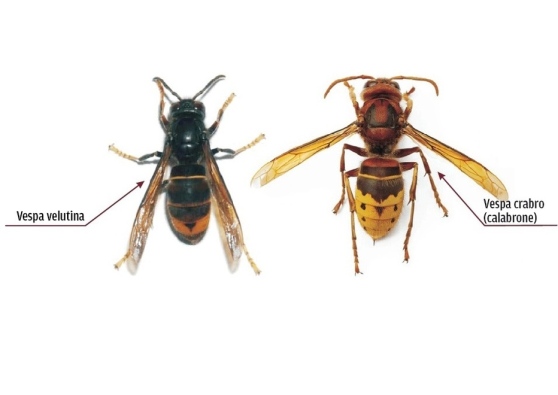
The Role of Bees in Wine Production: A Hidden Connection
Understanding the Importance of Bees in Winemaking
When it comes to bees, many people think they’re just a nuisance, known for their painful stings and aggressive behavior. However, a recent study from Italy has revealed a surprising connection between bees and wine production. It turns out that bees play a crucial role in the creation of unique and diverse wines.
The Connection Between Bees and Yeast
In this article, we’ll explore the fascinating relationship between bees and yeast, and how they impact the flavor and quality of wine. We’ll also delve into the latest research on this topic and discuss the potential implications for the wine industry.
The Role of Yeast in Wine Production
Yeast is a crucial component of winemaking, responsible for converting sugars into ethanol and carbon dioxide during fermentation. However, yeast can vary significantly depending on factors such as climate, soil, and geographical location. This variation can result in unique flavor profiles and characteristics that set different wines apart.
The Study: “Social Wasps are a Saccharomyces Mating Nest”
In 2012, a team of researchers from the University of Florence, Trento, Barcelona, and Montevideo published a study titled “Role of social wasps in Saccharomyces cerevisiae ecology and evolution.” The study revealed that bees play a significant role in the ecology and evolution of yeast.
How Bees Impact Yeast
The study found that bees consume nectar from flowers containing yeast, which then accumulates in their digestive system. This process allows for the transfer of yeast between flowers, enabling the spread of unique yeast strains across different regions.
A New Understanding of Bee-Yeast Interactions
Further research has shown that bees can also influence yeast behavior by creating a favorable environment for mating and reproduction. The study “Social wasps are a Saccharomyces mating nest” demonstrated that bees facilitate the interaction between different yeast species, leading to the creation of new hybrids.
The Implications for Wine Production
This discovery has significant implications for the wine industry. By understanding how bees impact yeast behavior, winemakers can gain insights into the factors that contribute to unique flavor profiles and characteristics in different wines.
Winemaking Regions with Unique Yeast Profiles
Some regions are naturally more conducive to producing certain types of wine due to their climate, soil, and geographical location. For example:
- The Bordeaux region of France is known for its Cabernet Sauvignon and Merlot grapes, which benefit from the unique yeast profile developed by local bees.
- In Italy’s Piedmont region, the local bee population helps create a favorable environment for Pinot Noir and Nebbiolo grapes.
How Bees Contribute to Wine Production
Bees contribute to wine production in several ways:
- Yeast Transfer: Bees transfer yeast strains between flowers, allowing for the spread of unique yeast profiles across different regions.
- Nectar Collection: Bees collect nectar from flowers containing yeast, which then accumulates in their digestive system and is transferred to other flowers.
- Pollination: Bees pollinate grapes, allowing for better fruit set and quality.
Benefits of Bee-Intensive Wine Production
The use of bees in wine production has several benefits:
- Increased diversity: Bees contribute to the creation of unique yeast profiles, leading to increased diversity in wine styles.
- Improved flavor profiles: The transfer of yeast strains between flowers allows for a more complex flavor profile and better acidity levels in wines.
- Enhanced terroir expression: By understanding how bees impact yeast behavior, winemakers can gain insights into the factors that contribute to unique flavor profiles and characteristics in different wines.
Challenges and Limitations
While the discovery of the connection between bees and yeast has significant implications for the wine industry, there are also challenges and limitations to consider:
- Honeybees vs. Bumblebees: Honeybees are more effective at transferring yeast strains than bumblebees.
- Regional differences: The impact of bees on yeast behavior can vary significantly depending on regional climate and soil conditions.
- Scalability: Large-scale bee populations may not be feasible for all wine producers, making it challenging to harness the benefits of bees in commercial production.
The Future of Bee-Intensive Wine Production
As research continues to uncover the fascinating relationship between bees and yeast, the potential implications for the wine industry are vast:
- New wine styles: By understanding how bees impact yeast behavior, winemakers can create new wine styles that showcase unique flavor profiles and characteristics.
- Improved yields: Bees contribute to better fruit set and quality, leading to improved yields and reduced losses due to disease or pests.
- Enhanced sustainability: The use of bees in wine production can lead to more sustainable practices and reduced environmental impact.
Conclusion
In conclusion, our exploration of the connection between bees and wine production highlights the importance of this often-overlooked relationship. Bees play a crucial role in shaping the flavor and quality of wine, and understanding their impact on yeast behavior can lead to new innovations and discoveries in the world of winemaking.
Frequently Asked Questions
- What is the significance of bees in wine production?
Bees contribute to the creation of unique and diverse wines by facilitating the transfer of yeast strains between flowers. - How do bees impact yeast behavior?
Bees create a favorable environment for yeast mating and reproduction, leading to the creation of new hybrids. - What are the implications of this discovery for winemakers?
Understanding how bees impact yeast behavior can lead to new insights into the factors that contribute to unique flavor profiles and characteristics in different wines. - Can bees be used intentionally to create specific wine styles?
While bees cannot be directly controlled, researchers are exploring ways to harness their natural behavior to create desirable wine traits. - What is the potential impact on the global wine industry?
The discovery of the connection between bees and yeast has significant implications for the world of winemaking, potentially leading to new innovations and discoveries in the field.
About the Author
Marta Abbà is a writer with a passion for exploring the intersection of science, nature, and culture. Her work focuses on uncovering fascinating stories and connections that shed new light on our understanding of the world around us.


