
As a gardener, you’re likely familiar with the invasive nature of lantana. This plant tends to spread quickly, taking over your garden and becoming a nuisance. But pruning is not just about cutting back unwanted growth; it’s also an opportunity to shape the plant into a beautiful, harmonious form.
Understanding Lantana’s Growth Habit
Lantana camara, the most widely cultivated species, can grow up to 2 meters in height and 1.5 meters in width, with sturdy, tetragonal stems that support dense, intricate foliage. The leaves are dark green and emit a pungent insect-repelling odor.
When to Prune Lantana
The best time to prune lantana is in late winter or early spring, between February and March. This allows the plant to recover from any damage caused by pruning while also encouraging new growth. Autumn pruning can also be effective, but only if the stems have become too thick and woody.
Pruning Techniques
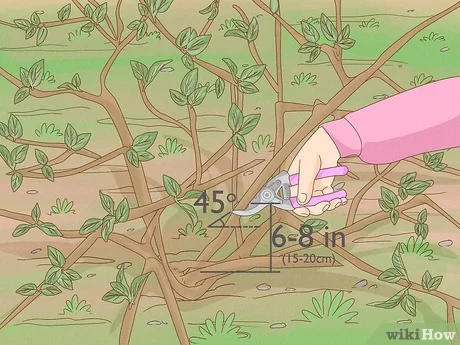
To prune lantana effectively, use clean, sharp tools and disinfect them regularly to prevent the spread of diseases. Be careful when handling thorny stems, as they can cause injury. Remove any dead or damaged wood, making sure to cut at a 45-degree angle to promote healthy growth.
Thinning Out Overgrown Stems
As lantana grows, its stems can become leggy and overbearing. Thinning out the plant by removing select stems will help control its size and encourage branching. This also allows you to harvest young shoots for propagation.
Propagation through Cuttings (Tales)
In late winter or early spring, take cuttings from the apical tips of younger stems. These are typically tender and more responsive to rooting. Dip the lower portion of the cutting into a rooting hormone before planting it in a well-draining potting mix. Keep the soil consistently moist and provide bright light (18-21°C). Once new growth appears, transplant the cutting into a larger container.
Sowing Seeds
Lantana can be sown directly into a seedbed or started indoors 6-8 weeks before the last frost date in your area. Sow seeds thinly and evenly, about 1 cm deep and 2-3 cm apart. Keep the soil consistently moist and provide bright light (20°C). Once the seedlings have 5-7 leaves, transplant them into individual pots.
Propagation through Seed
Lantana seeds can be sown in a well-draining potting mix or directly into the ground. Sow seeds thinly and evenly, about 1 cm deep and 2-3 cm apart. Keep the soil consistently moist and provide bright light (20°C). It may take several months for seedlings to emerge.
Common Pests and Diseases
Lantana is susceptible to pests like the coccinigia farinosa beetle and the red spider mite, as well as fungal diseases such as oidium and powdery mildew. Regular monitoring and prompt treatment can help prevent infestations and infections.
Pest Control Methods
To control pests on lantana, use integrated pest management techniques that combine physical barriers, cultural controls, and biological controls. Some effective methods include:
- Hand-picking pests
- Spraying with insecticidal soap or neem oil
- Using fine-mesh screens to prevent pests from reaching the plant
- Removing weeds and debris that can harbor pests
Disease Control Methods
To control diseases on lantana, use integrated disease management techniques that combine physical removal, cultural controls, and fungicides. Some effective methods include:
- Removing infected leaves or stems
- Disinfecting pruning tools
- Providing good air circulation to prevent moisture buildup
- Applying fungicides as a last resort
Common Problems with Lantana
Lantana is not immune to problems that can affect its growth and health. Some common issues include:
- Overwatering, which can lead to root rot
- Underwatering, which can cause stress and reduced flowering
- Nutrient deficiencies, such as nitrogen or iron deficiency
- Pests like aphids or whiteflies
Solutions for Common Problems
To address common problems with lantana, use the following solutions:
- Overwatering: Reduce watering frequency and improve drainage to prevent root rot.
- Underwatering: Increase watering frequency and provide supplemental irrigation during dry periods.
- Nutrient deficiencies: Fertilize with a balanced fertilizer to promote healthy growth.
- Pests: Use integrated pest management techniques to control pests.
Conclusion
Pruning and propagating lantana requires attention to detail and a willingness to shape this invasive plant into a beautiful addition to your garden. By understanding the plant’s growth habits, choosing the right tools, and using proper techniques, you can enjoy the benefits of this low-maintenance, yet rewarding, shrub.
FAQs
Q: What is the best time to prune lantana?
A: Late winter or early spring is the ideal time for pruning lantana, between February and March.
Q: How often should I prune lantana?
A: Prune lantana after it has finished blooming to encourage new growth and prevent overgrowth.
Q: What tools are best for pruning lantana?
A: Use clean, sharp tools, such as pruning shears or loppers, to avoid spreading diseases.
Q: Can I propagate lantana through division?
A: No, lantana is typically propagated through cuttings (tales) or seed.
Q: How do I prevent pests and diseases from affecting my lantana?
A: Regular monitoring, prompt treatment, and proper pruning techniques can help prevent infestations and infections.
Q: Can I grow lantana in containers?
A: Yes, lantana can be grown in pots with well-draining soil and full sun.
Q: Is lantana a low-maintenance plant?
A: Lantana is relatively easy to care for, but it may require more attention during the first year after planting.
Q: Can I use lantana as an ornamental plant?
A: Yes, lantana can be used as an ornamental plant in gardens and landscapes due to its vibrant flowers and attractive foliage.


