
Genetic mutations are a fundamental aspect of evolution, and yet, they can be mysterious to many. In this article, we’ll delve into the world of genetic mutations, exploring what they are, their examples, and why they’re essential for our survival.
What Are Genetic Mutations?
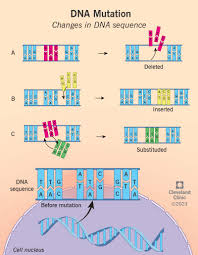
Genetic mutations refer to changes in the DNA sequence of an individual’s genome or genetic material (both DNA and RNA). These modifications can be caused by external factors, such as environmental stressors, or randomly occur during cell division. The key aspect of genetic mutations is that they can lead to changes in the genotype, which may not always result in a change in the phenotype.
Types of Genetic Mutations
There are several types of genetic mutations, including:
- Point mutations: Single-base substitutions or insertions/deletions.
- Chromosomal rearrangements: Changes in chromosome structure, such as deletions or duplications.
- Gene duplication: A copy of a gene is duplicated and becomes an alternative allele.
- Loss-of-function mutations: Mutations that result in the loss of gene function.
Mechanisms of Genetic Mutations
Genetic mutations can occur through various mechanisms, including:
- Error-prone DNA replication: Mistakes during DNA replication can lead to genetic errors.
- Mutagenesis: Exposure to mutagens, such as chemicals or radiation, can cause genetic damage.
- Epigenetic changes: Chemical modifications to DNA or histones can affect gene expression.
Evolutionary Pressures and Genetic Mutations
Genetic mutations play a crucial role in evolution by providing the raw material for natural selection to act upon. When a mutation occurs, it can offer a survival advantage or disadvantage, depending on the context. The process of natural selection acts upon these genetic variations, favoring those that enhance an organism’s chances of survival.
Categorizing Genetic Mutations
Experts in genetics categorize mutations based on their scale of action, from single gene alterations to changes affecting entire chromosomes. When mutations occur in somatic cells (non-reproductive cells), they can be passed on to daughter cells through mitosis and potentially lead to cancer or congenital abnormalities.
Genetic Mutations and Their Effects
Genetic mutations can have a range of effects, both positive and negative:
- Positive effects: Some genetic mutations provide advantages in terms of disease resistance or increased fertility.
- Negative effects: Many genetic mutations result in debilitating diseases or conditions.
Mitigating the Negative Effects of Genetic Mutations
While some genetic mutations are unavoidable, there are steps that can be taken to mitigate their negative effects:
- Genetic testing: Identifying genetic mutations early on can help with informed decision-making.
- Preventive measures: Taking precautions against environmental mutagens or using medications to prevent genetic damage.
Commercial Applications of Genetic Mutations
Genetic mutations are also harnessed for commercial purposes, such as:
- Pharmaceuticals: Genetic mutations can be exploited to develop new treatments or vaccines.
- Biotechnology: Genetic modifications are used in biotechnology applications, including the development of genetically modified organisms (GMOs).
Genetic Mutations and Human Health
Understanding genetic mutations is essential for improving human health:
- Genetic counseling: Genetic counselors help individuals understand their genetic risk factors and make informed decisions.
- Personalized medicine: Genetic testing can be used to tailor medical treatments to an individual’s unique genetic profile.
FAQs
- What are the main causes of genetic mutations?
- Can genetic mutations be reversed?
- How do genetic mutations affect an individual’s phenotype?
- Can genetic mutations be used for beneficial purposes, such as disease resistance?
- How do commercial applications of genetic mutations impact society?
Genetic mutations are a fundamental aspect of our evolutionary history, and understanding them is crucial for advancing our knowledge of human biology and the natural world.
As we continue to explore the intricacies of genetics, it’s essential to recognize the importance of both beneficial and detrimental mutations in shaping our lives.


