
What is Pitta Dosha?
Pitta dosha, one of the three fundamental energies in Ayurvedic medicine, is associated with the elements fire and water. This dosha is characterized by a sharp mind, rapid thinking, and a passionate personality. Individuals with pitta dosha tend to be intelligent, ambitious, and competitive, but also prone to anger, jealousy, and irritability.
Pitta dosha is considered one of the most challenging doshas to manage due to its intense energy and tendency to dominate other energies in the body. It’s essential to understand how this dosha affects digestion, skin health, and overall well-being to develop an effective management plan.
Characteristics of Pitta Dosha
Pitta dosha is linked to the characteristics of fire and water, making it sensitive to temperature extremes. People with this dosha type are more likely to experience digestive issues, skin problems, and inflammation. Their emotional nature can also lead to mood swings, anxiety, and stress.
Some common characteristics associated with pitta dosha include:
- Intense mental focus: Individuals with pitta dosha tend to be highly intelligent and focused, but may also struggle with impulsivity and impatience.
- Competitive nature: Pitta dosha individuals are often driven, ambitious, and competitive, which can lead to success in their careers or personal lives.
- Emotional sensitivity: People with pitta dosha may experience a wide range of emotions, from passion and excitement to anger and frustration.
How Does Pitta Dosha Affect Digestion?
Pitta dosha’s fiery energy can cause stomach upset, acid reflux, and other digestive issues. Individuals with this dosha type may experience:
- Frequent bloating and gas: The body’s natural response to heat and inflammation can lead to uncomfortable symptoms like bloating and gas.
- Abdominal pain or cramps: Pitta dosha individuals may experience sharp pains or cramps in their abdomen, which can be exacerbated by spicy foods or other triggers.
- Nausea and vomiting: In some cases, pitta dosha individuals may experience nausea and vomiting due to the body’s natural detoxification processes.
Dietary Recommendations for Pitta Dosha
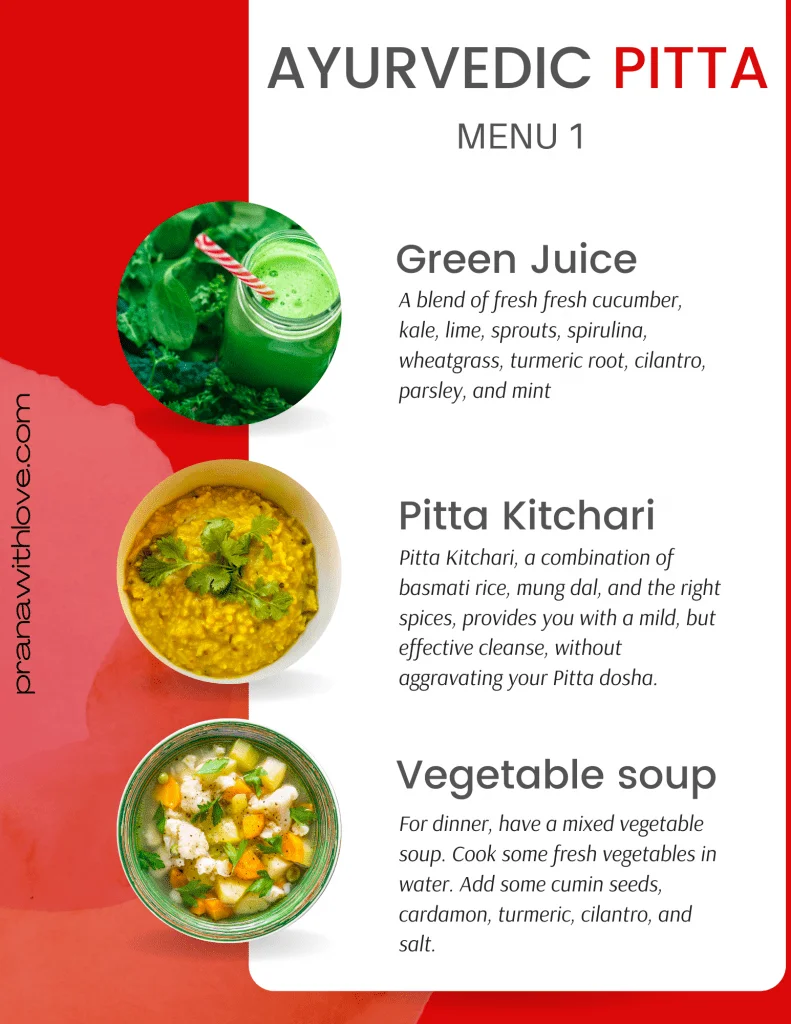
To balance the energy of pitta dosha, it’s essential to follow a diet that calms the digestive system and reduces inflammation. Here are some dietary recommendations:
- Foods to Avoid:
- Hot and spicy foods
- Acidic or sour foods
- Fried and processed foods
- Caffeine and alcohol
- Foods high in sugar and salt
- Foods to Emphasize:
- Cool and soothing foods (e.g., cucumbers, mint, cilantro)
- Light and easy-to-digest foods (e.g., rice, quinoa, vegetables)
- Fresh fruits and herbs (e.g., avocado, berries, basil)
Pitta Dosha’s Dietary Preferences
When it comes to eating, individuals with pitta dosha tend to prefer:
- Cooler temperatures: Avoid hot and spicy environments, as they can exacerbate digestive issues.
- Lighter meals: Opt for smaller, more frequent meals to reduce digestion stress.
- Fresh foods: Emphasize fresh fruits, vegetables, and herbs to support overall health.
Ayurvedic Remedies for Pitta Dosha
To support the digestive system and balance the energy of pitta dosha, consider incorporating these Ayurvedic remedies into your daily routine:
- Triphala guggul: A herbal blend that helps detoxify the body and reduce inflammation.
- Ginger tea: Soothes the digestive system and reduces nausea.
- Turmeric milk: Anti-inflammatory properties help calm digestive issues.
Conclusion
Pitta dosha, a fundamental energy in Ayurvedic medicine, requires a specific approach to diet and lifestyle. By understanding its characteristics and dietary needs, individuals with pitta dosha can take steps to balance their energy and promote overall health.


