
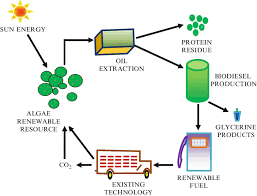
As we continue to grapple with the challenges of climate change, energy security, and food production, it’s becoming increasingly clear that traditional biofuels are not the panacea they once seemed. The rise of biocarburants has raised concerns about land grabbing, water scarcity, and a less-than-balanced carbon footprint. But what if there was an alternative? One that leverages the untapped potential of algae to produce a sustainable and versatile fuel source?
The Problem with Traditional Biofuels
Traditional biofuels have been hailed as a solution to our energy woes, but they come with a host of unintended consequences. The increased demand for crops like soy and corn has led to widespread deforestation, soil degradation, and water scarcity. Moreover, the production of biocarburants can perpetuate food insecurity, putting millions at risk of malnutrition. It’s time to rethink our approach and explore alternative solutions.
Enter Algal Fuels
Enter algae, a fast-growing, nutrient-efficient crop that offers a promising solution to our energy needs. By harnessing the power of microorganisms like bacteria and cyanobacteria, we can produce a range of fuels, including biodiesel, biojet fuel, and even electricity. Algae require minimal land, no fertilizers or pesticides, and can thrive in a variety of environments.
Why Algae?
So why algae specifically? Here are just a few compelling reasons:
- Scalability: With an estimated 50,000 species of algae, we have a vast potential resource to tap into.
- Efficiency: Algae can grow up to 10 times faster than traditional crops, making them a more efficient use of resources.
- Low Input Costs: Algae require minimal land, water, and nutrients, reducing production costs and environmental impact.
The Science Behind Algal Fuels
But how exactly do we harness the power of algae? The answer lies in the science. Researchers at the Technische Universität München (TUM) have developed a system that simulates natural light patterns to optimize algae growth. This innovative approach ensures high yields, minimal waste, and maximum efficiency.
A Breakthrough in Algal Fuels
In 2014, scientists at TUM collaborated with FUTURELED GmbH to create a cutting-edge facility for algal fuel production. Using LED lights to mimic natural sunlight, they were able to achieve unprecedented levels of productivity. This breakthrough has opened up new possibilities for the industry and demonstrates the potential of algae-based fuels.
The Future of Algal Fuels
As we move forward, it’s clear that algal fuels have a bright future ahead. With continued innovation and investment, we can unlock the full potential of this sustainable energy source. So what does the future hold? Here are just a few predictions:
- Increased Adoption: As costs decrease and efficiency improves, we’ll see more widespread adoption of algal fuels.
- New Applications: Algae-based fuels will find new uses in industries like aviation, maritime, and even space exploration.
- Reduced Carbon Footprint: By switching to algal fuels, we can significantly reduce our reliance on fossil fuels and mitigate climate change.
Frequently Asked Questions
Here are some answers to common questions about algal fuels:
- Q: Are algal fuels a new concept?
A: No, algae have been used for fuel production for decades, but recent advancements in technology have made it more viable. - Q: How does the TUM system work?
A: The TUM system uses LED lights to simulate natural light patterns, which stimulates optimal algae growth. - Q: Can algal fuels be used as a direct replacement for fossil fuels?
A: While algal fuels have many benefits, they may not be directly interchangeable with fossil fuels due to differences in energy density and production costs. - Q: What are the biggest challenges facing the adoption of algal fuels?
A: Despite progress, challenges remain related to scalability, cost, and infrastructure development.
Case Studies
Here are a few examples of companies that are already making waves with their algae-based fuel initiatives:
- Algenol: This Florida-based company has developed a proprietary technology for growing algae at an unprecedented scale.
- Helixia Energy: With its cutting-edge facility in the Netherlands, Helixia is producing high-quality algal fuels using advanced LED lighting.
Government Incentives and Policies
Governments around the world are starting to recognize the potential of algal fuels. Here are a few initiatives that are supporting the growth of this industry:
- European Union’s Horizon 2020 Program: This EU-funded program is providing funding for research and development projects related to algae-based fuels.
- US Department of Energy’s Algae Research Grant Program: This grant program is supporting innovative research in algae-based fuel production.
Conclusion
As we look to the future, it’s clear that algal fuels have a crucial role to play. With continued innovation and investment, we can unlock the full potential of this sustainable energy source and create a cleaner, greener future for generations to come. Whether you’re an industry leader or just starting to explore the possibilities of algal fuels, there’s never been a more exciting time to get involved.


