
As one of the most popular beverages in Italy, tea is a staple in many households. However, few people know that there are several types of tea, each with its unique set of health benefits.
In this article, we will explore the different varieties of tea and their respective properties, helping you make an informed choice when it comes to incorporating tea into your daily routine.
The Benefits of Tea
Tea has been a part of our lives for centuries, and its benefits are numerous. From improving heart health to aiding in weight loss, tea is a versatile beverage that can be enjoyed by people of all ages.
But what makes tea so special? Let’s take a closer look at the different types of tea and their unique properties.
Green Tea: The Healthiest Option
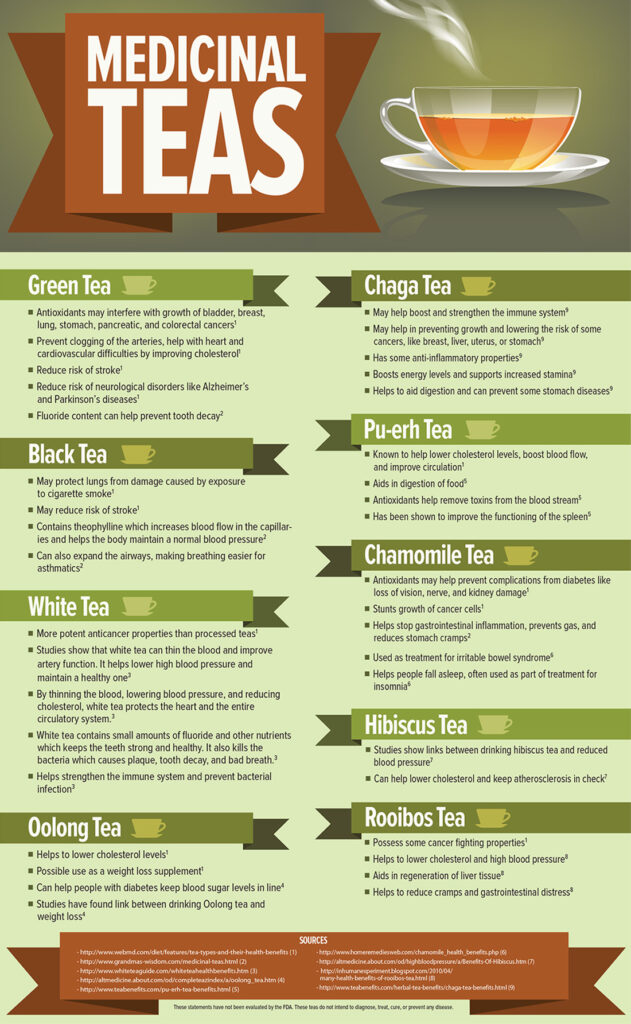
Green tea is often considered the healthiest type of tea due to its high antioxidant content. It is also rich in vitamins A, B, C, and E, as well as minerals like fluoride, sodium, and potassium.
To prepare green tea correctly, it’s essential to use water that has not reached a boil. If the water is too hot, it can extract too many bitter compounds from the leaves, resulting in an unpleasant taste.
One trick to avoid this is to add cold water to the tea leaves after the water has cooled down by about 10 degrees. This allows the tea to infuse slowly and evenly, producing a smooth and refreshing beverage.
Green tea also contains catechins, which are powerful antioxidants that can help protect against cell damage and reduce inflammation. The most well-known catechin in green tea is epigallocatechin gallate (EGCG), which has been shown to have anti-inflammatory and anti-cancer properties.
Black Tea: The Socialite of Teas
Black tea is the most popular type of tea in Western cultures, often consumed in teabags or loose-leaf form. Its robust flavor and aroma make it a staple at social gatherings and family meals.
Black tea contains a higher amount of caffeine than green tea, which can give it an invigorating effect. However, it also has a lower antioxidant content compared to other types of tea.
To enjoy black tea optimally, use water that has reached a temperature of 95°C (203°F). The steeping time will depend on the type of tea leaves and personal preference.
Black tea also contains theaflavins, which are powerful antioxidants that can help protect against cell damage and reduce inflammation. Theaflavins have been shown to have anti-inflammatory properties, which may help reduce the risk of chronic diseases such as heart disease and cancer.
White Tea: The Elusive One
White tea is considered one of the most exotic and expensive types of tea due to its unique production process. Instead of using traditional tea leaves, white tea is made from the young buds of the Camellia sinensis plant.
The resulting tea has a delicate flavor and aroma, making it a popular choice among tea connoisseurs. White tea is rich in vitamins C and E, as well as antioxidants, which can help protect against cell damage.
To prepare white tea correctly, use water at a temperature of 75°C (167°F) and steep the leaves for a shorter amount of time compared to other types of tea.
White tea also contains flavonoids, which are powerful antioxidants that can help protect against cell damage and reduce inflammation. Flavonoids have been shown to have anti-inflammatory properties, which may help reduce the risk of chronic diseases such as heart disease and cancer.
Oolong Tea: The Partially Fermented One
Oolong tea is partially fermented, which gives it a unique flavor profile that’s somewhere between green and black tea. This process allows oolong tea to retain more antioxidants than other types of tea.
To prepare oolong tea correctly, use water at a temperature of 95°C (203°F) and steep the leaves for an optimal amount of time. The type of oolong tea will depend on personal preference and regional traditions.
Oolong tea also contains polyphenols, which are powerful antioxidants that can help protect against cell damage and reduce inflammation. Polyphenols have been shown to have anti-inflammatory properties, which may help reduce the risk of chronic diseases such as heart disease and cancer.
Pu-erh Tea: The Fermented One
Pu-erh tea is made from fermented tea leaves, which gives it a distinct flavor profile that’s often described as earthy and rich. Pu-her tea has been shown to have numerous health benefits, including reducing cholesterol levels and aiding in weight loss.
To prepare pu-erh tea correctly, use water at a temperature of 90°C (194°F) and steep the leaves for an extended period of time.
Pu-erh tea also contains prebiotic fibers, which can help support gut health and boost the immune system. Prebiotics have been shown to have anti-inflammatory properties, which may help reduce the risk of chronic diseases such as heart disease and cancer.
Yogic Tea: The Ancient One
Yogic tea is an ancient type of tea that originated in India over 3,000 years ago. It’s also known as masala chai, which is a popular spiced tea drink in India and other parts of Asia.
Yogic tea contains a blend of spices, herbs, and plants that can help promote relaxation, reduce stress, and boost the immune system. The most commonly used ingredients in yogic tea include ginger, cinnamon, cardamom, cloves, and black pepper.
To prepare yogic tea correctly, use water at a temperature of 95°C (203°F) and steep the leaves for an optimal amount of time. You can also add milk or honey to enhance the flavor and nutritional benefits of the tea.
Herbal Tea: The Natural One
Herbal tea is not made from tea leaves at all, but rather from other plants and herbs that are rich in antioxidants and nutrients. Herbal teas can be a great alternative to traditional tea, especially for those who prefer a caffeine-free beverage.
Some popular types of herbal tea include peppermint, chamomile, and hibiscus. Each type of herbal tea has its own unique flavor profile and nutritional benefits.
For example, peppermint tea contains menthol, which can help relieve digestive issues and reduce inflammation. Chamomile tea contains apigenin, which can help promote relaxation and improve sleep quality. Hibiscus tea contains anthocyanins, which are powerful antioxidants that can help lower blood pressure and cholesterol levels.
Conclusion
In conclusion, each type of tea offers unique health benefits and flavor profiles. By understanding the differences between green, black, white, oolong, pu-erh, yogic, and herbal tea, you can make informed choices when it comes to incorporating tea into your daily routine.
Whether you’re looking for a refreshing morning pick-me-up or a soothing evening calm-down, there’s a type of tea out there that’s sure to suit your needs.
Frequently Asked Questions
Q: What is the healthiest type of tea?
A: Green tea is often considered the healthiest option due to its high antioxidant content and low caffeine levels.
Q: How do I prepare green tea correctly?
A: Use water that has not reached a boil, add cold water after cooling down by about 10 degrees, and steep for an optimal amount of time.
Q: What is white tea made from?
A: White tea is made from the young buds of the Camellia sinensis plant.
Q: How do I prepare oolong tea correctly?
A: Use water at a temperature of 95°C (203°F) and steep the leaves for an optimal amount of time, depending on personal preference and regional traditions.
Q: What are the health benefits of pu-erh tea?
A: Pu-erh tea has been shown to reduce cholesterol levels and aid in weight loss due to its fermented properties.
Q: Can I consume tea if I’m pregnant or breastfeeding?
A: While there is limited research on the topic, it’s generally recommended to consult with a healthcare professional before consuming tea during pregnancy or breastfeeding.
Q: How do I store my tea leaves to preserve flavor and aroma?
A: Store tea leaves in an airtight container, away from direct sunlight and heat sources, to preserve their flavor and aroma.
Q: Can I use cold brew coffee maker for tea?
A: Yes, you can use a cold brew coffee maker to make iced tea. Simply add tea leaves to the coffee maker, add cold water, and steep for an optimal amount of time.


