
Introduction to Dosha
In the ancient practice of Ayurvedic medicine, understanding the concept of dosha is crucial for maintaining physical and mental well-being. Dosha refers to the three fundamental energies that govern an individual’s physiology, influencing their overall health and constitution. In this article, we will delve into the world of dosha, exploring its significance, characteristics, and how it relates to personal health.
What are Dosha?
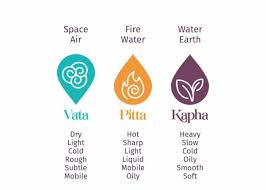
Dosha is a vital force that affects every aspect of our being, including our physical body and mental state. It is the result of the combination of three elements: air (vata), fire (pitta), and earth/water (kapha). The ratio of these elements determines an individual’s unique constitution, influencing their strengths, weaknesses, and tendencies.
The Three Dosha: Vata, Pitta, and Kapha
Each dosha has its distinct characteristics:
- Vata: Dominated by air and space (ether), vata individuals tend to be quick-witted and energetic but may also experience anxiety and restlessness.
- Pitta: Characterized by fire, pitta types are often passionate and ambitious but can struggle with anger and a tendency towards acidity.
- Kapha: Governed by earth and water, kapha individuals tend to be calm and stable but may also experience lethargy and emotional attachment.
Understanding Your Dosha
To determine your individual dosha, consult an Ayurvedic practitioner. They will assess your physical characteristics, temperament, and lifestyle to identify the dominant dosha.
Balancing Your Dosha
Maintaining balance between the three dosha is essential for overall health. This can be achieved through:
- Dietary adjustments: Eating foods that complement your dosha, such as warm, sweet, oily, salty, and sour options.
- Lifestyle modifications: Engaging in activities that harmonize with your dosha, like yoga or meditation.
- Herbal remedies: Utilizing natural treatments tailored to your specific dosha.
Alimentation for Each Dosha
Each dosha requires a unique approach to nutrition:
- Vata: Warm, sweet, oily, salty, and sour foods can help alleviate vata tendencies. Include foods like ghee, sesame seeds, and dried fruits in your diet.
- Pitta: Cooling, sweet, and bland foods can calm pitta flames. Try incorporating yogurt, cucumber, and carrots into your meals.
- Kapha: Light, warm, dry, and spicy foods can counteract kapha’s heaviness. Enjoy foods like ginger, cinnamon, and bitter greens.
Ayurvedic Medicine: A Holistic Approach
Ayurveda emphasizes prevention over treatment. By adopting a balanced lifestyle, individuals can maintain their unique constitution and prevent illnesses from arising.
The Role of Prakriti in Dosha Balance
Prakriti refers to an individual’s natural physical characteristics, such as body type, skin tone, and hair texture. Understanding your prakriti can help you identify your dominant dosha and make informed decisions about diet, lifestyle, and treatment.
The Three Gunas: Sattva, Rajas, and Tamas
The three gunas are subtle energies that influence an individual’s behavior and emotions:
- Sattva: Characterized by balance, harmony, and clarity.
- Rajas: Marked by activity, passion, and excitement.
- Tamas: Associated with dullness, lethargy, and ignorance.
The Connection Between Dosha and Gunas
Understanding the relationship between dosha and gunas can help you navigate life’s challenges. For instance:
- Individuals with a dominant sattvic dosha tend to be calm and composed.
- Those with a rajas-dominant constitution may struggle with anger and impulsive behavior.
Ayurvedic Diet and Lifestyle for Specific Conditions
Ayurveda offers tailored recommendations for various health concerns, including:
- Digestive issues: For individuals with digestive problems, Ayurvedic diet and lifestyle advice can help alleviate symptoms.
- Skin conditions: Ayurvedic treatments can address skin issues like acne, eczema, or psoriasis.
Conclusion
Understanding dosha is the first step towards achieving optimal health in Ayurvedic medicine. By recognizing your individual dosha and making conscious lifestyle choices, you can cultivate balance and well-being in all aspects of your life.
Frequently Asked Questions
What is the purpose of Ayurveda?
Ayurveda aims to promote overall wellness by balancing the three dosha through natural remedies and healthy living practices.
How do I determine my dosha?
Consult an experienced Ayurvedic practitioner for a personalized assessment, as determining your dosha requires consideration of multiple factors.
Can I treat myself using online resources?
While online information can be helpful, it is essential to consult with a qualified Ayurvedic practitioner for accurate diagnosis and treatment.


