
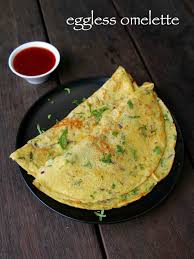
The Ultimate Guide to Making Egg-Free Frittatas
Are you tired of the same old egg-based frittata recipes? Do you have friends or family members who are allergic to eggs or follow a vegan lifestyle? Look no further! In this article, we’ll explore the world of egg-free frittatas and provide you with a comprehensive guide on how to make delicious and nutritious ones.
What is an Egg-Free Frittata?
An egg-free frittata is a type of Italian omelette made without eggs. Instead, it uses a combination of ingredients such as flour, water, and spices to create a protein-rich and flavorful dish. This recipe has become increasingly popular among vegans, gluten-free diets, and those who simply prefer a different twist on the classic frittata.
The Magic Behind Egg-Free Frittatas
So, what makes egg-free frittatas so special? The answer lies in the use of flour, specifically farina di ceci (chickpea flour). This ingredient has been used for centuries in Mediterranean cuisine to create a variety of dishes, from pasta to bread. In the case of egg-free frittatas, chickpea flour serves as an excellent substitute for eggs.
Benefits of Using Chickpea Flour
Chickpea flour is not only egg-free but also packed with nutrients and benefits:
- High in Protein: Chickpea flour is a rich source of protein, making it an excellent option for vegans and vegetarians.
- Rich in Fiber: This ingredient is high in fiber, which can help lower cholesterol levels and promote digestive health.
- Antioxidant-Rich: Chickpea flour contains antioxidants that can help protect against cell damage and reduce inflammation.
How to Make an Egg-Free Frittata
Making an egg-free frittata is easier than you think! Here’s a simple recipe to get you started:
Ingredients:
- 200g farina di ceci (chickpea flour)
- 300ml water
- Zucchini, sliced or grated
- 2 tbsp olive oil (optional)
- A pinch of curry powder
- Salt and pepper to taste
Instructions:
- Preheat your oven to 180°C (350°F) if you prefer a baked frittata.
- In a large bowl, whisk together the chickpea flour and water until smooth.
- Add in sliced or grated zucchini, olive oil, curry powder, salt, and pepper. Mix well.
Tips and Variations
Here are some tips and variations to take your egg-free frittata game to the next level:
- Use different types of vegetables like bell peppers, onions, or mushrooms.
- Add a splash of milk or cream for an extra creamy texture.
- Experiment with various spices and herbs to create unique flavor profiles.
Nutritional Benefits
Frittatas made with chickpea flour are not only delicious but also packed with nutrients:
- High in Protein: Chickpea flour is an excellent source of protein, making it a great option for those following a vegan or vegetarian diet.
- Rich in Fiber: This ingredient is high in fiber, which can help lower cholesterol levels and promote digestive health.
- Antioxidant-Rich: Chickpea flour contains antioxidants that can help protect against cell damage and reduce inflammation.
Conclusion
Egg-free frittatas are a game-changer for those looking to explore new culinary options. With chickpea flour as the star ingredient, you can create delicious and nutritious dishes that cater to various dietary needs. Whether you’re a vegan, gluten-free enthusiast, or simply looking for a different twist on classic recipes, egg-free frittatas are sure to impress.
Frequently Asked Questions
Here are some frequently asked questions about egg-free frittatas:
-
What is the difference between egg-free and vegan frittatas?
Egg-free frittatas refer specifically to dishes made without eggs using alternative ingredients like chickpea flour, while vegan frittatas use plant-based ingredients that exclude all animal products. -
Can I use other types of flour instead of chickpea flour?
While you can experiment with different flours, chickpea flour is the most commonly used ingredient in egg-free frittata recipes due to its nutritional benefits and versatility. -
How do I store leftover frittatas?
Leftover frittatas can be stored in the refrigerator for up to three days or frozen for later use. Simply reheat them in a toaster oven or pan on the stovetop until warmed through. -
Are egg-free frittatas suitable for everyone, including children and pregnant women?
Generally, egg-free frittatas are suitable for most individuals, including those with gluten intolerance or allergies. However, it’s always best to consult with a healthcare professional before introducing new foods, especially if you have specific dietary restrictions. -
Can I make egg-free frittatas ahead of time and refrigerate them?
Yes! You can prepare the batter for egg-free frittatas up to a day in advance and store it in the refrigerator until ready to cook. -
Are there any potential health risks associated with consuming egg-free frittatas?
As with any food, there are potential allergies or intolerances to consider when eating egg-free frittatas. Be sure to check ingredients carefully and consult a healthcare professional if you have concerns. -
Can I make egg-free frittatas in advance and freeze them for later use?
Yes! You can prepare the batter for egg-free frittatas up to two days in advance, store it in the refrigerator, and then bake or cook them when needed. -
Are egg-free frittatas suitable for those with specific dietary restrictions, such as gluten intolerance or dairy allergies?
Egg-free frittatas are a great option for individuals with gluten intolerance, dairy allergies, or other dietary restrictions that require avoiding eggs or animal products. -
Can I add cheese to my egg-free frittata recipe?
While traditional egg-based frittatas often include cheese, you can experiment with vegan alternatives like nutritional yeast or plant-based cheese substitutes in your egg-free recipes for a similar flavor profile. -
Are there any potential interactions between egg-free frittatas and medications?
As with any food, it’s always best to consult with a healthcare professional before introducing new foods, especially if you have specific dietary restrictions or allergies that may interact with certain medications.


