
As the heat arrives suddenly, we can be caught off guard and damage our cultivated plants. Sun and heat can depress plant tissues or even burn them. When the sun shines brightly, plants quickly lose moisture, their leaves turn yellow, and they fall prematurely. With dehydration, plant cells lose what is known as “turgor pressure” and their foliage loses its tone or even shrivels.
With dehydration, plant cells lose turgor pressure, causing a loss of tone in the foliage
Why Protect Plants from the Sun?
Just like in winter, when we create warm and cozy greenhouses and cover them with fabric blankets, in summer it’s essential to take care of our plants to save them from the heat and sunlight. When we protect plants from the sun, we ensure that they receive the right amount of light and warmth, without being damaged by excessive heat.
Protecting plants from the sun is crucial for their survival
How to Protect Plants from the Sun: Instructions for Saving Plants from Heat
Just like in winter, when we create warm and cozy greenhouses and cover them with fabric blankets, in summer it’s essential to take care of our plants to save them from the heat and sunlight. Here are some steps you can follow:
Increase Watering Frequency
The first step in protecting your plants from the sun is to increase the frequency and intensity of watering. Irrigate your plants in the coolest part of the day, such as early morning or late afternoon. Watering during these hours ensures that the water penetrates the soil and helps maintain the plant’s cellular turgor pressure.
Be generous with water but be careful not to create puddles or waterlogged soil. Make sure the soil has absorbed all the water before continuing to water it.
Use Fogging Machines
On hot days, when the sun beats down relentlessly, use a fogging machine to mist your plants’ leaves. Choose an acidic water source (tap water is fine if you let it sit for 24-48 hours) and apply it at dusk. If you don’t do this, the tiny droplets of water will cause “lens effect” that amplify sunlight and damage the plant.
Fogging machines are essential for maintaining humidity in the soil
Mulching with Organic Materials
Use a mulch made from organic materials like wood chips or straw to maintain soil moisture. Avoid using plastic mulches, as they can heat up quickly and burn your plants’ leaves.
Mulching with organic materials is essential for maintaining humidity in the soil
Protecting Plants in Pots from Heat and Sun
If you grow plants in pots, you have an advantage: you can move them! The ideal location would be on a balcony or terrasse in partial shade or semi-shade. Use shades or tarps to protect your pot-grown plants from direct sunlight.
If you’re growing plants outdoors but in the garden, choose the best spot for your plants during the summer months: towards the north.
Protecting Plants from Sunlight, Garden and Field Cultivation
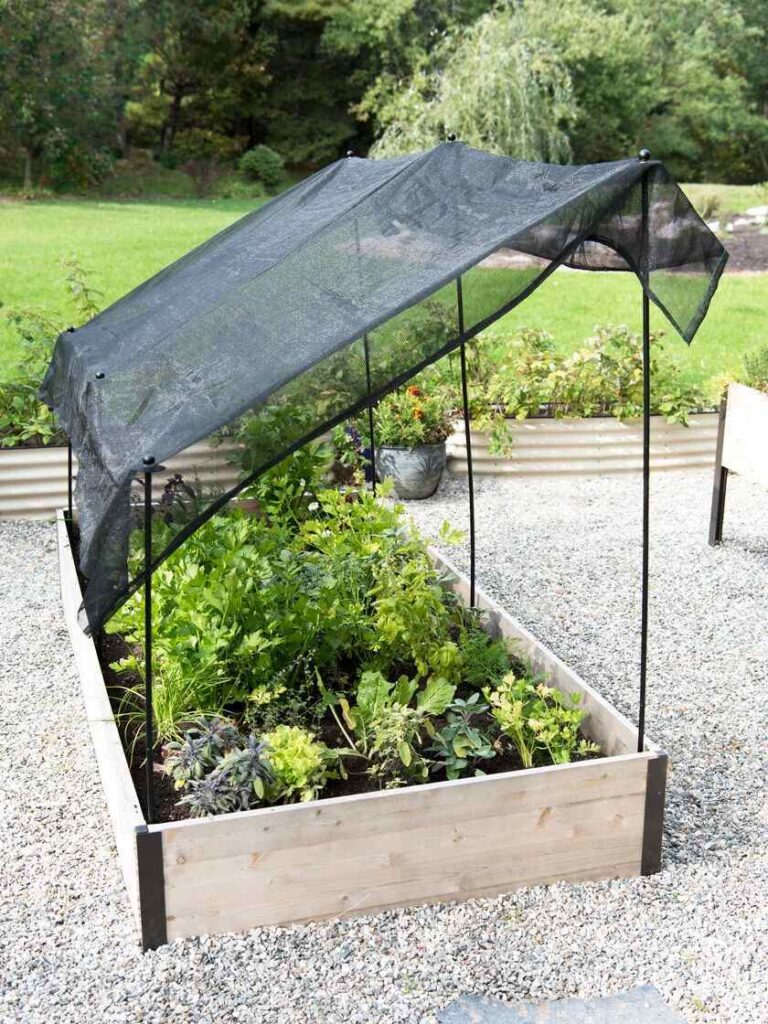
If you cultivate in a field, you can use sunshades to protect your plants. These sunshades are mesh screens that not only protect plants from sunlight but also from birds. In winter, these same sunshades can be used to shield your crops from hail damage.
Sunshades are essential for protecting crops from heat and sunlight
Protecting Plants in Greenhouses
Greenhouses offer a perfect environment to grow plants during the hot summer months. To protect your plants from the sun’s intense rays, you can use special greenhouses with UV-filtering glass or polycarbonate panels.
You can also use reflective materials like aluminum foil to reflect sunlight and heat away from your plants. Make sure to check on your plants regularly to ensure they are not overheating.
Protecting Plants in Indoor Spaces
If you grow plants indoors, you need to be mindful of the temperature and humidity levels. Use a thermometer and hygrometer to monitor the conditions in your home or office.
To protect your indoor plants from the sun’s rays, you can use sheer curtains or blinds to filter the light. You can also place plants near an east- or west-facing window, which receives gentle morning or afternoon sunlight.
Frequently Asked Questions
Here are some key questions related to the topic of plant protection:
Q: How often should I water my plants?
A: Water your plants frequently, but make sure not to overwater. Check the soil moisture regularly, and only water when necessary.
Q: What type of mulch is best for maintaining humidity in the soil?
A: Use a natural organic mulch like wood chips or straw to maintain soil moisture.
Q: How can I protect my plants from sunlight using sunshades?
A: You can use mesh screens or fabric tarps to create shade and protect your crops from direct sunlight.
Q: Can I use plastic mulches?
A: No, it’s not recommended. Plastic mulches heat up quickly and damage plant leaves.
Q: How often should I fog my plants’ leaves?
A: Use a fogging machine to mist your plants’ leaves during hot days, especially at dusk.
Q: What are some other ways to protect plants from the sun?
A: In addition to watering, mulching with organic materials and using sunshades can help protect your plants from the sun’s harmful rays.
Additional Tips for Protecting Plants from Sunlight
Here are some additional tips to help you protect your plants from sunlight:
- Use reflective materials like aluminum foil or white paint to reflect sunlight away from your plants.
- Plant trees or shrubs around your garden or field to provide shade and reduce heat stress.
- Avoid planting heat-sensitive crops in areas with direct sunlight.
- Monitor weather forecasts to plan watering and shading accordingly.
Conclusion
Protecting plants from the sun is crucial for their survival. By following these simple steps, you can ensure that your plants receive the right amount of light and warmth without being damaged by excessive heat. Remember to increase watering frequency, use fogging machines, mulch with organic materials, protect plants in pots, cultivate in shaded areas, and monitor weather forecasts.
By taking these precautions, you can help prevent dehydration, promote healthy growth, and enjoy a thriving garden or crop during the hot summer months.


