
Understanding the Early Years: The Complex of Oedipus
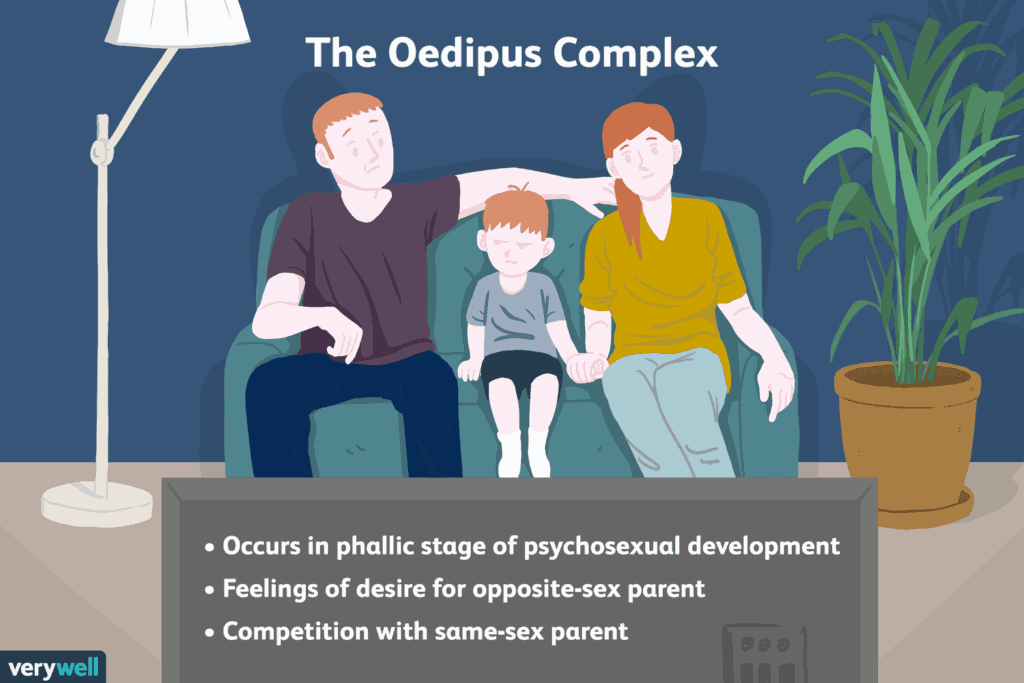
As a parent, it’s natural to wonder about your child’s emotional development, especially during the early years. One concept that has fascinated psychologists and parents alike is the complex of Oedipus. This term, coined by Sigmund Freud, refers to a common phenomenon where children around 2.5-7.5 years old experience strong feelings of attraction towards their mother and rivalry with their father.
The Origins of the Complex: A Brief History
The complex of Oedipus is rooted in the ancient Greek myth of Oedipus Rex, which tells the story of a young man who unknowingly kills his father and marries his mother. Freud adapted this myth to describe the universal human experience of children’s emotions during this critical period.
What is the Complex of Oedipus?
The complex of Oedipus is characterized by three main aspects:
- Attraction towards the mother: Children often become overly attached and possessive towards their mothers, seeking excessive attention and affection.
- Rivalry with the father: As children enter this phase, they may feel a strong sense of rivalry with their fathers, often manifesting as aggression or competition for their parents’ love and attention.
- Innocent desires: Children during this period are unaware of the true nature of their feelings and may express them in simplistic ways, such as crying when they see their parents together or feeling jealous towards the father.
What Happens if the Complex is Irresolvable?
If left unchecked, the complex of Oedipus can lead to problems in adulthood, including:
- Difficulty forming healthy relationships
- Idealization or devaluation of others
- Repressed emotions leading to anxiety or aggression
Recognizing the Signs of an Unresolved Complex
Adults may not directly connect their childhood experiences with current issues, but unresolved complexes can manifest in various ways, such as:
- Rabbid jealousy or anger towards partners or significant others
- Difficulty forming intimate relationships
- Tendency to idealize or devalue others
Breaking the Cycle: Strategies for Parents and Children
Fortunately, parents can play a crucial role in helping their children resolve this complex. Here are some strategies:
- Encourage positive relationships: Foster strong bonds between your child and father through shared activities and praise.
- Offer guidance and reassurance: Help your child understand that their feelings are normal but also teach them to manage them constructively.
- Foster independence: Encourage your child to explore their interests and develop a sense of identity beyond their parents.
Overcoming the Complex: A Journey of Self-Discovery
While it’s challenging to overcome an unresolved complex, it’s not impossible. Adults can work through their feelings by acknowledging and accepting their emotions, seeking support from loved ones or professionals, and practicing self-care.
Conclusion
The complex of Oedipus is a universal human experience that can shape our relationships and emotional well-being. By understanding its meaning and significance, parents and adults alike can take steps to resolve this complex, leading to healthier and more fulfilling lives.
Frequently Asked Questions (FAQs)
- What age range does the complex of Oedipus typically occur in?
- The complex of Oedipus is thought to occur between 2.5-7.5 years old.
- How can parents help their children resolve this complex?
- Parents can foster positive relationships, offer guidance and reassurance, and encourage independence.
- Can an unresolved complex lead to long-term problems in adulthood?
- Yes, unresolved complexes can manifest in various ways, including difficulty forming intimate relationships or experiencing rabbid jealousy or anger towards partners or significant others.
- Is it possible for adults to overcome an unresolved complex?
- While overcoming an unresolved complex is challenging, it’s not impossible. Adults can work through their feelings by acknowledging and accepting their emotions, seeking support from loved ones or professionals, and practicing self-care.
- What are some common signs of an unresolved complex?
- Unresolved complexes can manifest in various ways, including rabbid jealousy or anger towards partners or significant others, difficulty forming intimate relationships, or idealization or devaluation of others.
Additional Resources
- Books: “The Interpretation of Dreams” by Sigmund Freud, “The Ego and the Id” by Sigmund Freud
- Websites: The American Psychological Association, The International Society for Research on Adolescence
- Support Groups: Local mental health support groups or online forums
Note: This article is for informational purposes only and should not be considered as a substitute for professional advice. If you’re concerned about your child’s emotional development or have questions about the complex of Oedipus, consult with a qualified mental health professional or registered psychologist.


